


Appeals court denies emotional distress damages to Sewol committee investigators
Translated from Korean, summarized and contextualized by DistantNews.
At a glance
News
Sources not specified
Outcome reported
- An appeals court overturned a lower court's decision, ruling that investigators of the Sewol Ferry Special Investigation Committee are not entitled to compensation for emotional distress.
- The court did, however, uphold the ruling that the state must pay the investigators unpaid wages for the period the committee's activities were unlawfully cut short.
- The original lawsuit stemmed from the Park Geun-hye administration's forced termination of the committee's operations in September 2016, which investigators argued illegally shortened their term and caused both financial and emotional harm.
An appellate court has overturned a lower court's decision, ruling that investigators for the 4/16 Sewol Ferry Disaster Special Investigation Committee (특조위) are not entitled to compensation for emotional distress caused by the Park Geun-hye administration's interference.
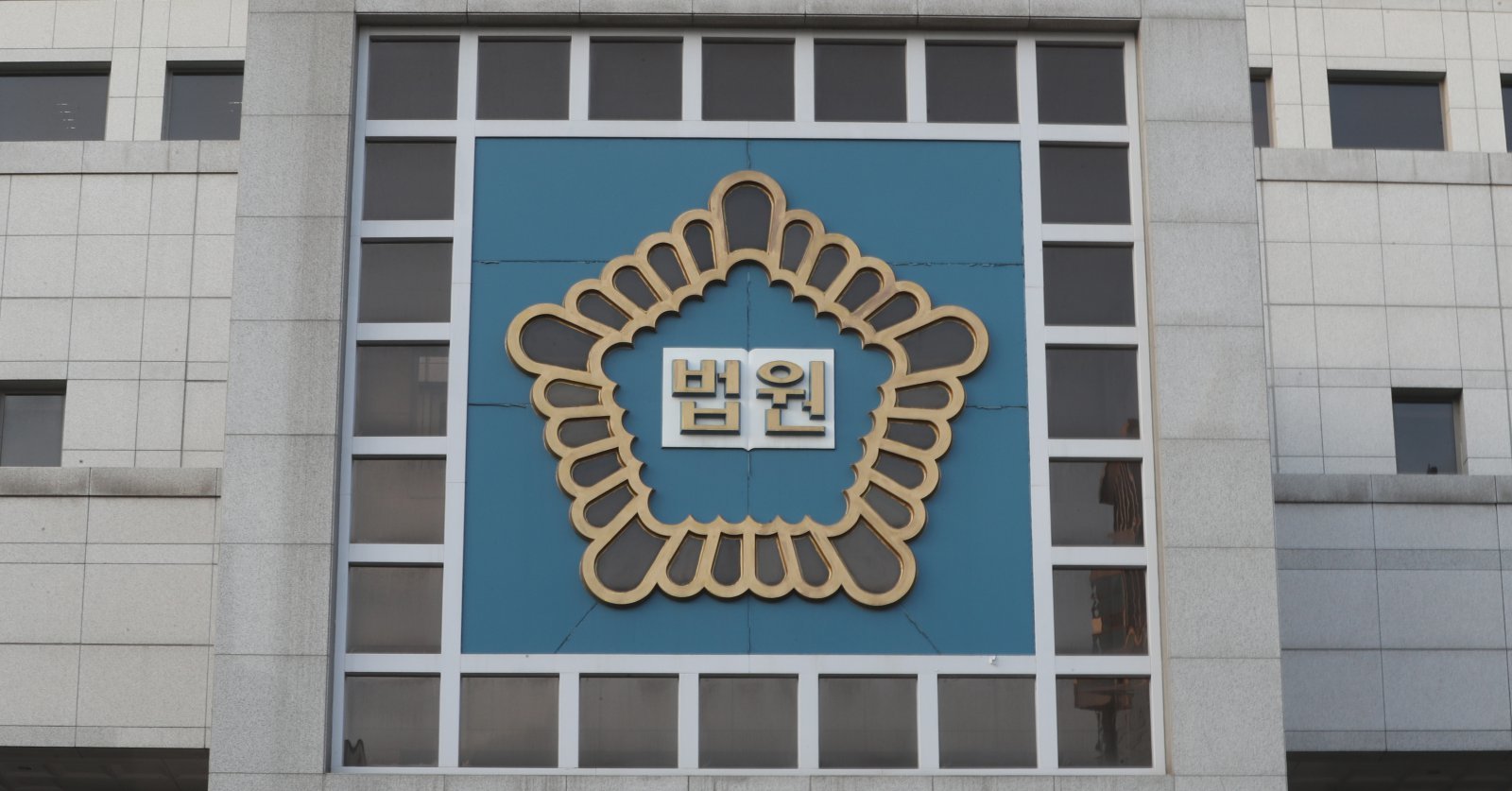
The Seoul Central District Court's Civil Appeals Division 11-2 ruled on June 15 that while the state must compensate three investigators for unpaid wages totaling between 24.63 million and 38.57 million won, it does not owe them damages for emotional suffering. This decision partially reverses the first trial's ruling, which had acknowledged both financial and emotional harm.
The investigators had sued the state for approximately 120 million won, arguing that the administration unlawfully terminated the committee's operations in September 2016. They contended that this forced closure, which resulted in their dismissal and payment only up to the termination date, illegally shortened their legally mandated term, which should have extended to May 2017. This action, they claimed, constituted an obstruction of their investigation and caused them financial loss and emotional distress.
The emotional distress claimed by the investigators, related to concerns about internal surveillance and the need for strict data security, can be seen as stemming from their duty as special civil servants to maintain the security of data, irrespective of the alleged monitoring activities.
The first court had sided with the investigators, finding the government's actions unlawful and acknowledging both financial and emotional damages. This ruling was partly based on the convictions of former Maritime Affairs and Fisheries Vice Minister Yoon Hak-bae and former Presidential Secretary for Political Affairs Cho Yoon-sun, who were found guilty of illegally ordering the monitoring of the committee's activities.
However, the appellate court disagreed on the emotional distress claim. The court stated that the investigators' concerns about internal surveillance and the need for stringent data security, which they cited as grounds for emotional harm, could be considered part of their general duty as special civil servants to protect sensitive information, regardless of the alleged monitoring activities. Regarding the Ministry of Maritime Affairs and Fisheries' withdrawal of a legal interpretation request about the committee's term, the court found that government agencies have the discretion to withdraw such requests, and the actions did not constitute an abuse of power.
The central administrative agency's decision on whether to withdraw a legal interpretation request during the enforcement of laws can be self-determined.
DistantNews Editorial
Originally published by Hankyoreh in Korean. Translated, summarized, and contextualized by our editorial team with added local perspective. Read our editorial standards.
More Stories

From Our Blog

What Gets Lost (and Found) When News Is Translated

The Critical Role of Diaspora Media in Global News

What Travellers Should Know About Countries with Restricted Press

A Digital Nomad's Guide to Following Local News

How the Same Story Looks Different in Different Countries
