



Apple Criticizes EU Over Siri AI Rollout Delays
Translated from German, summarized and contextualized by DistantNews.
At a glance
News
Named sources
Ongoing story
- Apple is frustrated by the EU's delay in approving its new AI-powered Siri, citing regulatory hurdles.
- The EU's Digital Markets Act requires Apple to open its platforms, which the company argues compromises user privacy for AI assistants.
- Apple claims the EU regulations will lead to delayed feature rollouts in Europe, while critics suggest Apple uses this argument to undermine strict EU tech rules.
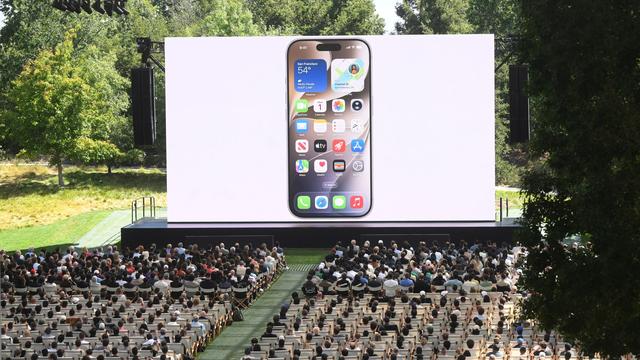
Apple expressed significant frustration over the European Union's delays in approving its newly revamped Siri, which features advanced artificial intelligence capabilities. Software chief Craig Federighi stated, "We are very frustrated," following the company's WWDC keynote in Cupertino. The core of the dispute lies in the EU Commission's demands, stemming from the Digital Markets Act, for Apple to fully open its iPhones and iPads to third-party AI assistants. This regulation aims to prevent "gatekeepers" like Apple from favoring their own services.
Apple contends that complying with these EU mandates would jeopardize user privacy, particularly concerning AI assistants. The company argues that the EU's stringent regulations will inevitably lead to delayed launches of new features and services for European users. This stance echoes previous claims by Apple that European regulations have historically caused slower rollouts of its innovations in the region.
However, critics accuse Apple of employing these arguments to foster public opposition to the EU's increasingly strict oversight of major technology firms. The company had emphasized Siri's seamless integration into users' daily lives during its demonstration, showcasing its ability to retrieve photos from vacations or recall podcast recommendations by accessing emails and text messages.
Apple aims to leverage its advantage as an integrated provider, where its AI can work more cohesively with the iPhone's operating system and other native services compared to external competitors like OpenAI, Anthropic, or Google. The company also suggests that on-device processing of AI functions could enhance data protection. The ongoing conflict with the EU Commission centers on Apple's ability to maintain control over its ecosystem while meeting regulatory requirements.
We are very frustrated.
DistantNews Editorial
Originally published by Der Spiegel in German. Translated, summarized, and contextualized by our editorial team with added local perspective. Read our editorial standards.
More Stories


From Our Blog

What Gets Lost (and Found) When News Is Translated

How the Same Story Looks Different in Different Countries

The Critical Role of Diaspora Media in Global News

What Travellers Should Know About Countries with Restricted Press

A Digital Nomad's Guide to Following Local News
