


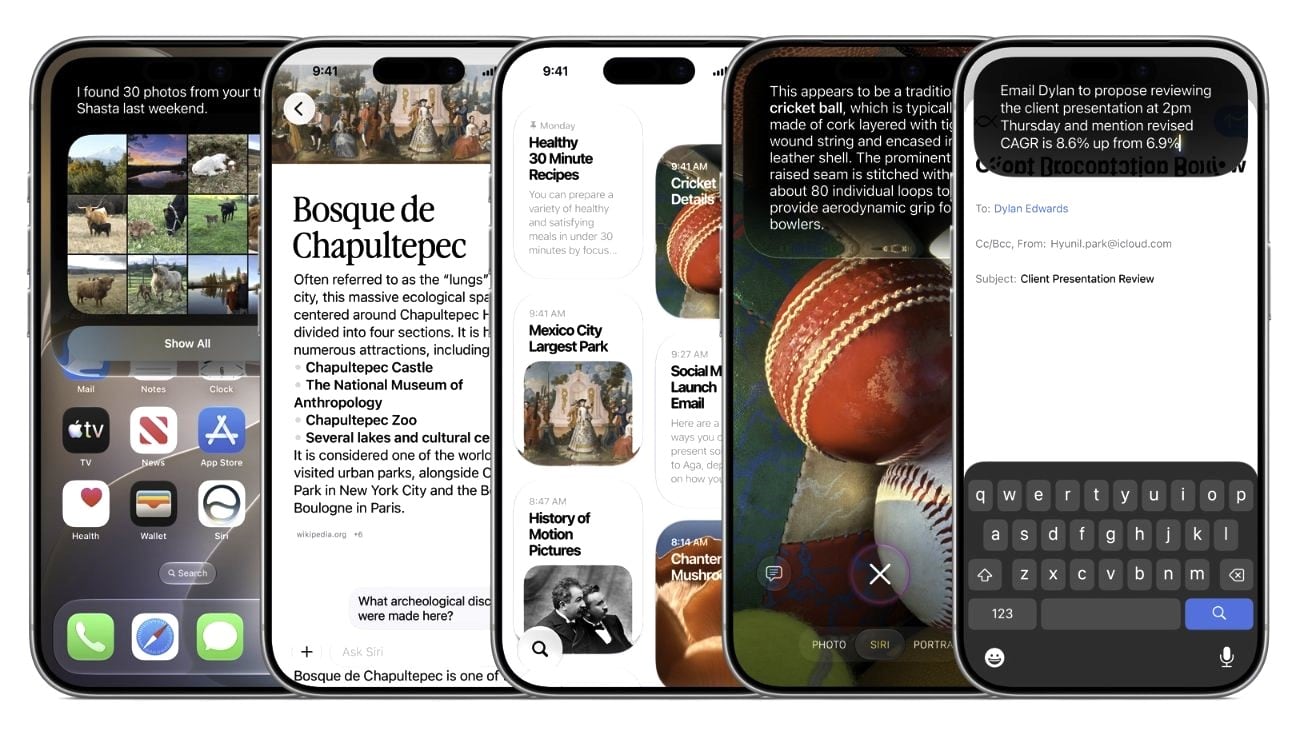
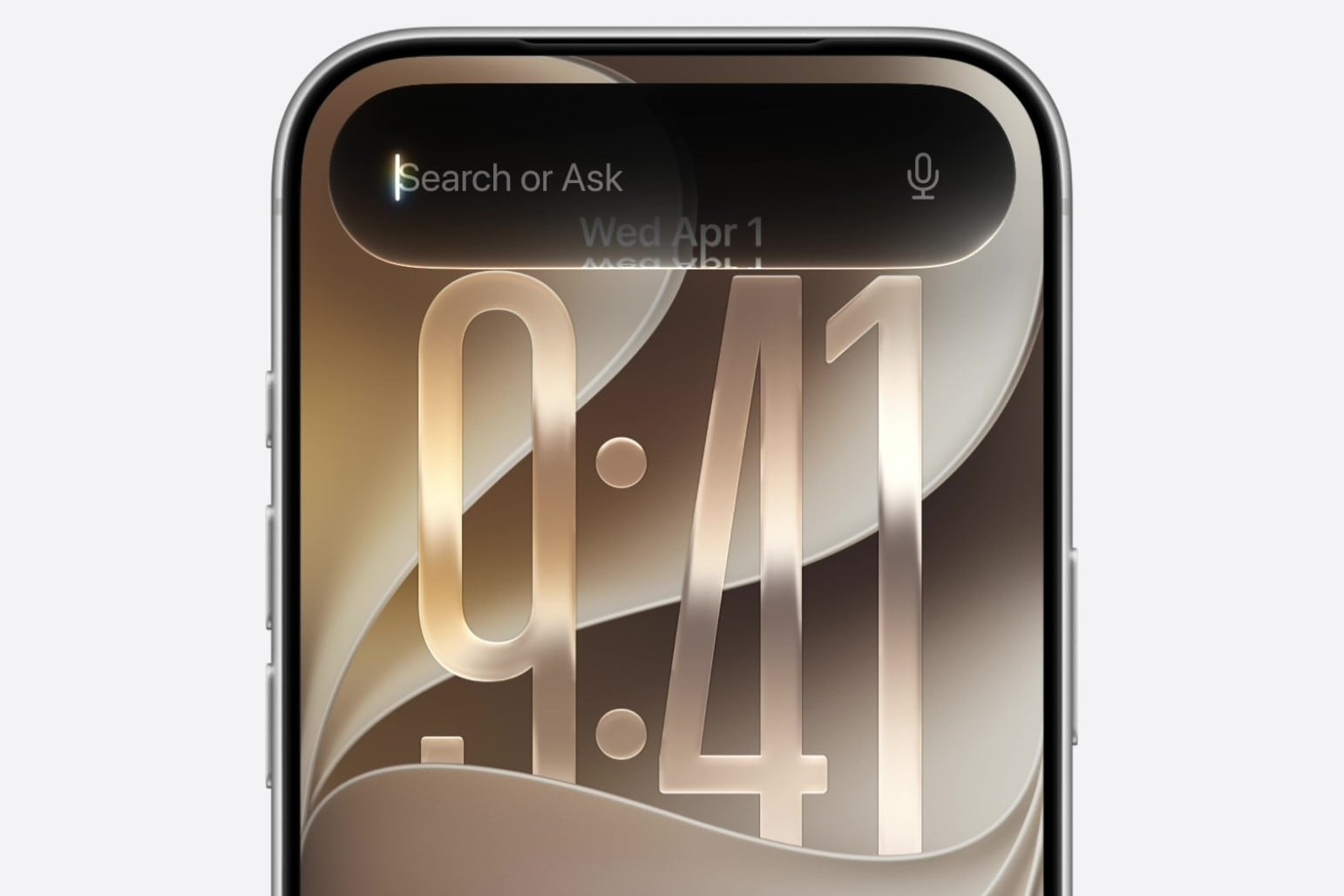
Apple, EU Trade Blame Over Delayed Siri AI Launch in Europe
Translated from Spanish, summarized and contextualized by DistantNews.
At a glance
News
Named sources
Context piece
- Apple and the European Union are blaming each other for delays in launching Siri AI in Europe.
- The EU claims Apple's decision not to launch Siri AI in the bloc is solely Apple's, stating the Digital Markets Act (DMA) does not prevent its release.
- Apple had cited the DMA's strict regulations as the reason for not including European users, arguing Brussels' interpretation would force them to grant third-party AI assistants direct access to user data without essential safeguards.
Apple and the European Union are engaged in a public dispute over the delayed rollout of Siri AI in Europe, with each side pointing fingers at the other. The EU's executive arm has refuted Apple's explanation for excluding European users from the upcoming AI assistant's launch later this year.
The decision of not launching Siri AI in the EU is Apple’s decision and Apple’s alone, because absolutely nothing in the DMA prohibits Apple from introducing new products in the EU.
Thomas Regnier, a spokesperson for the European Commission, stated that the decision to withhold Siri AI from the EU market rests entirely with Apple. He emphasized that nothing within the Digital Markets Act (DMA), a stringent EU regulation designed to curb the power of large tech companies, prohibits Apple from introducing new products in the region. Regnier clarified that Apple's assertion that the DMA prevents the launch is inaccurate.
Apple had previously blamed the DMA, a set of rules requiring major tech platforms to provide fair access to rivals, for its inability to release the enhanced AI assistant in the EU. The company argued that Brussels' "extreme interpretation" of the law would compel them to grant other AI assistants direct access to user data without adequate protections. Apple claimed their proposed gradual implementation plan and solutions were rejected by the commission.
Guess what? That is not an option, because it would mean that no AI agent other than Siri AI, which, by the way, runs on Google, would have the same chance to be picked by iPhone users.
However, Regnier presented a different account, suggesting Apple did not seek a suitable solution but rather requested an 18-month exemption from the DMA. He explained that granting such an exemption would be impossible, as it would unfairly disadvantage competing AI agents by preventing them from being chosen by iPhone users. Regnier firmly stated that the EU legislation is non-negotiable and that the commission will not grant waivers, comparing it to a police officer not exempting a driver from adhering to speed limits.
The EU legislation is non-negotiable. The commission will not grant any waivers, just like a police officer would not exempt a driver from respecting the speed limit.
DistantNews Editorial
Originally published by La Nación in Spanish. Translated, summarized, and contextualized by our editorial team with added local perspective. Read our editorial standards.
More Stories

From Our Blog

What Gets Lost (and Found) When News Is Translated

The Critical Role of Diaspora Media in Global News

What Travellers Should Know About Countries with Restricted Press

A Digital Nomad's Guide to Following Local News

How the Same Story Looks Different in Different Countries
