


Apple hikes global hardware prices citing memory cost surge
Translated from Korean, summarized and contextualized by DistantNews.
At a glance
News
Named sources
New plan
- Apple unexpectedly raised prices globally across its hardware lineup, including Macs and iPads, on June 25.
- This marks the first time Apple has simultaneously increased prices across all its global stores, sparking controversy.
- The price hikes are attributed to a significant surge in memory component costs, driven by AI demand and supply shortages.
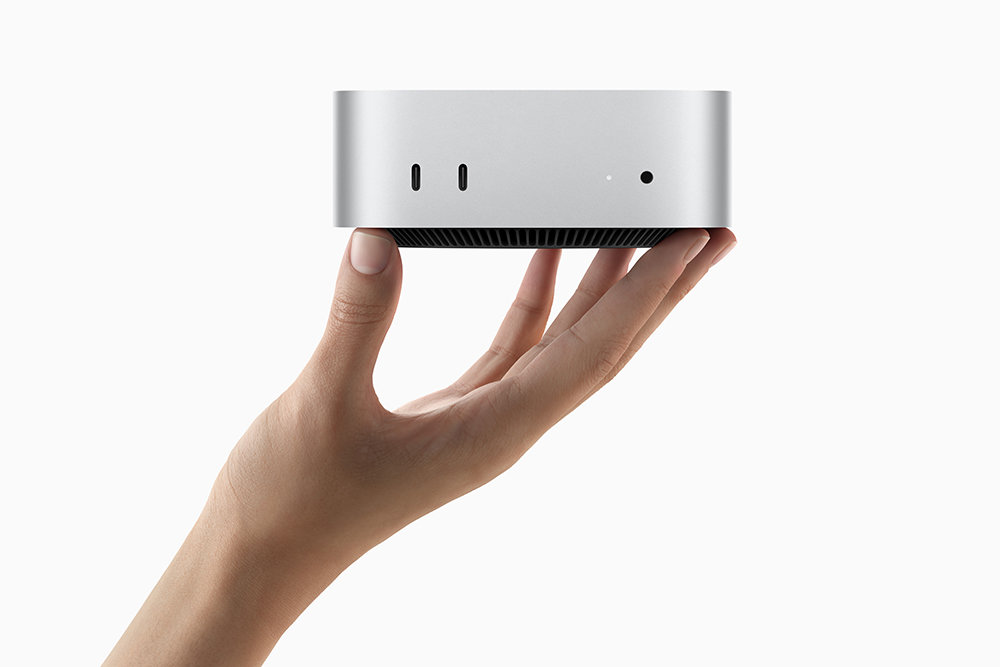
Apple implemented a surprise global price increase across its hardware products, including Macs and iPads, on June 25. This move, which saw prices rise across all its online stores simultaneously for the first time in the company's history, has generated significant controversy worldwide.
Previously, Apple typically adjusted prices only with new product releases or significant currency fluctuations in specific countries. The most affordable MacBook Air saw its price jump from 990,000 won to 1.19 million won (approximately $850 to $1,020 USD). The Apple TV's price increased by 64%, from 219,000 won to 359,000 won ($188 to $308 USD). While base model prices saw moderate increases, products with larger memory capacities experienced more substantial hikes.
Apple CEO Tim Cook had previously indicated that the company could no longer absorb the escalating costs, stating in an interview with The Wall Street Journal that "we have done our best to mitigate the massive price increases and relieve customers of the burden, but we can no longer bear it." Despite this, the unexpected nature and scale of the price adjustments led to a 6.36% drop in Apple's stock price, damaging customer trust, which had previously been bolstered by the company's price stability.
The primary driver behind these price increases is the dramatic rise in memory component costs. Market research firm Counterpoint Research forecasts the memory market to grow fourfold this year, reaching 1500 trillion won. This surge is fueled by a supply shortage, with 48% of memory shipments directed to data centers, and numerous AI companies competing to secure these components, driving up prices. Even standard DRAM prices have surpassed those of High Bandwidth Memory (HBM).
Many IT manufacturers have already raised product prices this year. For instance, a 32GB DDR5 module, which cost around 120,000 won ($103 USD) in July last year, now costs 600,000 won ($515 USD). Similarly, a 16GB DDR5 module has jumped from just over 50,000 won ($43 USD) to 300,000 won ($258 USD). Micron, a major memory manufacturer, has shifted its focus to server demand, discontinuing its consumer memory brand earlier this year. Other tech giants like Samsung and LG have also increased prices on their laptop lines, and Samsung's Galaxy S26 series saw its launch price rise by up to 410,000 won ($352 USD) after three years.
We have done our best to mitigate the massive price increases and relieve customers of the burden, but we can no longer bear it.
DistantNews Editorial
Originally published by Dong-A Ilbo in Korean. Translated, summarized, and contextualized by our editorial team with added local perspective. Read our editorial standards.
More Stories



From Our Blog

What Gets Lost (and Found) When News Is Translated

The Critical Role of Diaspora Media in Global News

What Travellers Should Know About Countries with Restricted Press

A Digital Nomad's Guide to Following Local News

How the Same Story Looks Different in Different Countries
