

Arabs rapidly building new oil pipelines; no one intends to rely on Hormuz anymore
Translated from Czech, summarized and contextualized by DistantNews.
At a glance
News
Sources not specified
Context piece
- The article discusses the construction of new oil pipelines in Arab countries.
- It suggests a reduced reliance on the Strait of Hormuz for oil transport.
- The content appears to be behind a paywall or requires user consent for personalized advertising.
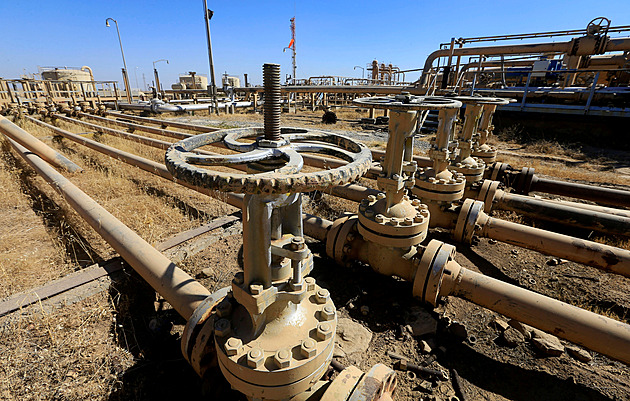
Arab nations are reportedly constructing new oil pipelines, signaling a potential shift away from traditional shipping routes like the Strait of Hormuz. This development suggests a strategic move to diversify oil transportation methods and potentially reduce dependence on the narrow, strategically vital waterway.
The article, sourced from iDNES (CZ), indicates that the construction of these pipelines is a significant undertaking by Arab countries. While the specifics of the pipeline projects are not detailed in the provided text, the implication is that they aim to provide alternative export routes for oil.
The Strait of Hormuz, a critical chokepoint for global oil supply, has long been a focus of geopolitical attention. Any move to bypass or reduce reliance on this strait could have implications for global energy markets and international relations.
However, the full content of the article is not accessible without further user interaction. The provided text consists primarily of a notice regarding advertising preferences and subscription options for the iDNES website. Users are prompted to choose between a premium ad-free experience or a free version with targeted advertising, which requires consent for data processing.
DistantNews Editorial
Originally published by iDNES in Czech. Translated, summarized, and contextualized by our editorial team with added local perspective. Read our editorial standards.
More Stories



From Our Blog

What Gets Lost (and Found) When News Is Translated

The Critical Role of Diaspora Media in Global News

What Travellers Should Know About Countries with Restricted Press

A Digital Nomad's Guide to Following Local News

How the Same Story Looks Different in Different Countries
