

Are 'Modern Warlords' Ruling the World?
Translated from Croatian, summarized and contextualized by DistantNews.
At a glance
Analysis
Named sources
Context piece
- A new report suggests a return of "warlords" in the 21st century, undermining international law and order.
- Figures like Putin, Trump, and Netanyahu are cited as examples of leaders who prioritize military force for their interests, disregarding international norms.
- The report warns that reduced development aid and humanitarian assistance exacerbate crises, leading to increased hunger, disease, and conflict.
The "Peace Report 2026" warns of a resurgence of "warlords" in the 21st century, a term previously associated with conflicts in Liberia, Afghanistan, and Somalia during the 1990s. These actors, driven by self-interest, are seen as contributing to the disintegration of state structures and challenging the international order.
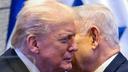
Conrad Schetter of the Bonn International Center for Conversion (bicc) identified leaders such as Russian President Vladimir Putin, former U.S. President Donald Trump, and Israeli Prime Minister Benjamin Netanyahu as examples. He criticized their tendency to use military force as their primary tool for achieving interests, often disregarding international law. Ursula Schröder from the Institute for Peace and Security Policy at the University of Hamburg noted similar patterns among these leaders, stating, "We don't want to equate them all, but we observe the same patterns."
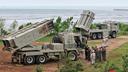
The report highlights the use of violence as a "normal means of politics," aimed at limiting the "political sovereignty of other states." This is often driven by profit and power expansion interests, extending to some Gulf monarchies like Saudi Arabia, Qatar, and the United Arab Emirates, which are involved in civil wars from Libya to Somalia to pursue geopolitical, strategic, or economic goals.
Nicole Deitelhoff of the Leibniz Institute for Peace and Conflict Research in Frankfurt warns that these "new warlords" are undermining the international order, particularly threatening the United Nations. She calls for greater engagement from Germany and Europe to find partners in preserving the rule-based international order.
Furthermore, the report criticizes austerity measures in development cooperation and humanitarian aid, arguing that reducing these funds intensifies crisis dynamics. The consequences include increased food shortages leading to hunger, the spread of infectious diseases like Ebola, and a rise in crime and armed conflicts. The experts emphasize that reduced aid goes hand-in-hand with more hunger, disease, and crime.
One sudjeluju u brojnim građanskim ratovima, od Libije do Somalije
DistantNews Editorial
Originally published by Večernji List in Croatian. Translated, summarized, and contextualized by our editorial team with added local perspective. Read our editorial standards.
More Stories


From Our Blog

What Gets Lost (and Found) When News Is Translated

The Critical Role of Diaspora Media in Global News

What Travellers Should Know About Countries with Restricted Press

A Digital Nomad's Guide to Following Local News

How the Same Story Looks Different in Different Countries
