

Are online fandoms really that toxic? Fans say it's more complicated than that
Summarized and contextualized by DistantNews.
At a glance
News
Named sources
Context piece
- Many fans argue that the "toxic" label applied to fandoms is an oversimplification and often unfair.
- Fan behavior is shaped by factors like competition, social media dynamics, and internet culture, not just inherent toxicity.
- While negative behaviors like fan wars and harassment exist, fans emphasize that fandom can also be a positive force.
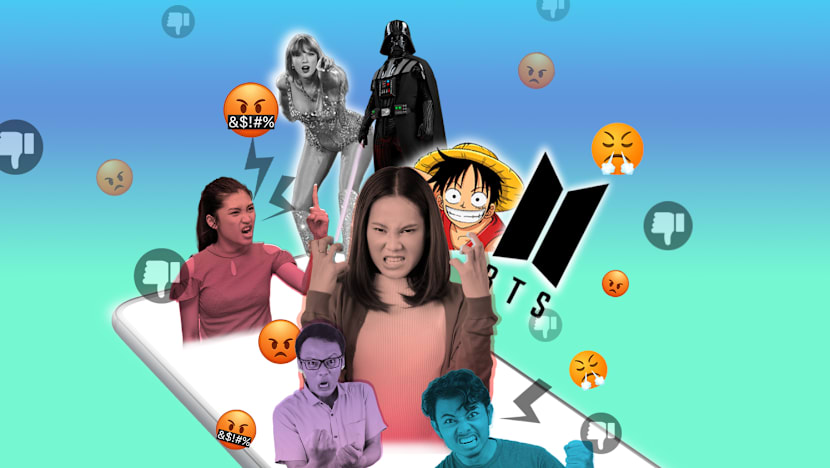
The intense loyalty seen in fandoms, from Taylor Swift's Swifties to BTS's ARMY, often leads to public perception of toxicity, characterized by fan wars, review bombing, and harassment. However, fans themselves argue that this label is an oversimplification and fails to capture the complexity of these communities.
But it depends on what kinds of meanings you attach to the word 'fan'. The way some people use the word makes it sound like, at least implicitly, fans are kind of useless people or that they don't have brains
Associate Professor Patrick Williams from Nanyang Technological University notes that fans are often stereotyped as obsessive or irrational. He suggests that the meaning attached to the word "fan" can implicitly devalue individuals, implying they are "useless people or that they don't have brains." Williams posits that being a fan of something "good" can be positive, just as being a fan of something "bad" can be negative, with "good" and "bad" being socially defined.
Fans interviewed by CNA Lifestyle, including members of K-pop, gaming, and anime fandoms, a BTS ARMY organizer, a Swiftie, and a fan involved in rivalries, largely agreed that toxicity is not an inherent feature of fandom. Instead, they attribute such behaviors to a combination of factors: the subject matter of the fandom, how participation is encouraged, and the platforms where these communities interact.
But being a fan of something good can be a good thing, just like becoming a fan of something bad can become a bad thing. Good and bad aren't objectively real, however. They're defined by social groups.
These factors include the competitive nature of online spaces, the amplification effects of social media algorithms, and the broader norms of internet culture. While acknowledging that negative behaviors like harassing critics or engaging in "review bombing" do occur and have generated negative headlines, fans contend that these actions do not represent the entirety of fandom experiences. They argue that the narrative often focuses on the most extreme examples, overshadowing the positive aspects of community building, shared passion, and mutual support that also define many fandoms.
Toxicity isn't an inherent feature of fandom. Instead, they said it emerges from a combination of factors: What the fandom is built around, how fans are encouraged to participate, and the online platforms where those communities gather.
DistantNews Editorial
Originally published by CNA. Summarized and contextualized by our editorial team with added local perspective. Read our editorial standards.
More Stories



From Our Blog

What Gets Lost (and Found) When News Is Translated

The Critical Role of Diaspora Media in Global News

What Travellers Should Know About Countries with Restricted Press

A Digital Nomad's Guide to Following Local News

How the Same Story Looks Different in Different Countries
