

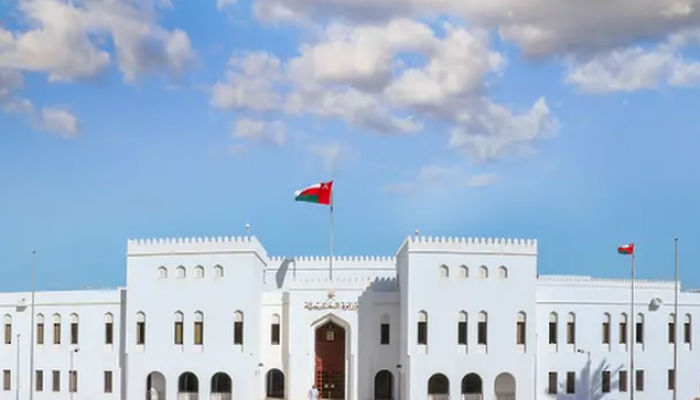

Are US Military Bases in West Asia Becoming a Strategic Liability?
Summarized and contextualized by DistantNews.
At a glance
Analysis
Sources not specified
Context piece
- US military bases in West Asia are evolving from strategic installations to potential liabilities.
- These bases, once intended to protect US interests, now face increased risks and may no longer serve their original purpose.
- The article questions the continued strategic value of these bases in the current geopolitical climate.
US military bases in West Asia, originally established to safeguard American strategic interests, are increasingly viewed as potential liabilities rather than assets. Over time, their role has shifted, transforming them from protective installations into targets that could compromise regional stability and US security.
The article suggests that these bases may no longer fulfill their intended strategic purpose. Their presence in a volatile region exposes them to various threats, potentially making them a drain on resources and a point of vulnerability. The evolving geopolitical landscape raises questions about the continued efficacy and necessity of maintaining such a significant military footprint.
This shift in perspective prompts a critical re-evaluation of the long-term viability and strategic advantage of these bases. The piece implies that a reassessment of US military posture in West Asia is warranted, considering the changing dynamics and potential risks associated with these enduring installations.
DistantNews Editorial
Originally published by Times of Oman. Summarized and contextualized by our editorial team with added local perspective. Read our editorial standards.
More Stories

From Our Blog

What Gets Lost (and Found) When News Is Translated

The Critical Role of Diaspora Media in Global News

What Travellers Should Know About Countries with Restricted Press

A Digital Nomad's Guide to Following Local News

How the Same Story Looks Different in Different Countries
