


Argentina cuts export taxes on fertilizers, eyeing Vaca Muerta's potential
Translated from Spanish, summarized and contextualized by DistantNews.
At a glance
News
Sources not specified
New plan
- Argentina has eliminated export taxes on key fertilizer products, including urea, to boost local production and potentially leverage resources from Vaca Muerta.
- The move aims to reduce reliance on imports for domestic demand, though immediate impact is seen as limited due to current import levels.
- The government's decree outlines immediate elimination for some products and a gradual reduction for others, with full elimination by June 2027.
Argentina has eliminated export taxes on crucial fertilizer products, signaling a strategic move to bolster domestic production, particularly leveraging resources from the Vaca Muerta region.
The government's decision, formalized through Decree 566/2026, removes export duties on products like urea, the most consumed fertilizer in the country, as well as UAN, ammonium sulfate, and calcium ammonium nitrate. This aims to reduce Argentina's significant dependence on imports for its agricultural sector. While the immediate impact on export volumes is expected to be modest, the industry views this as a vital step towards realizing potential investments in expanding local urea production.
For a more limited group of fertilizers, including animal or plant-based fertilizers and certain phosphate fertilizers like MAP, a gradual reduction schedule has been implemented. These products will see their export taxes decrease monthly, eventually reaching zero by June 1, 2027. This phased approach acknowledges the current market dynamics and allows for a smoother transition.
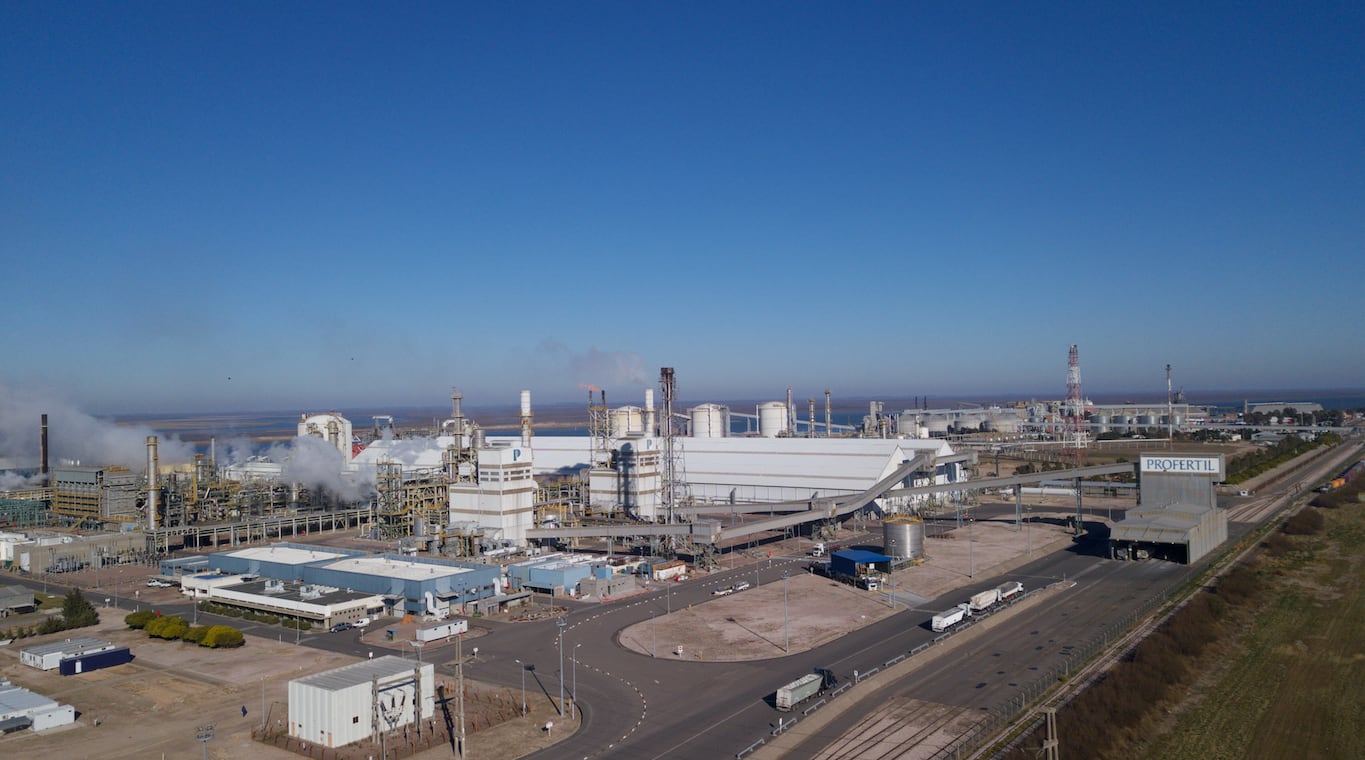
Industry data from 2025 reveals that Argentina's agricultural sector consumed over 5.1 million tons of fertilizers, with imports accounting for nearly 3.8 million tons and local production at approximately 1.6 million tons. Exports were minimal, totaling just over 107,000 tons, primarily of phosphate fertilizers. Profertil, a major urea producer, is reportedly considering an expansion project, highlighting the potential for growth in the sector.
DistantNews Editorial
Originally published by La Nación in Spanish. Translated, summarized, and contextualized by our editorial team with added local perspective. Read our editorial standards.
More Stories


From Our Blog

What Gets Lost (and Found) When News Is Translated

The Critical Role of Diaspora Media in Global News

What Travellers Should Know About Countries with Restricted Press

A Digital Nomad's Guide to Following Local News

How the Same Story Looks Different in Different Countries
