


Argentina's Central Bank sees overdue loans recede amid credit expansion
Translated from Spanish, summarized and contextualized by DistantNews.
At a glance
News
Named sources
Context piece
- Argentina's banking sector is seeing a decline in overdue loans after reaching historic highs.
- The Central Bank links this trend to increased private credit, lower inflation, and banks shifting focus from state to private lending.
- The bank's foreign reserve purchases and treasury refinancing are key priorities for the year, with a goal of reaching $10 billion in reserves.
Argentina's banking sector is experiencing a welcome shift as overdue loans, or "mora bancaria," begin to recede from historic peaks. The Central Bank of Argentina (BCRA) attributes this turnaround to a confluence of factors: a new cycle of credit expansion in pesos, a notable decrease in inflation, and a strategic pivot by banks away from lending to the state and towards the private sector.
The new cycle of credit expansion to the private sector is more selective, healthy, and sustainable. It will be based on the learning of debtors and creditors who are adapting their behavior to a low inflation regime, where debts are not diluted, where credit history now matters to define the subject and the financial cost.
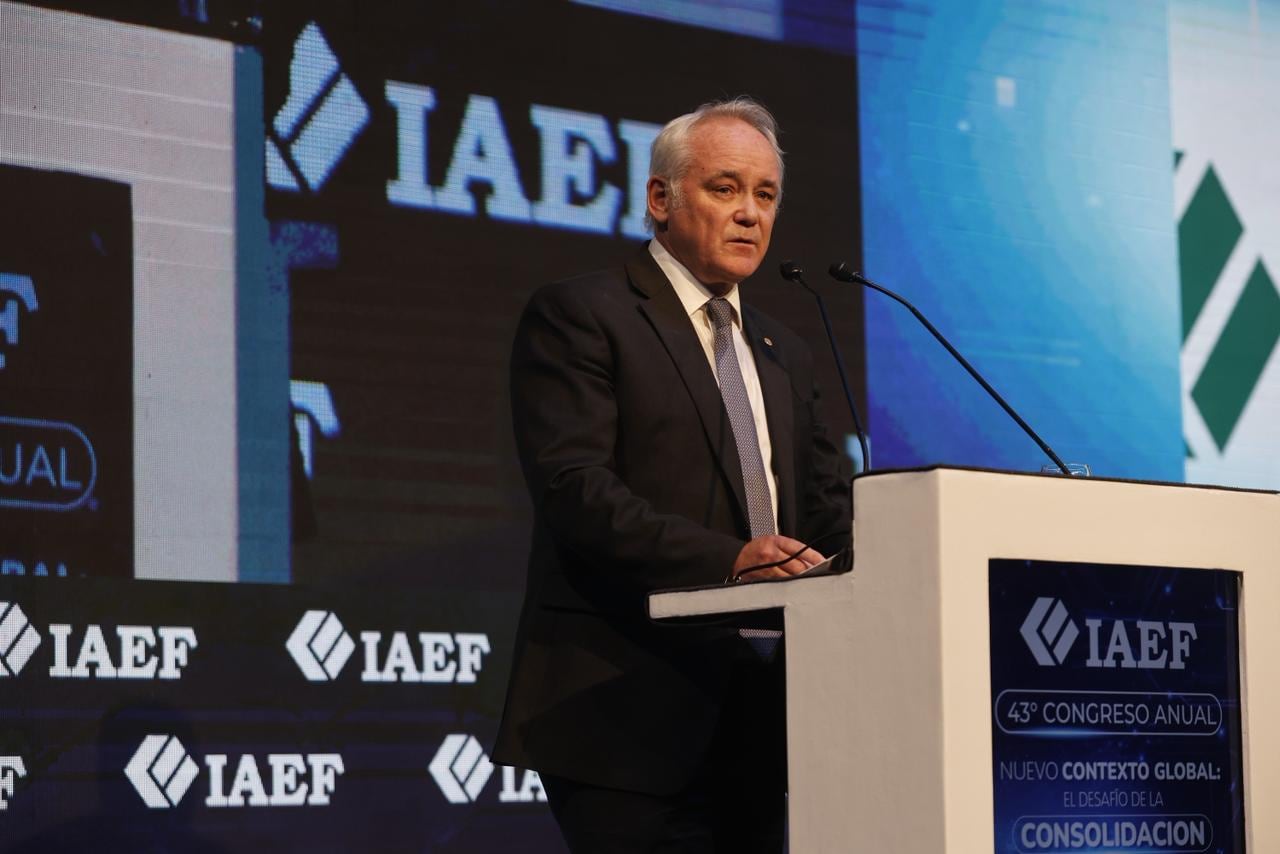
Vladimir Werning, the BCRA's vice president, highlighted this change during the 43rd Annual Congress of the Argentine Institute of Financial Executives (IAEF). He described the renewed credit expansion as more "selective, healthy, and sustainable." Werning emphasized that both borrowers and lenders are adapting to an environment of lower inflation, where credit history and financial costs are now critical determinants, rather than debts being devalued by price increases.
Key priorities for the BCRA this year include its foreign reserve accumulation strategy and treasury refinancing. The bank has already purchased over $9.8 billion in foreign currency, nearing its $10 billion target for 2025. Werning noted the effectiveness of the current floating exchange rate regime as a buffer against economic shocks and pointed to stable exchange rates and falling domestic interest rates as favorable conditions for reserve acquisition. He also mentioned the upcoming availability of approximately $8 billion in pending swap payments received by the current administration in late 2023.
The floating regime has already demonstrated its virtue as a buffer for shocks, both domestic and external. Today the exchange rate is stable, while the purchase of international reserves occurs in a favorable context of falling domestic interest rates.
Werning expressed optimism about Argentina's economic trajectory, citing a fiscal surplus, stable external financing driven by foreign direct investment, and the promotion of domestic savings and capital repatriation. He concluded that these structural changes are leading to a future where the peso, not the dollar, will become the scarce currency, a reversal of previous dynamics.
This combination of structural changes allows us to observe what we anticipated in practice in December 2023: that the scarce currency in the future would be the peso, not the dollar.
DistantNews Editorial
Originally published by La Nación in Spanish. Translated, summarized, and contextualized by our editorial team with added local perspective. Read our editorial standards.
More Stories


From Our Blog

What Gets Lost (and Found) When News Is Translated

The Critical Role of Diaspora Media in Global News

What Travellers Should Know About Countries with Restricted Press

A Digital Nomad's Guide to Following Local News

How the Same Story Looks Different in Different Countries
