


Argentina's economic growth hinges on four key pillars amid political debate
Translated from Spanish, summarized and contextualized by DistantNews.
At a glance
Analysis
Named sources
Context piece
- Argentina's economic growth is projected at 3.6% for this year, with exports expected to reach $100 billion in 2026 and $150 billion by 2030.
- The government highlights improved investment climate due to fiscal balance and credible discourse, benefiting sectors like agriculture, hydrocarbons, and mining.
- Critics, associated with Kirchnerism, argue that current economic policies favor large capital and exploit resources, contrasting with past state-led inclusion efforts.
Argentina is poised for significant economic growth, with projections indicating a 3.6% expansion this year and a continued upward trend to 3.7% next year, according to the World Bank. This economic resurgence is underpinned by a projected surge in exports, which are expected to approach $100 billion in 2026 and potentially reach $150 billion by 2030, ensuring a sustained and diversified inflow of dollars.
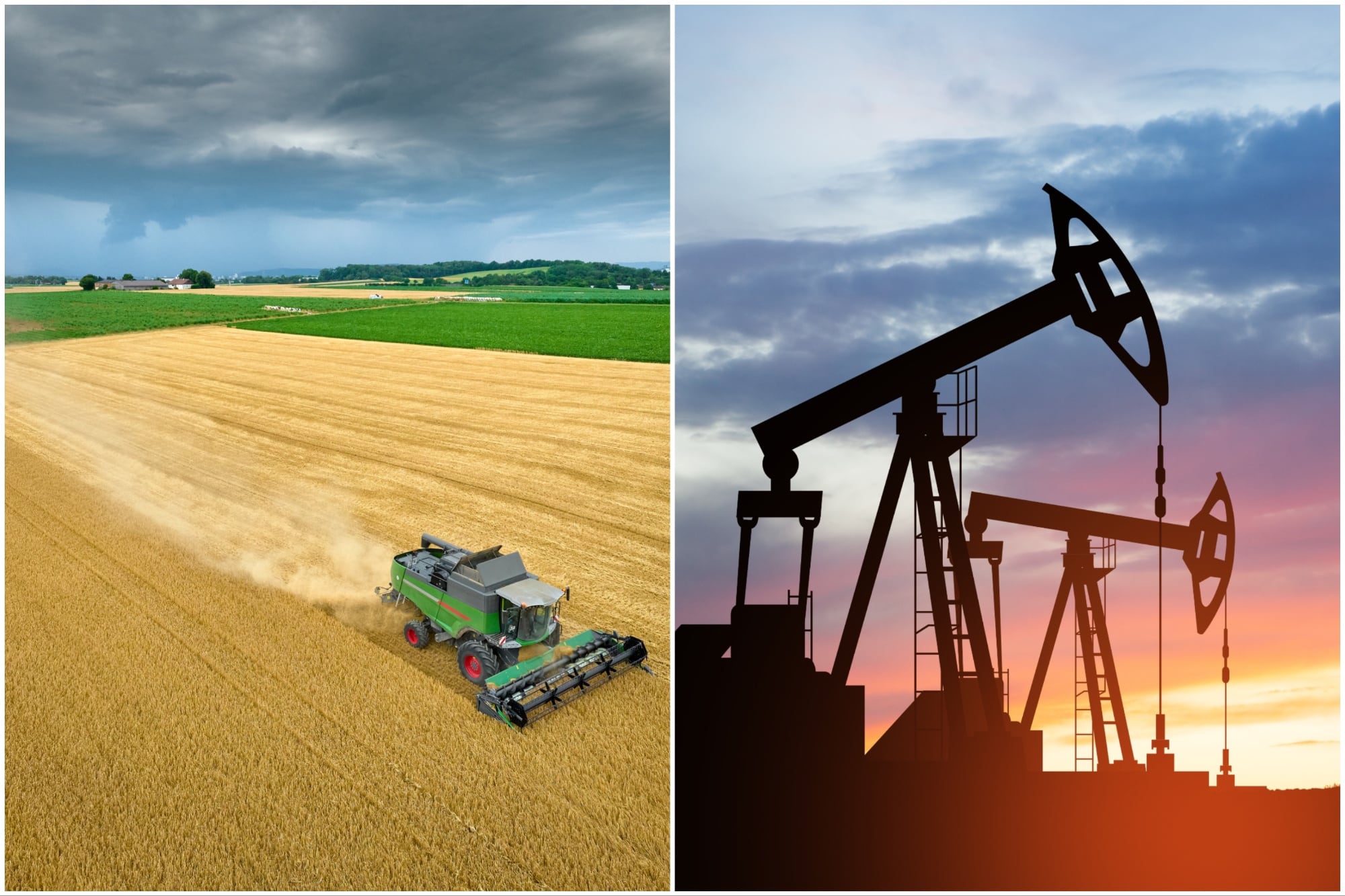
The current administration attributes this favorable economic climate to a focus on fiscal balance, a credible discourse, and supportive investment regimes like the RIGI. These factors have attracted unprecedented investments in key sectors where Argentina holds significant competitive advantages: agriculture, hydrocarbons, mining, and the knowledge economy. These pillars are considered critical for the nation's development, especially in the current global context where food and energy security are paramount.
However, this economic strategy faces criticism from factions aligned with Kirchnerism. They argue that the previous government's approach, characterized by extensive state intervention and social spending, was designed to benefit the majority and address market inequities. They view the current focus on specific sectors as favoring a select few and potentially leading to resource exploitation, citing concerns about agrochemicals, water contamination, and the impact on local communities.
These critics contend that the current policies, particularly the RIGI, create new privileges for large corporations, enabling them to extract wealth at the expense of environmental and social well-being. They draw parallels to past economic models, such as the one in Tierra del Fuego, which they claim prioritized imports over genuine export promotion. The Kirchnerist movement seeks to reframe the narrative, suggesting that the current development model might lead to a "country for a few," a stark contrast to their vision of an inclusive economy.
DistantNews Editorial
Originally published by La Nación in Spanish. Translated, summarized, and contextualized by our editorial team with added local perspective. Read our editorial standards.
More Stories



From Our Blog

What Gets Lost (and Found) When News Is Translated

The Critical Role of Diaspora Media in Global News

What Travellers Should Know About Countries with Restricted Press

A Digital Nomad's Guide to Following Local News

How the Same Story Looks Different in Different Countries
