

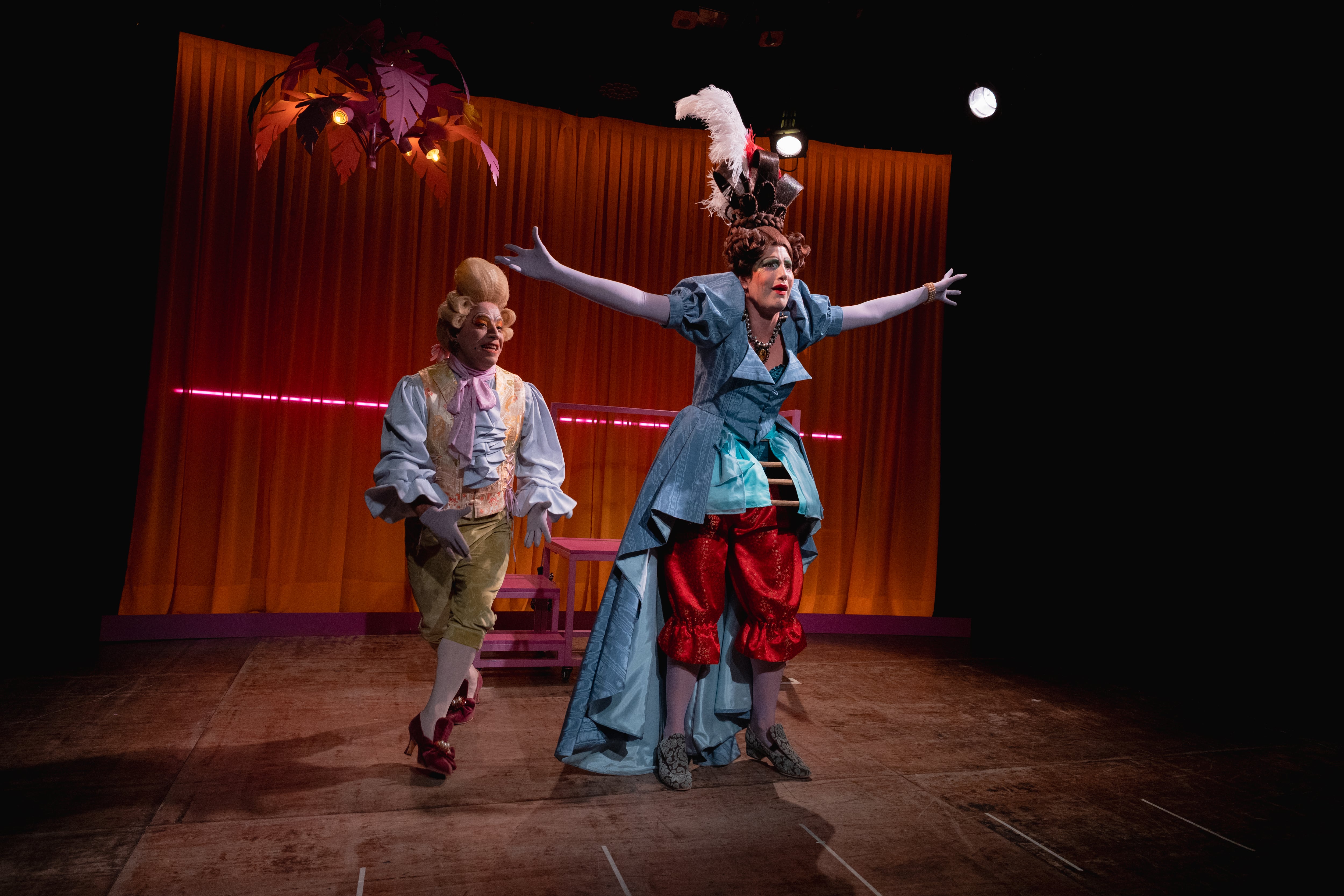

Argentine art scene unites through collaborative 'Nodo' program
Translated from Spanish, summarized and contextualized by DistantNews.
At a glance
News
Named sources
Context piece
- Argentina's contemporary art scene is fostering collaboration through the 'Nodo' program and gallery initiatives.
- The fifth edition of Nodo, organized by Meridiano, aims to promote Argentine contemporary art and build interdisciplinary networks.
- Galleries are joining forces, hosting colleagues from different provinces and even internationally, to attract new audiences through combined art, design, and gastronomy events.
A spirit of collaboration is revitalizing Argentina's contemporary art scene, with initiatives like 'Nodo' fostering a virtuous cycle of creativity and connection. The upcoming fifth edition of Nodo, a free program dedicated to promoting Argentine contemporary art, coincides with the tenth anniversary of its organizer, Meridiano.
Nodo is a concept very aligned with the spirit of Meridiano, which is collaborative and based on integration. Argentina needs to unite.
This year's event, held outdoors in Buenos Aires' Retiro district, will also mark the inauguration of Pasto, a new gallery space. Its organizers aim to unite forces with the ground floor venue, Comité 357, to attract diverse audiences by integrating art, design, and gastronomy. This collaborative approach reflects a growing national trend toward building interdisciplinary networks.
"Nodo is a concept very aligned with the spirit of Meridiano, which is collaborative and based on integration. Argentina needs to unite," stated Julián Mizrahi, co-director of the Buenos Aires gallery Del Infinito. He highlighted that the program, running from Thursday to Saturday, will extend beyond the capital, with an edition planned for Neuquén in mid-November.
We have a lot of space and wanted to be hosts.
Galleries are actively participating, with some dedicating significant space to host artists from other provinces. Nora Fisch, director of her eponymous gallery, plans to showcase three artists from Remota (Salta) and will even feature a conceptual artist "invented" by two other artists. This expansive approach will see a dozen of the 67 participating spaces hosting colleagues from various regions, demonstrating a strong commitment to national artistic integration.
Alicia Mihai Gazcué was invented by Ana Tiscornia and Liliana Porter –explains–, in complicity with curators like Inés Katzenstein and Cuauhtémoc Medina.
DistantNews Editorial
Originally published by La Nación in Spanish. Translated, summarized, and contextualized by our editorial team with added local perspective. Read our editorial standards.
More Stories


From Our Blog

What Gets Lost (and Found) When News Is Translated

The Critical Role of Diaspora Media in Global News

What Travellers Should Know About Countries with Restricted Press

A Digital Nomad's Guide to Following Local News

How the Same Story Looks Different in Different Countries
