


Argentine Government Establishes New Political Structure Post-Adorni Exit
Translated from Spanish, summarized and contextualized by DistantNews.
At a glance
News
Sources not specified
New plan
- The Argentine government held its first political meeting since Manuel Adorni's departure, with Diego Santilli now coordinating ministers.
- Key legislative priorities include the "Fiscal Innocence II" project and potential reforms to the PASO primary elections.
- Other proposed reforms involve the Central Bank's organic charter and a U.S.-style shutdown mechanism for government spending.
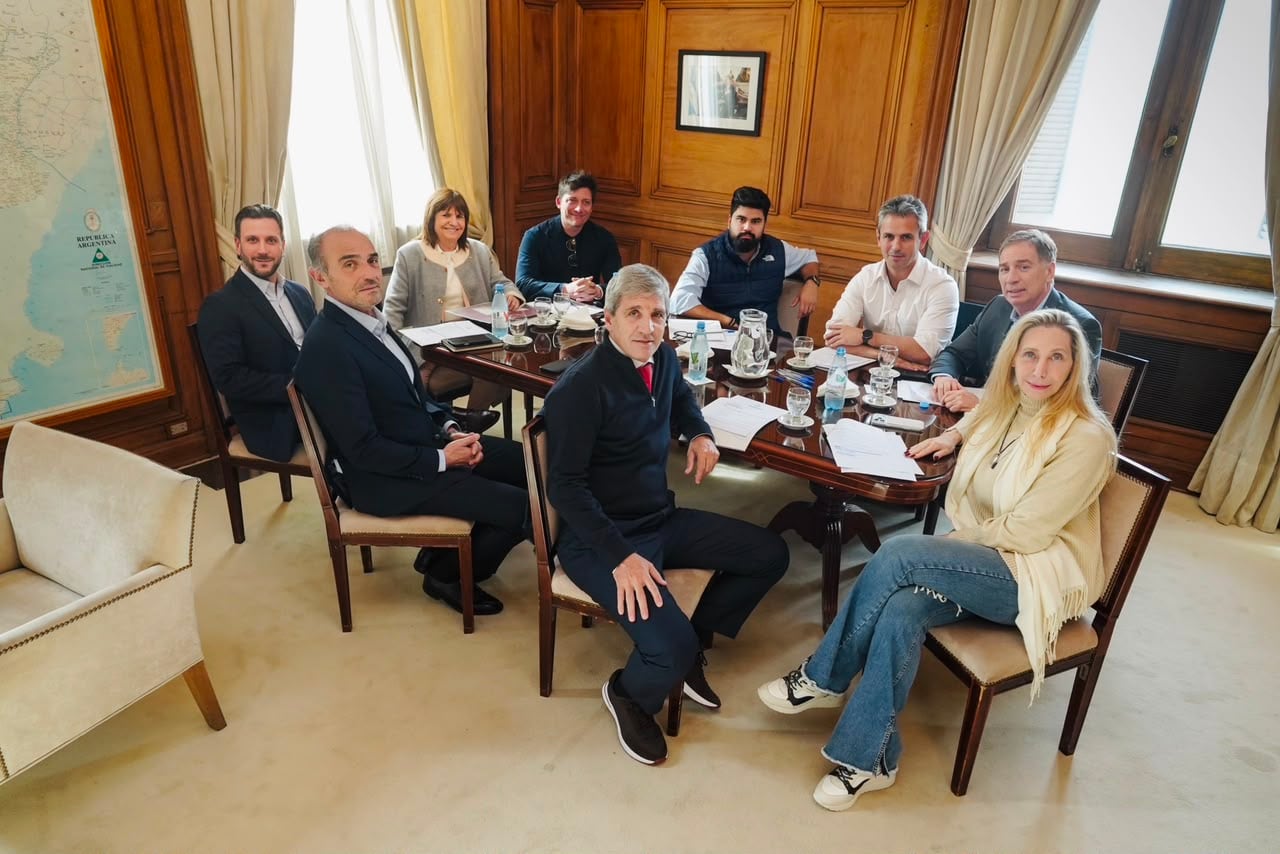
Argentina's government convened its political inner circle for the first time since the departure of Manuel Adorni, establishing a new structure with Diego Santilli taking on the role of coordinating ministers. This meeting, previously used to affirm Adorni's position as chief of staff amid scandal, now serves to outline the revised distribution of responsibilities.
Santilli was joined by his deputy Ignacio Devitt, who was already part of the libertarian political table. Gustavo Coria, another deputy chief from the Interior ministry, was absent. Fabián Fernández, the Secretary of Media, attended, but spokesperson Adrián Ravier did not. The regular attendees included Secretary General Karina Milei, strategist Santiago Caputo, Economy Minister Luis Caputo, Senator Patricia Bullrich, Speaker of the Chamber of Deputies Martín Menem, and Institutional Management Undersecretary Eduardo “Lule” Menem.
A primary focus of the meeting was the legislative agenda, with the "Fiscal Innocence II" project identified as a top priority. This initiative aims to allow large taxpayers to join the regime. Once finalized by the Presidency, the project will be sent to Congress, possibly next week.
The government also faces the significant challenge of annulling the PASO (Primaries, Open, Simultaneous, and Mandatory) elections. While the Casa Rosada seeks outright elimination, they lack the necessary votes and may pursue suspension instead. President Javier Milei also raised the prospect of reforming the Central Bank's organic charter and introducing a U.S.-style "shutdown" mechanism. This mechanism would halt state spending when allocated funds are exhausted, pending the approval of a new budget. Federico Sturzenegger, the Minister of Deregulation, who had met with the President the previous day to review this reform package, also visited the Casa Rosada but did not participate in the political table meeting.
DistantNews Editorial
Originally published by La Nación in Spanish. Translated, summarized, and contextualized by our editorial team with added local perspective. Read our editorial standards.
More Stories

From Our Blog

What Gets Lost (and Found) When News Is Translated

The Critical Role of Diaspora Media in Global News

What Travellers Should Know About Countries with Restricted Press

A Digital Nomad's Guide to Following Local News

How the Same Story Looks Different in Different Countries
