


Argentine mental health approach expands to Europe
Translated from Spanish, summarized and contextualized by DistantNews.
At a glance
In-depth
Named sources
Context piece
- An international psychoanalysis congress began in Buenos Aires, focusing on a multifamilial therapeutic approach developed in Argentina over 50 years ago.
- The event, organized by Centro Ditem and Fundación María Elisa Mitre, brings together professionals to discuss interventions in multifamilial group therapy.
- This approach, pioneered by Jorge García Badaracco, analyzes psychological suffering through family interdependencies and group dynamics, complementing individual therapy.
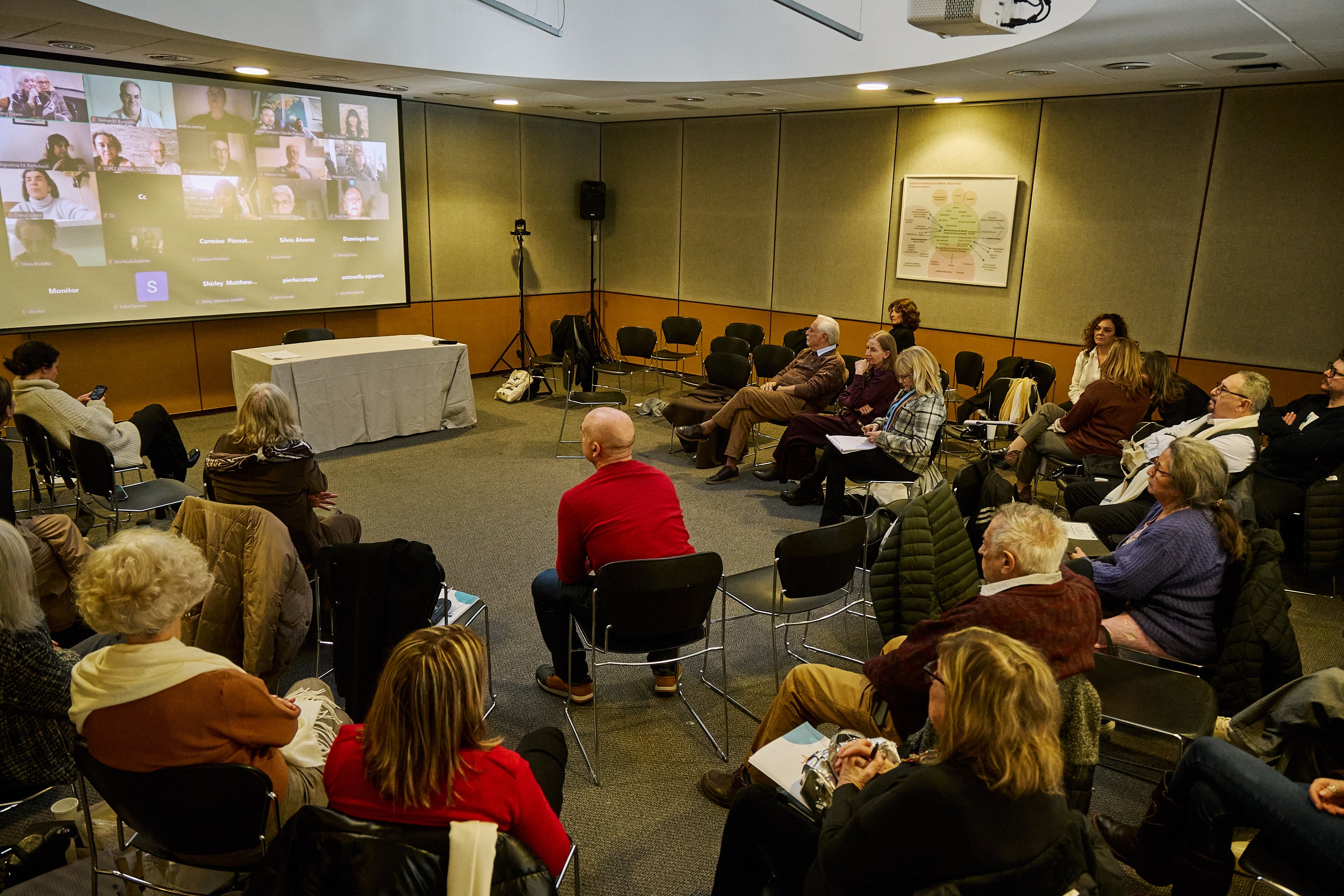
A groundbreaking multifamilial psychoanalysis approach, born in Argentina over five decades ago, is gaining international traction and was the focus of a congress in Buenos Aires. The event drew specialists from Argentina, Italy, Spain, Portugal, and Belgium to discuss advancements in this therapeutic model.
Organized by Centro Ditem, Fundación María Elisa Mitre, and other psychoanalytic institutions, the congress delves into effective interventions within multifamilial group therapy. Sessions are held both in person in Palermo and virtually, allowing global participation. María Elisa Mitre, director of Centro Ditem, highlighted the ongoing interest in this unique therapeutic device.
The group work allows for emotional resonances to emerge that are difficult to achieve in other spaces.
The origins of multifamilial psychoanalysis trace back to psychiatrist Jorge García Badaracco. He challenged the purely individualistic view of psychological suffering, proposing instead that it must be understood within the context of family relationships and interdependencies. This perspective led to therapeutic groups involving patients, families, therapists, and other interested individuals.
Alberto Jones, co-director of BabelPsi, explained that the group setting fosters emotional resonance, allowing participants to connect with their own experiences through shared stories and others' interventions. This dynamic can reveal aspects of the self that might remain hidden in individual therapy. Proponents emphasize that multifamilial therapy complements, rather than replaces, individual treatment, enriching the therapeutic process.
It is extraord
DistantNews Editorial
Originally published by La Nación in Spanish. Translated, summarized, and contextualized by our editorial team with added local perspective. Read our editorial standards.
More Stories

From Our Blog

What Gets Lost (and Found) When News Is Translated

The Critical Role of Diaspora Media in Global News

What Travellers Should Know About Countries with Restricted Press

A Digital Nomad's Guide to Following Local News

How the Same Story Looks Different in Different Countries
