


Argentine UCR faction demands bloc unity, opposes PASO elimination
Translated from Spanish, summarized and contextualized by DistantNews.
At a glance
News
Named sources
Context piece
- A faction within Argentina's Radical Civic Union (UCR) is urging party leaders to unify legislative blocs and oppose the elimination of primary elections (PASO).
- These leaders diagnose the UCR as having lost national competitiveness due to legislative dispersion and internal divisions.
- They advocate for reunification to regain relevance and competitiveness by 2027, emphasizing the need for a common agenda.
A significant segment of Argentina's Radical Civic Union (UCR) is expressing deep concern over the party's declining national competitiveness. Seven prominent leaders convened recently to strategize for 2027, diagnosing the UCR's current weakness as a result of legislative fragmentation in the lower house and internal party divisions. They are calling for their representatives to unite their blocs and, crucially, to reject the proposed elimination of the open, simultaneous primary elections (PASO).
We are concerned because radicalism is not going through its best moment.
Ernesto Sanz, a former national committee president and one of the meeting's organizers, stated, "We are concerned because radicalism is not going through its best moment." The group, which also includes former bloc leader Mario Negri and ex-officials Walter Ceballos and Adolfo Stubrin, has been meeting periodically for two years to analyze the performance of Javier Milei's government. Their focus has increasingly shifted to the UCR's internal fragmentation, particularly the split between those aligned with the ruling La Libertad Avanza (LLA) coalition and those supporting opposition factions.
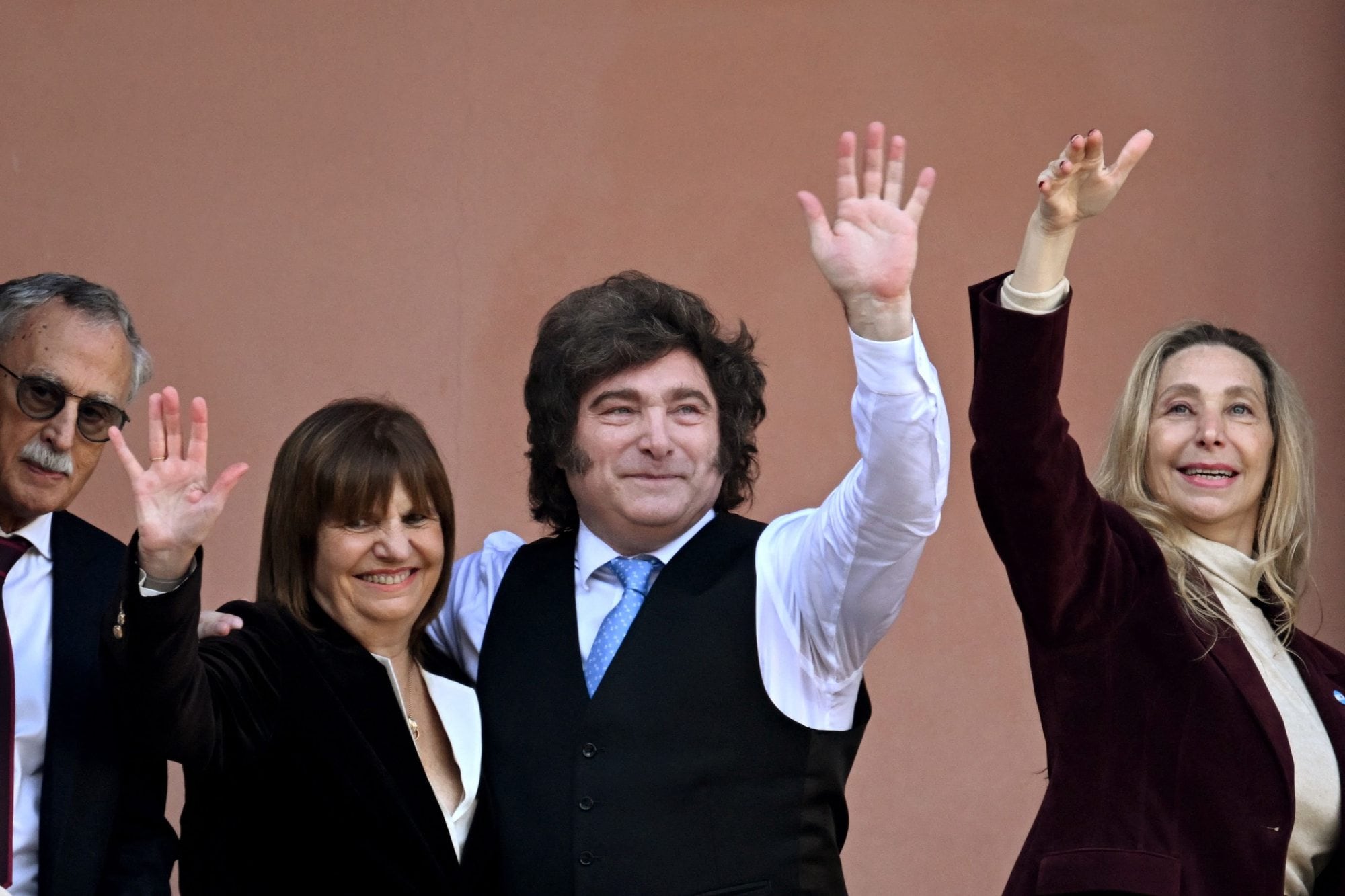
Walter Ceballos pointed out the party's struggles, noting, "Before the elections, the National Convention did not meet, and this had an exiguous result." He added, "The UCR has the lowest representation in its history, and now, it is also divided into three blocs" in the Chamber of Deputies. This fragmentation includes a bloc aligned with the national party leadership, a distinct radical bloc, and the solo bloc of Karina Banfi, who collaborates closely with the PRO party.
Before the elections, the National Convention did not meet, and this had an exiguous result. The UCR has the lowest representation in its history, and now, it is also divided into three blocs.
The leaders believe the UCR cannot afford to enter the 2027 elections in such a fragmented state. The recent meeting, attended by around 140 representatives, resulted in a consensus to push for reunification within Congress. While the UCR maintains a unified bloc in the Senate, the party faction hopes to replicate this cohesion in the Chamber of Deputies. They argue that "freedom of action is the worst thing that can happen to a national party like the UCR" and that reversing these divisions is essential to "recover the party's organic relevance and competitiveness" by establishing a common agenda.
freedom of action is the worst thing that can happen to a national party like the UCR.
DistantNews Editorial
Originally published by La Nación in Spanish. Translated, summarized, and contextualized by our editorial team with added local perspective. Read our editorial standards.
More Stories


From Our Blog

What Gets Lost (and Found) When News Is Translated

The Critical Role of Diaspora Media in Global News

What Travellers Should Know About Countries with Restricted Press

A Digital Nomad's Guide to Following Local News

How the Same Story Looks Different in Different Countries
