


Arisell Tragedy: What the Media Missed
Translated from Korean, summarized and contextualized by DistantNews.
At a glance
Analysis
Sources not specified
Context piece
- The Arisell factory fire in Hwaseong, which killed 23 people including 18 migrant workers, has been largely forgotten by the public and media.
- Media coverage was extensive immediately after the accident but quickly dwindled, with progressive media maintaining more consistent reporting.
- The article criticizes the media's tendency towards sensationalism, Seoul-centric reporting, and a reduction of complex industrial disasters into legal cases, failing to address systemic issues like outsourcing and discrimination against migrant workers.
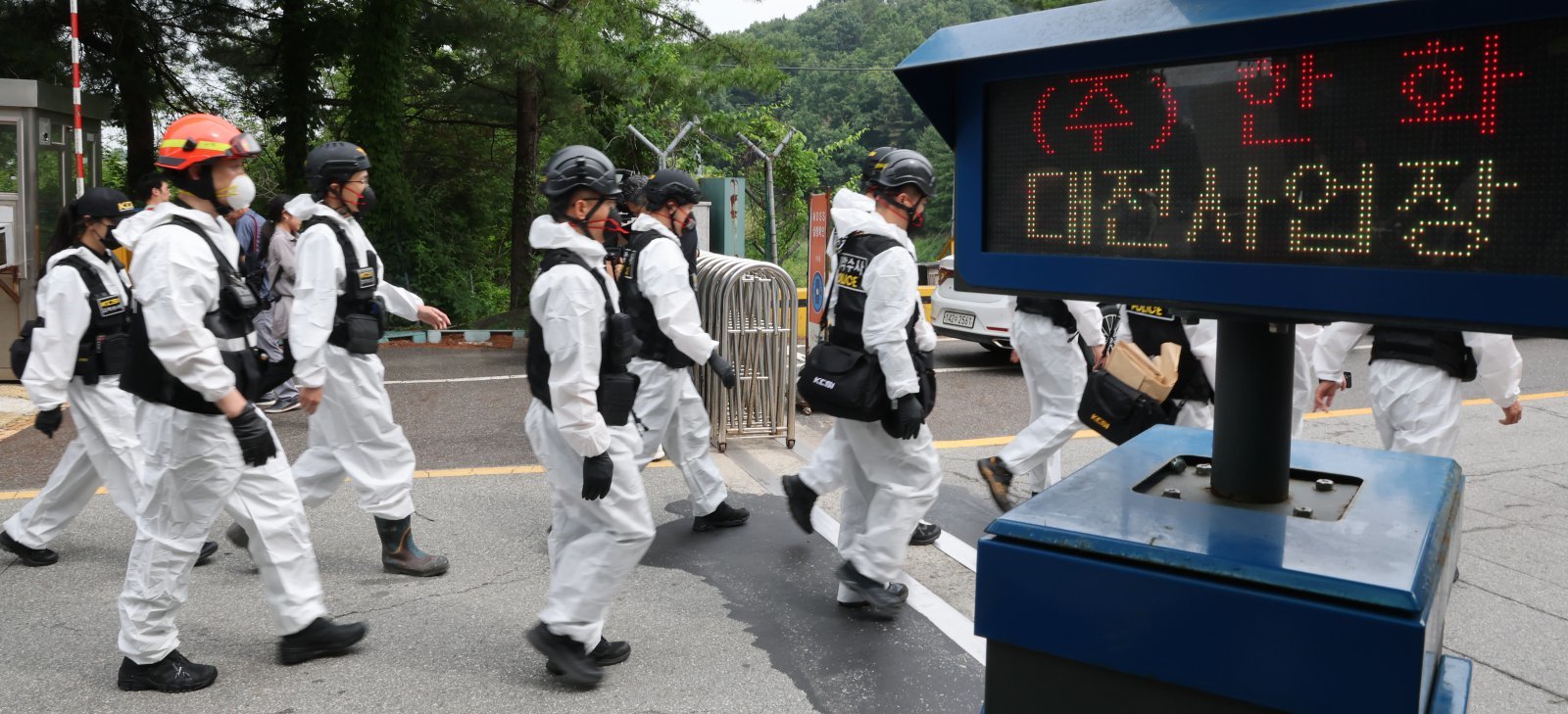
The tragic explosion at the Arisell lithium battery factory in Hwaseong on June 24, 2024, which claimed the lives of 23 people, including 18 migrant workers, has faded from public consciousness with alarming speed. This lack of sustained attention is a significant concern, as highlighted by activists who find that even when prompted, many people remain unaware of the incident, referring to it only as the 'Hwaseong battery factory explosion.'
Media coverage, while initially intense, proved fleeting. During the first week following the accident, major terrestrial news programs featured the event extensively, averaging around 30 reports per broadcaster. However, this coverage dropped dramatically in the subsequent months, with only about five reports from July through the end of the year. Newspapers showed a similar trend, with coverage declining from 21 articles in the first week to just 18 over the following six months, a period during which progressive media outlets were more diligent in maintaining coverage. Notably, television current affairs and cultural programs completely ignored the Arisome tragedy.
The issue extends beyond the sheer volume of reporting. The media's handling of the Arisell disaster mirrored persistent journalistic practices: an initial surge of speculative reporting followed by a decline as facts emerged, and a strong tendency towards Seoul-centric coverage. The incident, occurring in Hwaseong, was quickly relegated from national news to regional reporting. Over time, the narrative increasingly focused on the judicial process, framing the disaster primarily as a legal case rather than an industrial or systemic failure.
No one said, 'That could have been me.' It was difficult for the deceased factory workers to be seen as similar to oneself, let alone those of different nationalities.
This legalistic framing centered on punishing regulatory violations, neglecting to hold government agencies and authorities accountable for their regulatory failures. The complex issues of labor conditions for migrant workers and the structural problems within the industry were gradually sidelined, reducing a societal tragedy to a legal matter. The article argues that while lithium batteries were involved, the root causes lay not in the batteries themselves but in the 'outsourcing of risk.' The media failed to adequately investigate why the majority of victims were migrant workers, predominantly of Chinese descent and female, many of whom were placed in the factory through labor agencies without full knowledge of their roles and without proper safety training.
Instead of questioning the government and corporations about the responsibilities related to outsourcing, media outlets reportedly asked migrant workers if they could speak Korean, implying a linguistic barrier as a potential cause. Even the common journalistic trope of focusing on victim suffering was largely absent in the Arisell coverage. As accountability waned, so did the pursuit of justice. The Arisell CEO, initially sentenced to 15 years, received a reduced sentence of 4 years in the appellate court. At a memorial event marking the second anniversary of the tragedy, a labor activist lamented the lack of empathy and connection, stating, 'No one said, 'That could have been me.' It was difficult for the deceased factory workers to be seen as similar to oneself, let alone those of different nationalities.' The activist hoped for respect beyond death for those who were not equally mourned in life. The title of a recent memorial event, 'My Grave is Arisell,' was described as a testament to the ongoing silence, neglect, and pain, suggesting that mourning will continue as long as this testimony persists, and urging the media to participate in that act of remembrance.
The title 'My Grave is Arisell' is a testament to the silence, neglect, and unfinished pain.
DistantNews Editorial
Originally published by Hankyoreh in Korean. Translated, summarized, and contextualized by our editorial team with added local perspective. Read our editorial standards.
More Stories

From Our Blog

What Gets Lost (and Found) When News Is Translated

The Critical Role of Diaspora Media in Global News

What Travellers Should Know About Countries with Restricted Press

A Digital Nomad's Guide to Following Local News

How the Same Story Looks Different in Different Countries
