

Aristotle on the 10 Human Virtues: 'A Person of Great Soul is Indifferent to Good and Bad Fortune'
Translated from Spanish, summarized and contextualized by DistantNews.
TLDR
- Aristotle's concept of eudaimonia, often translated as happiness or flourishing, is explored.
- He defined virtues as character traits acquired through practice, emphasizing a 'golden mean' between extremes.
- The article links Aristotelian virtues like courage and temperance to modern scientific findings on well-being.
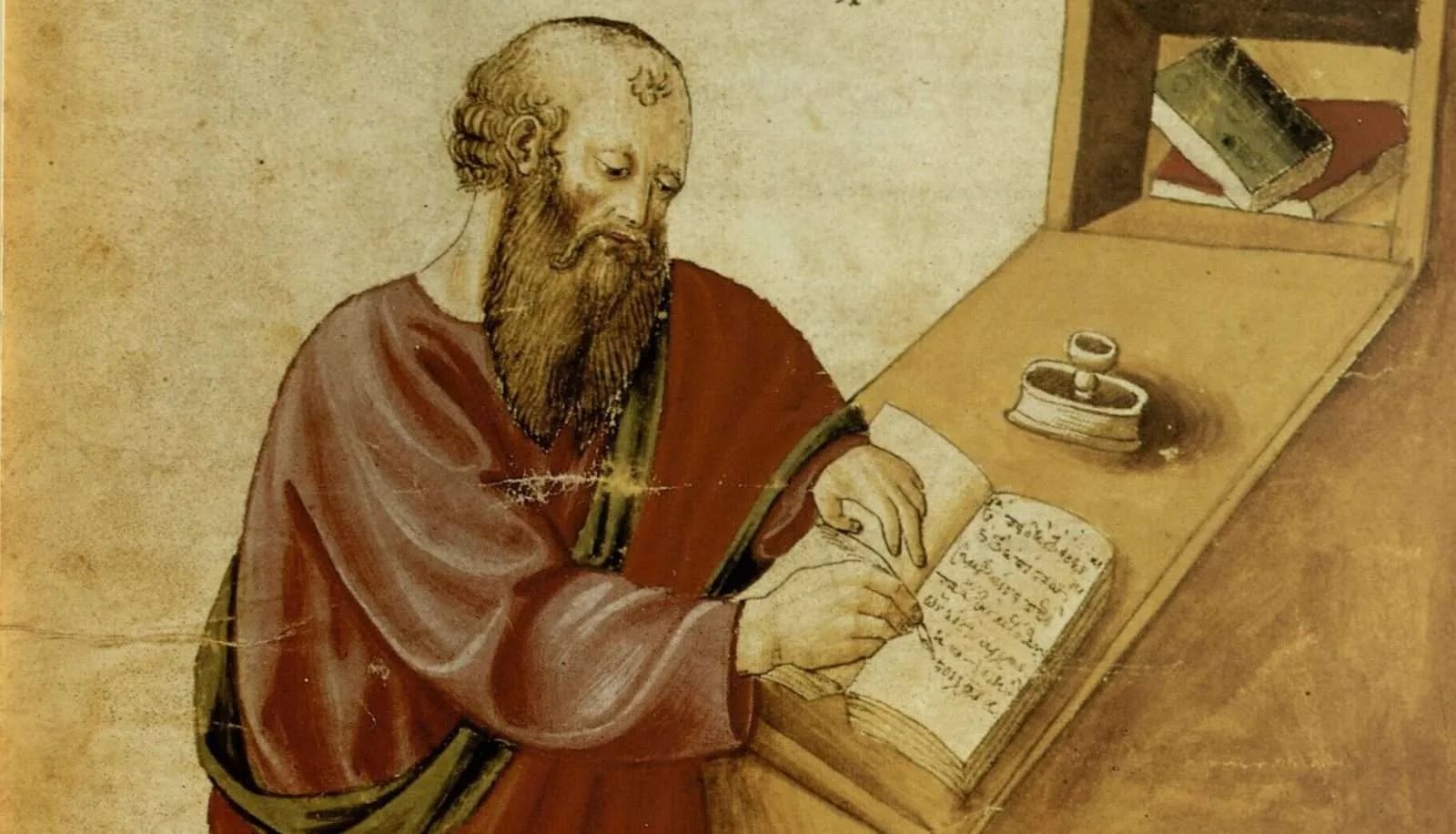
Aristotle, the towering figure of ancient Greek philosophy, continues to offer profound insights into the human condition, particularly concerning happiness and fulfillment. His work, especially the Nicomachean Ethics, delves into the concept of 'eudaimonia,' a state of flourishing that transcends mere pleasure and represents the ultimate aim of human existence.
For Aristotle, achieving eudaimonia is not a matter of chance but a deliberate cultivation of virtue. He posited that virtues are not innate but developed through consistent practice, akin to learning a skill. This process involves identifying and emulating moral exemplars, gradually embedding virtuous actions into one's character until they become habitual. Crucially, Aristotle cautioned that virtue lies in a 'golden mean,' a balance between deficiency and excess – a principle that resonates even in contemporary discussions of moderation.
The article highlights how Aristotle's framework, which includes virtues such as courage and temperance, finds surprising validation in modern psychological and biological research. Studies increasingly demonstrate the link between cultivating these character strengths and enhanced resilience, reduced negative emotions, and overall psychological well-being. This enduring relevance underscores the timeless wisdom embedded in classical philosophy, offering a timeless guide to living a meaningful and happy life.
DistantNews Editorial
Originally published by La Nación in Spanish. Translated, summarized, and contextualized by our editorial team with added local perspective. Read our editorial standards.
More Stories


From Our Blog

What Gets Lost (and Found) When News Is Translated

The Critical Role of Diaspora Media in Global News

What Travellers Should Know About Countries with Restricted Press

A Digital Nomad's Guide to Following Local News

How the Same Story Looks Different in Different Countries
