

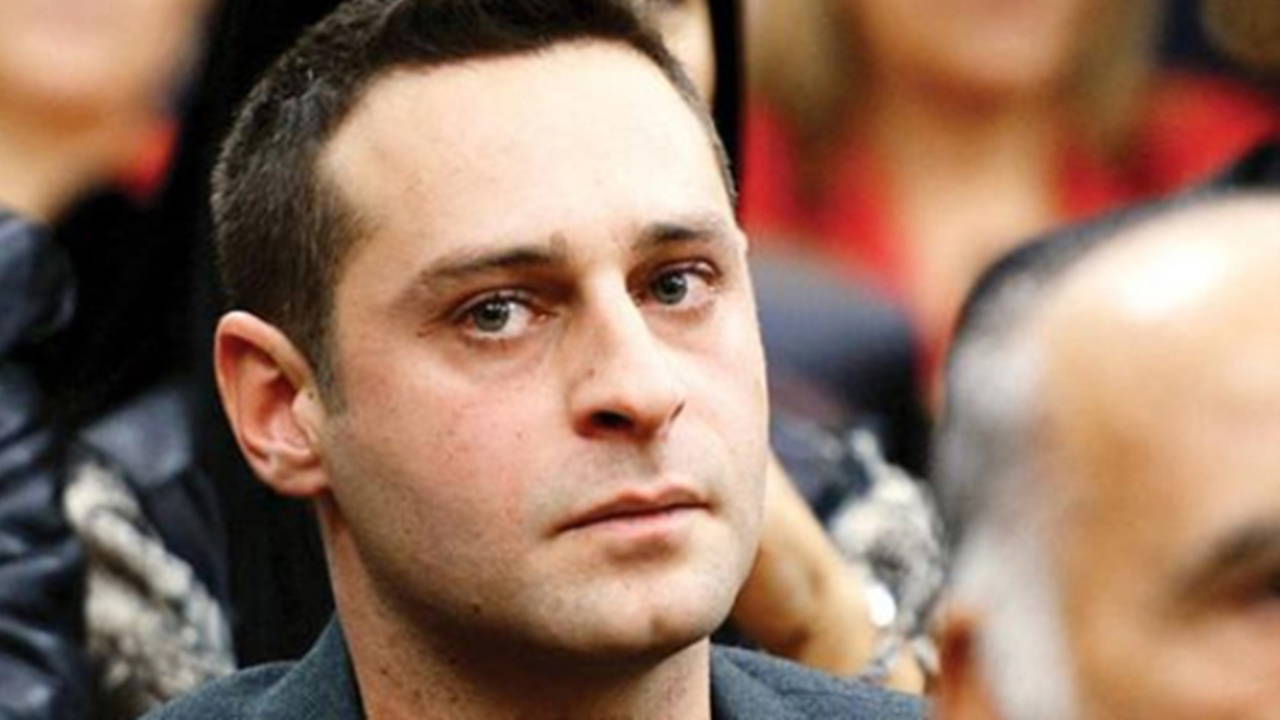
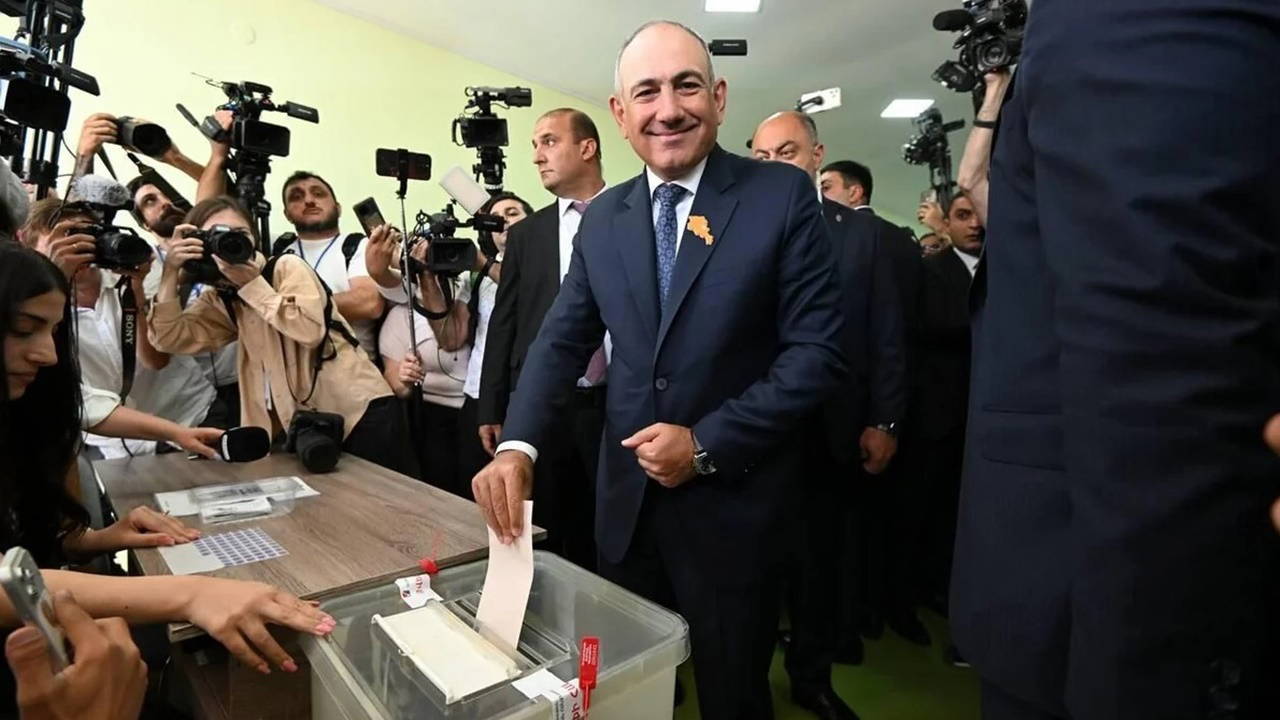
Armenia at the polls: Pashinyan's fate decided today
Translated from Turkish, summarized and contextualized by DistantNews.
At a glance
News
Sources not specified
Context piece
- Armenia is holding elections on June 7, with voters deciding the country's foreign policy direction.
- Prime Minister Nikol Pashinyan is campaigning on integration with Europe, peace with Azerbaijan, and normalization with Turkey, while Russia increases pressure.
- Pashinyan's support has fallen due to concessions made in the peace process with Azerbaijan following the Karabakh War.
Armenians are heading to the polls on June 7, with the nation's foreign policy direction at stake. The South Caucasus country of nearly 3 million people has strengthened ties with the West in recent years, moving away from its traditional ally, Russia. Prime Minister Nikol Pashinyan has centered his campaign on European integration, lasting peace with Azerbaijan, and normalizing relations with Turkey. Meanwhile, Moscow is intensifying its pressure on Yerevan by leveraging economic tools. The elections, closely monitored by international observers, are crucial for determining if Armenia will continue its path toward closer alignment with the European Union.
Pashinyan, who came to power in 2018, has initiated significant shifts in the country's foreign policy. He has guided legislation through parliament to begin the process of joining the European Union, accelerated peace talks with Azerbaijan under U.S. mediation, and sought to distance Armenia from Moscow's influence. A large-scale summit in Yerevan earlier this year, attended by EU leaders and Ukrainian President Volodymyr Zelenskyy, was seen as a symbol of this closer relationship with the West. U.S. President Donald Trump also viewed Pashinyan favorably for his efforts in the peace process with Azerbaijan.
Despite these foreign policy successes, Pashinyan has struggled to maintain domestic support. His approval, which stood at 54% in the 2021 elections, has reportedly dropped to around 30%. The primary reason for this decline is the Karabakh War. The region, considered Azerbaijani territory under international law and occupied by Armenia until 2023, was brought back under Baku's control through a military operation. Pashinyan's opponents argue he has made too many concessions for peace with Azerbaijan. Criticisms that he has not done enough to secure the release of former Karabakh officials currently detained in Azerbaijan have resonated with the public. Recent polls indicate a divided society on this issue, with 44% supporting a peace agreement with Azerbaijan and 41% opposing it.
Opposition parties challenging Pashinyan have found it difficult to unite for the elections. One of the strongest opposition blocs is the "Armenia Alliance," led by former President Robert Kocharyan. The Republican Party, led by former President Serzh Sargsyan, has not fielded a candidate but has urged its voters to reject Pashinyan. Both Sargsyan and Kocharyan advocate for strengthening military and economic ties with Russia as the path to ensuring Armenia's security. Pashinyan's most notable rival is billionaire businessman Samvel Karapetyan, who amassed his fortune in Russia. Karapetyan, accused of plotting to overthrow the government, is currently under house arrest and was unable to campaign effectively.
DistantNews Editorial
Originally published by Cumhuriyet in Turkish. Translated, summarized, and contextualized by our editorial team with added local perspective. Read our editorial standards.
More Stories
From Our Blog

What Gets Lost (and Found) When News Is Translated

The Critical Role of Diaspora Media in Global News

What Travellers Should Know About Countries with Restricted Press

A Digital Nomad's Guide to Following Local News

How the Same Story Looks Different in Different Countries
