

As Iran war drags on, spiking energy prices send inflation to 3-year high
Summarized and contextualized by DistantNews.
At a glance
News
Named sources
New plan
- Inflation in May reached a three-year high of 4.2% annually, primarily driven by soaring energy prices.
- Energy costs accounted for over 60% of the overall inflation increase, according to the Labor Department.
- Core inflation, excluding volatile food and energy prices, showed a more moderate rise of 2.9%.
Inflation surged to its highest point in three years in May, reaching an annual rate of 4.2%. The significant increase was largely fueled by a sharp rise in energy prices, which have become a major concern for consumers and policymakers alike.
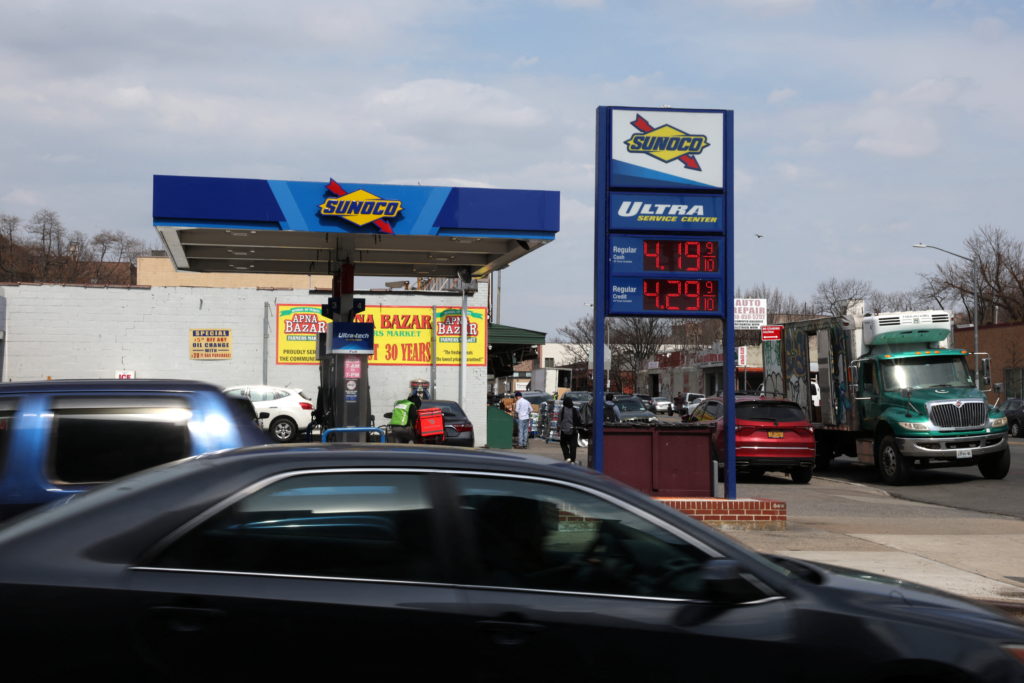
The Labor Department reported that the cost of energy was the principal driver behind the inflation spike, accounting for more than 60% of the overall increase. This suggests that fluctuations in the oil and gas markets are having a substantial impact on the broader economy, affecting everything from transportation costs to household utility bills.
In contrast, core inflation, a metric that excludes the more volatile prices of food and energy, presented a more moderate picture. This figure rose by 2.9%, indicating that underlying inflationary pressures, excluding the immediate impact of energy markets, are less severe. However, the overall high inflation rate remains a key economic challenge.
DistantNews Editorial
Originally published by PBS NewsHour. Summarized and contextualized by our editorial team with added local perspective. Read our editorial standards.
More Stories



From Our Blog

How the Same Story Looks Different in Different Countries

What Gets Lost (and Found) When News Is Translated

The Critical Role of Diaspora Media in Global News

What Travellers Should Know About Countries with Restricted Press

A Digital Nomad's Guide to Following Local News
