

Asian markets tumble as 'perfect storm' hits global investors
Translated from English, summarized and contextualized by DistantNews.
At a glance
News
Sources not specified
Context piece
- Asian markets declined Friday, following a sell-off on Wall Street, influenced by the Middle East conflict, rising oil prices, and concerns over AI investment.
- Tech stocks, particularly AI-related companies, bore the brunt of the selling due to worries about returns on massive investments in AI hardware and research.
- The re-escalation of Middle East hostilities has renewed inflation fears and concerns about potential interest rate hikes by central banks.
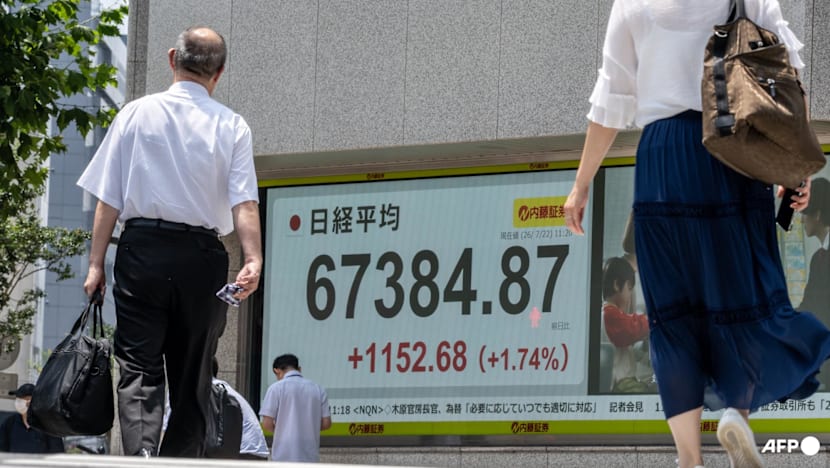
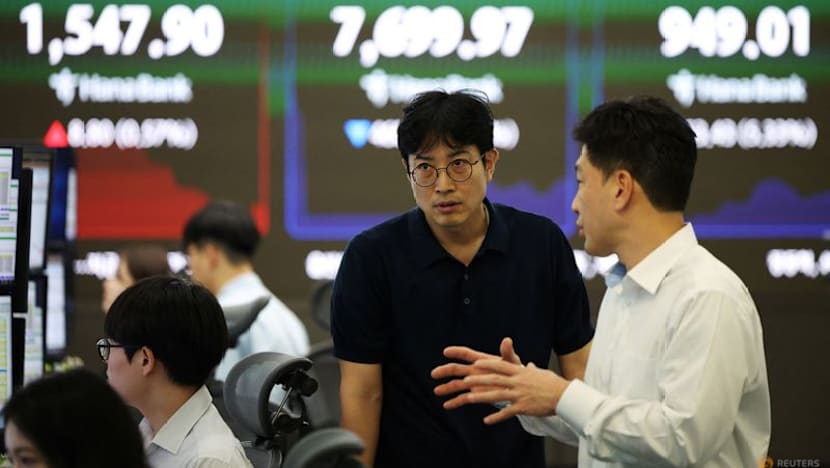
Global markets experienced a significant downturn Friday, mirroring a sell-off on Wall Street, as a confluence of factors created a "perfect storm" for investors. The resurgent Middle East conflict, oil prices surging back above $100 per barrel, and anxieties surrounding the artificial intelligence investment boom all contributed to the market's decline. Analysts noted that traders found it increasingly difficult to offset negative news in one sector with positive developments elsewhere. Technology firms were particularly hard-hit, facing scrutiny over the colossal sums being invested in AI hardware, factories, and research. Investors are questioning the timeline for returns on these substantial expenditures. Major tech companies, including Alphabet and Tesla, saw significant drops, with Alphabet falling nearly 7 percent and Tesla plunging over 14 percent. Meta, Microsoft, and Amazon, which have collectively signaled over $700 billion in AI spending for the year, are also under pressure ahead of their upcoming earnings reports. The sell-off extended to Asian markets, with Seoul's KOSPI index dropping over 3 percent, heavily impacted by chipmakers like Samsung and SK Hynix. Tokyo's Nikkei also fell sharply, with companies such as Kioxia, Advantest, and Tokyo Electron experiencing significant losses. Hong Kong, Shanghai, Sydney, Singapore, Taipei, and Manila also registered declines. Compounding the tech sector's woes, the re-escalation of hostilities in the Middle East has reignited inflation concerns and the possibility of central banks raising interest rates. After a recent truce eased fears, tit-for-tat attacks between Iran and the US, coupled with Houthi rebel involvement, sent Brent crude soaring 7 percent back above $100. While both major oil contracts saw slight decreases on Friday, Brent remained above the $100 mark, underscoring the ongoing volatility.
A relatively small number of companies have driven a disproportionate share of returns in recent years. As expectations rise and markets become more selective, future outcomes are likely to depend less on exposure to a theme and more on which businesses can translate investment into sustainable earnings growth and attractive returns on capital.
DistantNews Editorial
Originally published by CNA in English. Translated, summarized, and contextualized by our editorial team with added local perspective. Read our editorial standards.
More Stories


From Our Blog

What Gets Lost (and Found) When News Is Translated

The Critical Role of Diaspora Media in Global News

What Travellers Should Know About Countries with Restricted Press

A Digital Nomad's Guide to Following Local News

How the Same Story Looks Different in Different Countries
