

Asian stocks slip, oil gains as Middle East peace doubts resurface
Translated from English, summarized and contextualized by DistantNews.
At a glance
News
Sources not specified
Context piece
- Asian markets mostly declined as Middle East peace process doubts and rising oil prices increased risk.
- Sterling weakened amid reports Prime Minister Keir Starmer might resign after a rival's election victory.
- Investors are pricing in a higher chance of U.S. interest rate hikes as core inflation data is due.
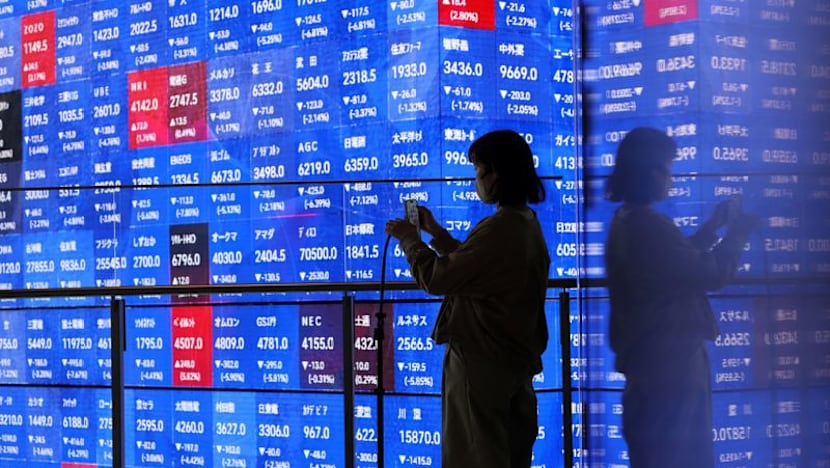
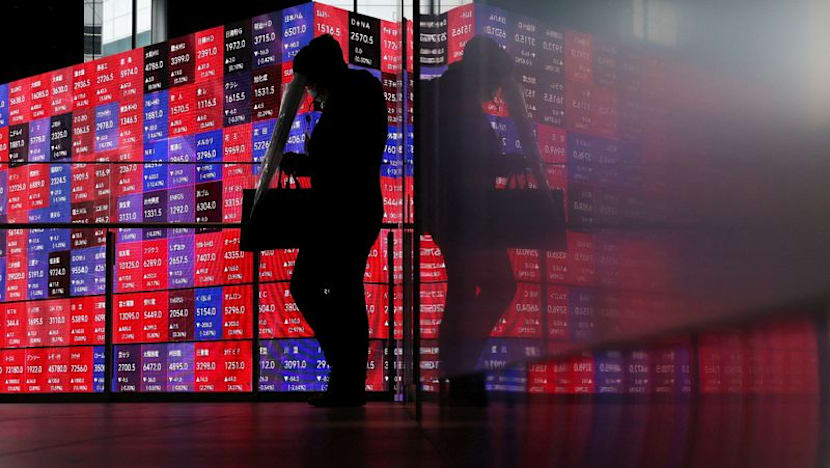
Asian stock markets mostly slipped on Monday as renewed doubts about the Middle East peace process drove up oil prices and bond yields. This led investors to anticipate a greater risk of higher U.S. interest rates.
Sterling weakened following reports that Prime Minister Keir Starmer was considering his political future. His rival, Andy Burnham, secured a decisive election victory, prompting calls for Starmer's resignation from within the governing Labour Party. U.S. President Donald Trump posted that Starmer was set to resign, while also threatening fresh attacks on Iran. This occurred even as Vice President JD Vance met Iranian officials for the first talks under an interim peace deal.
The peace talks were overshadowed by Iran's announcement that it had closed the Strait of Hormuz again. Tracking sites showed fewer vessels transiting the vital waterway. Iran's threats were sufficient to push Brent crude futures up 1.1 percent to $81.43 a barrel, though still far from their May peak. U.S. crude firmed 2.7 percent to $78.70 a barrel, remaining above pre-war levels.
Treasuries remained under pressure after the Federal Reserve's hawkish stance last week. Markets now price in a 75 percent chance of a rate hike as early as September. "Our baseline call is for patience and a first hike in the second half of 2027, but believe the margin for error and the tolerance for further inflation is limited, with genuine risks of earlier hikes," said Fabio Bassi, head of cross-asset strategy at JPMorgan. The Fed's favored core inflation gauge is due Thursday and is forecast to rise, underlining the risk of tighter policy. The dollar remained supported against the yen, with only the threat of Japanese intervention preventing a test of resistance.
Our baseline call is for patience and a first hike in the second half of 2027, but believe the margin for error and the tolerance for further inflation is limited, with genuine risks of earlier hikes.
DistantNews Editorial
Originally published by CNA in English. Translated, summarized, and contextualized by our editorial team with added local perspective. Read our editorial standards.
More Stories



From Our Blog

What Gets Lost (and Found) When News Is Translated

The Critical Role of Diaspora Media in Global News

What Travellers Should Know About Countries with Restricted Press

A Digital Nomad's Guide to Following Local News

How the Same Story Looks Different in Different Countries
