


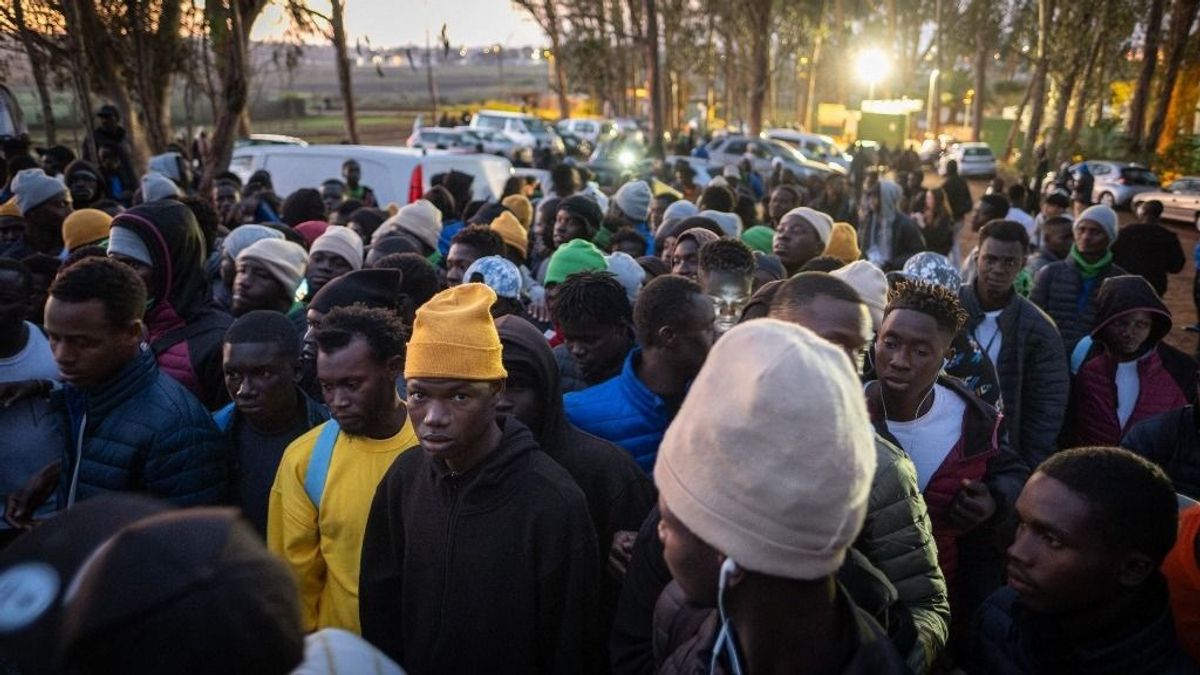
Asylum dispute concludes after two years
Translated from Hungarian, summarized and contextualized by DistantNews.
At a glance
News
Sources not specified
Outcome reported
- A two-year dispute over the UK's plan to deport asylum seekers to Rwanda has concluded with a ruling from the Permanent Court of Arbitration in The Hague.
- Rwanda had demanded two payments totaling 100 million pounds, originally due in 2025 and 2026, which the UK government considered a waste of taxpayer money.
- The court ruled on the payments, with the UK government stating it successfully defended its position, and Rwanda considering the matter closed.
A two-year legal dispute concerning the United Kingdom's controversial plan to transfer asylum seekers to Rwanda has reached its conclusion. The plan, which would have seen individuals seeking refuge in the UK sent to Rwanda to claim asylum and residency, was criticized by the new British government as a "political spectacle" and a "shocking waste" of taxpayer funds, estimating that nearly one billion pounds had already been spent on a system unlikely to function as intended.
The core of the legal battle involved Rwanda's demand for two annual payments of 50 million pounds each, originally scheduled for April 2025 and April 2026. Kigali insisted that the Starmer government still owed these amounts. However, the Permanent Court of Arbitration, based in The Hague, examined the diplomatic discussions that followed the termination of the agreement between the two countries.
The court determined that London did not intend to fulfill these payments. A decision was made by majority vote regarding the 2025 payment, while the 2026 payment was decided unanimously. Although the rulings were issued on May 15, they were only made public recently. The British government announced it had successfully defended its position on all points, and a Rwandan spokesperson stated that the country respects the decision and considers the matter closed.
DistantNews Editorial
Originally published by Magyar Nemzet in Hungarian. Translated, summarized, and contextualized by our editorial team with added local perspective. Read our editorial standards.
More Stories


From Our Blog

Countries Without a Free Press: What You Need to Know

What Press Freedom Means for the News You Read

What Gets Lost (and Found) When News Is Translated

The Critical Role of Diaspora Media in Global News

What Travellers Should Know About Countries with Restricted Press
