

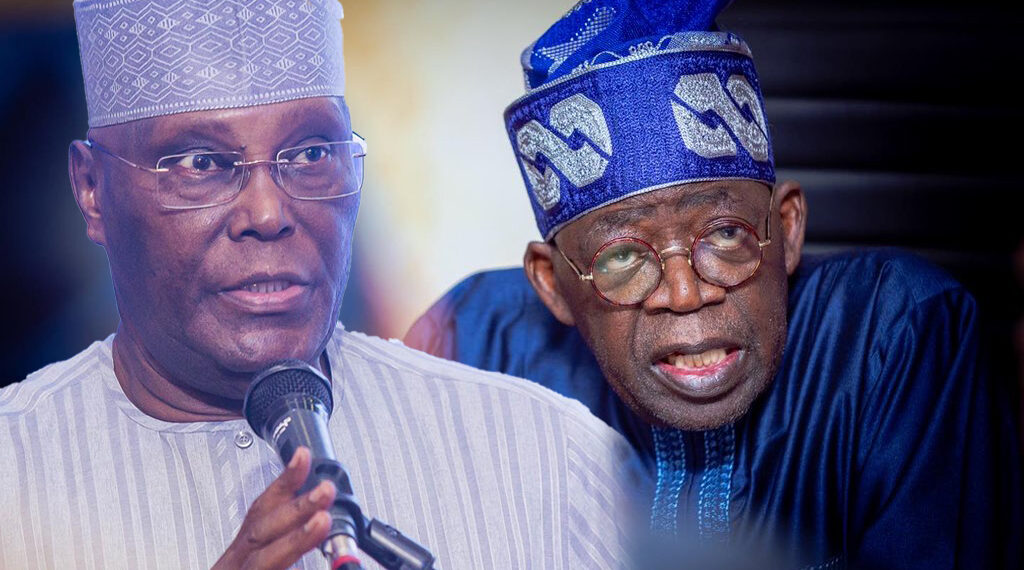

Atiku: Tinubu’s Removal of Oil Subsidy is Economic Fraud Against Nigerians
Summarized and contextualized by DistantNews.
At a glance
News
Named sources
Context piece
- Former Nigerian Vice President Atiku Abubakar criticized President Bola Tinubu's removal of the oil subsidy as an "economic fraud."
- Abubakar argued that the government continues to grant incentives like tax credits and concessions to petroleum industry operators, contradicting the subsidy removal.
- He cited the Deep Offshore Oil and Gas Projects Incentives framework and NNPC's energy-security expenses as evidence of continued government intervention for major investors.
Former Nigerian Vice President Atiku Abubakar has strongly condemned President Bola Tinubu's administration's removal of the oil subsidy, labeling it a "major economic fraud" perpetrated against Nigerians. Abubakar contends that the government's claim of abolishing the subsidy is undermined by its continued provision of tax credits, concessions, and other fiscal incentives to petroleum industry operators.
Tinubu stood at Eagle Square and declared that subsidy was gone. Petrol prices exploded, transportation costs soared, food prices followed, businesses buckled and household purchasing power collapsed. Nigerians were told there was no alternative and that enduring this pain was the necessary price of economic reform.
Abubakar asserted that the Tinubu administration has become increasingly desperate to defend its policies, particularly after the unveiling of his own "Atiku Economic Recovery Plan." He criticized the government's narrative, stating that while Nigerians were told to endure pain for economic reform after the subsidy removal led to soaring prices and collapsed purchasing power, major oil investors receive "sermons" about the necessity of government intervention.
But when major oil investors knock on Tinubu’s door, the sermon changes. Suddenly, government intervention is good economics; tax credits are necessary; fiscal concessions are strategic; and private investment must be ‘de-risked.’ Apparently, subsidy is only evil when poor Nigerians benefit from it.
He pointed to the Deep Offshore Oil and Gas Projects Incentives framework, which allows qualifying petroleum developments to receive production tax credits ranging from $3 to $11.50 per barrel. Abubakar questioned whether Tinubu's objection is to government intervention itself or specifically to interventions that benefit ordinary Nigerians. Furthermore, he highlighted NNPC's audited accounts, which recorded approximately ₦4.84 trillion in energy-security expenses in 2023 and about ₦7.13 trillion in 2024, partly due to exchange rate differences in settling import obligations. Abubakar suggested this indicates a continued, albeit differently framed, form of subsidy or support for the energy sector.
So, what exactly is Tinubu’s objection: government intervention itself, or government intervention for Nigerians?
DistantNews Editorial
Originally published by ThisDay. Summarized and contextualized by our editorial team with added local perspective. Read our editorial standards.
More Stories



From Our Blog

How the Same Story Looks Different in Different Countries

What Gets Lost (and Found) When News Is Translated

The Critical Role of Diaspora Media in Global News

What Travellers Should Know About Countries with Restricted Press

A Digital Nomad's Guide to Following Local News
