

Austria and Portugal to join UN Security Council, replacing Denmark and Greece
Translated from Danish, summarized and contextualized by DistantNews.
At a glance
News
From a news agency
New plan
- Austria and Portugal have been elected to the UN Security Council for two-year terms beginning January 1, 2027.
- They will replace Denmark and Greece, filling seats allocated to the Western European and Others Group.
- Germany failed to secure one of the Western European seats despite bidding for it.
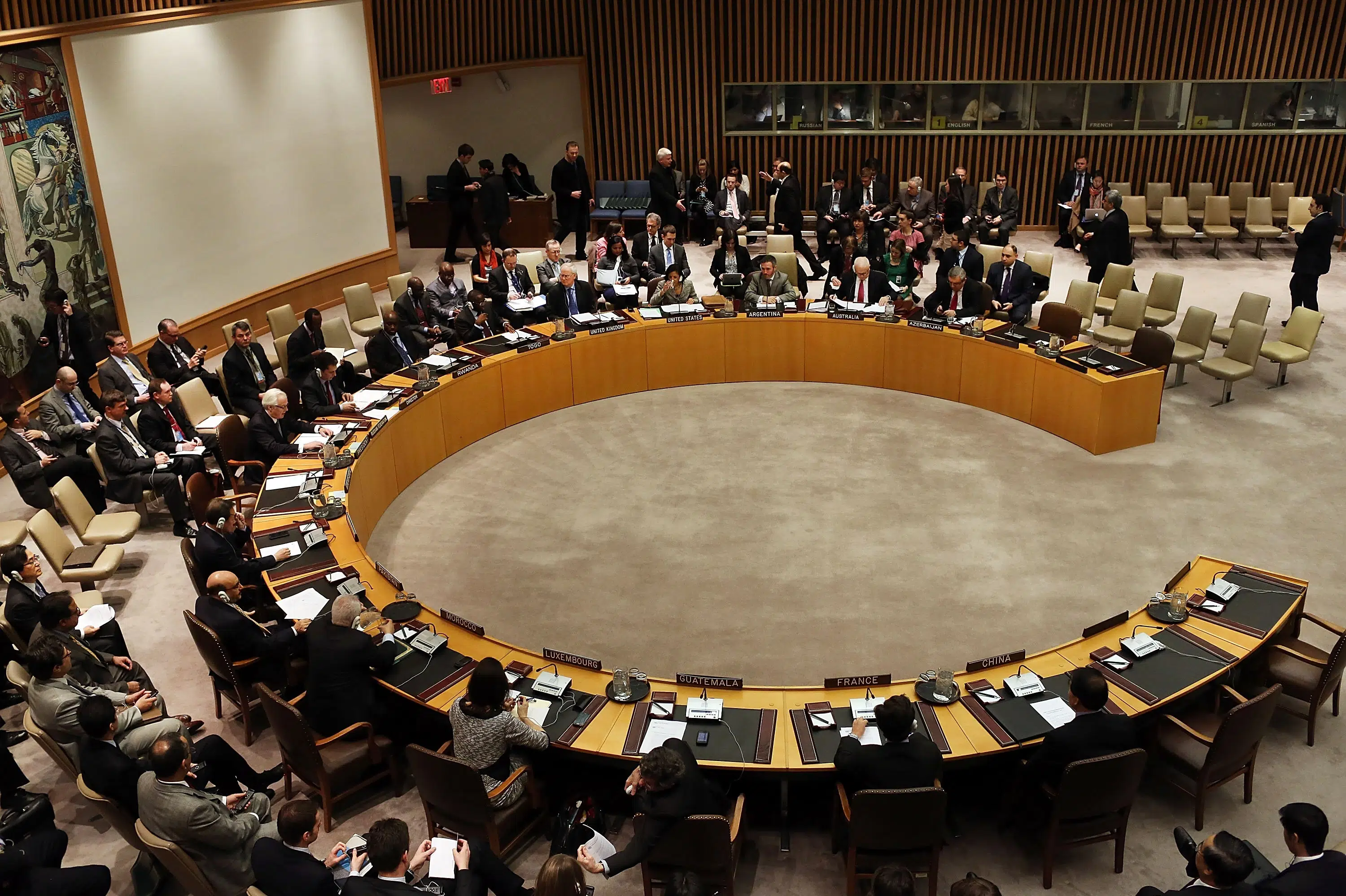
Austria and Portugal will join the United Nations Security Council in 2027, replacing Denmark and Greece. The UN General Assembly elected the two European nations for two-year terms starting January 1, 2027. Zimbabwe and Trinidad and Tobago were also elected to the council.
The Security Council has 15 members, including five permanent members: Britain, the United States, France, China, and Russia. The remaining ten members are non-permanent, elected by the General Assembly for two-year terms. The election process considers equitable geographical representation.
This year, one seat was allocated to the African Group, one to the Latin American and Caribbean Group, one to the Asia-Pacific Group, and two to the Western European and Others Group. Portugal and Austria secured the two Western European seats. Germany had also sought one of these seats but did not receive enough votes.
Zimbabwe will replace Somalia from the African Group, and Trinidad and Tobago will take over Panama's seat in the Security Council. There were no other candidates for the African or Latin American and Caribbean seats. The Asian seat is still undecided, with the Philippines and Kyrgyzstan vying for the position currently held by Pakistan.
DistantNews Editorial
Originally published by Berlingske in Danish. Translated, summarized, and contextualized by our editorial team with added local perspective. Read our editorial standards.
More Stories

From Our Blog

What Gets Lost (and Found) When News Is Translated

The Critical Role of Diaspora Media in Global News

What Travellers Should Know About Countries with Restricted Press

A Digital Nomad's Guide to Following Local News

How the Same Story Looks Different in Different Countries
