

Austria Eyes Key Global Role Amidst UN Security Council Seat Bid and Accusations of Compromise
Translated from Hungarian, summarized and contextualized by DistantNews.
At a glance
News
Sources not specified
Context piece
- Austria is vying for a non-permanent seat on the UN Security Council, a position previously held by Hungary.
- Critics accuse Austria of being too lenient with authoritarian regimes like Iran, Libya, and Venezuela, suggesting a vote-buying strategy.
- The election's outcome could impact Austria's international standing and the perception of its neutrality.
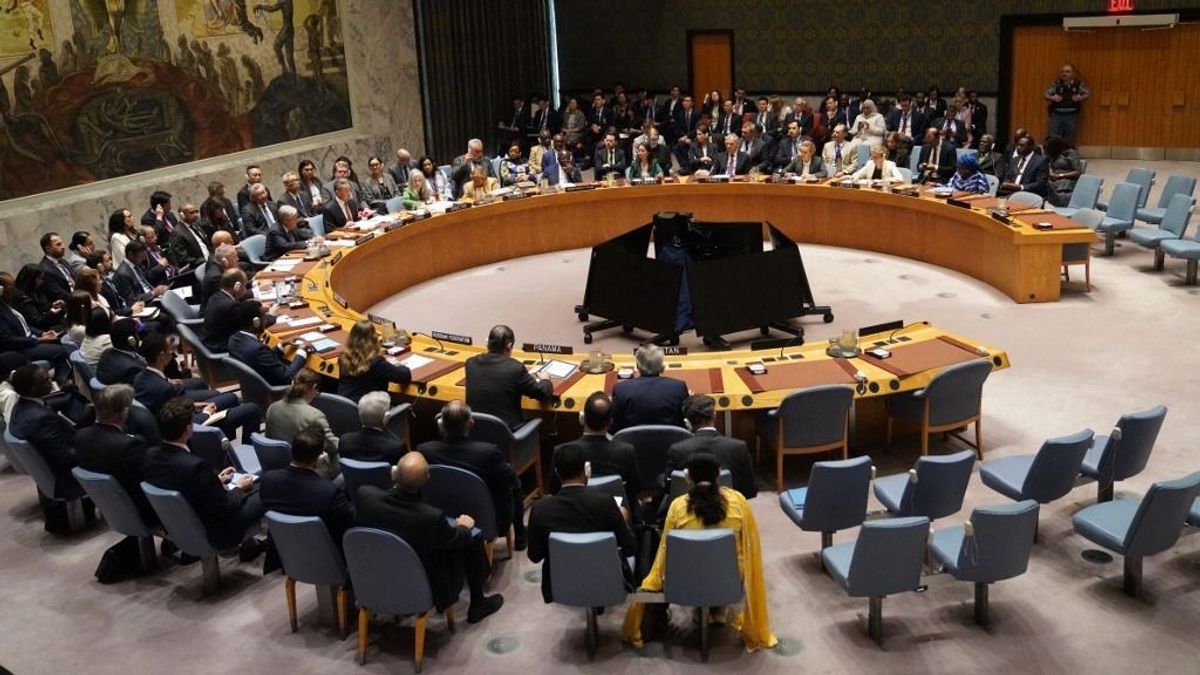
Austria is positioning itself for a significant role in global politics as it competes for a non-permanent seat on the United Nations Security Council. This bid is not unprecedented, as Austria has served on the council three times previously, in 1973/74, 1991/92, and 2009/10. The election's stakes are high, extending beyond a single seat in New York.
However, Austria's pursuit of this influential position is shadowed by controversy. Critical voices have emerged, alleging that Vienna has recently adopted a conspicuously accommodating stance towards authoritarian regimes, including Iran, Libya, and Venezuela. These critics suspect that Austria might be attempting to "buy" votes for its membership bid through such leniency.
While official diplomacy labels these interactions as routine procedures, the underlying question remains pressing: does the path to the "table of the powerful" involve compromising ethical principles through unprincipled deals? The outcome of the upcoming vote will be a key indicator.
If Austria secures the seat, it will be a personal success for figures like Meinl-Reisinger. However, the myth of Austrian neutrality could be challenged by the weight of real-world decision-making pressures. Conversely, if Berlin prevails, Austria will be compelled to confront the reality that in global politics, "good intentions" are insufficient without the capacity to assert genuine interests. Hungary, meanwhile, has been elected as a non-permanent member of the Security Council twice before, in 1968 and 1992.
DistantNews Editorial
Originally published by Magyar Nemzet in Hungarian. Translated, summarized, and contextualized by our editorial team with added local perspective. Read our editorial standards.
More Stories
From Our Blog

Countries Without a Free Press: What You Need to Know

What Press Freedom Means for the News You Read

What Gets Lost (and Found) When News Is Translated

The Critical Role of Diaspora Media in Global News

What Travellers Should Know About Countries with Restricted Press
