


Authors Martín Caparrós and Juan Villoro discuss World Cup drama and defensive tactics
Translated from Spanish, summarized and contextualized by DistantNews.
At a glance
Analysis
Sources not specified
Context piece
- Authors Martín Caparrós and Juan Villoro continue their World Cup conversation, this time focusing on the 2026 tournament hosted by the US, Mexico, and Canada.
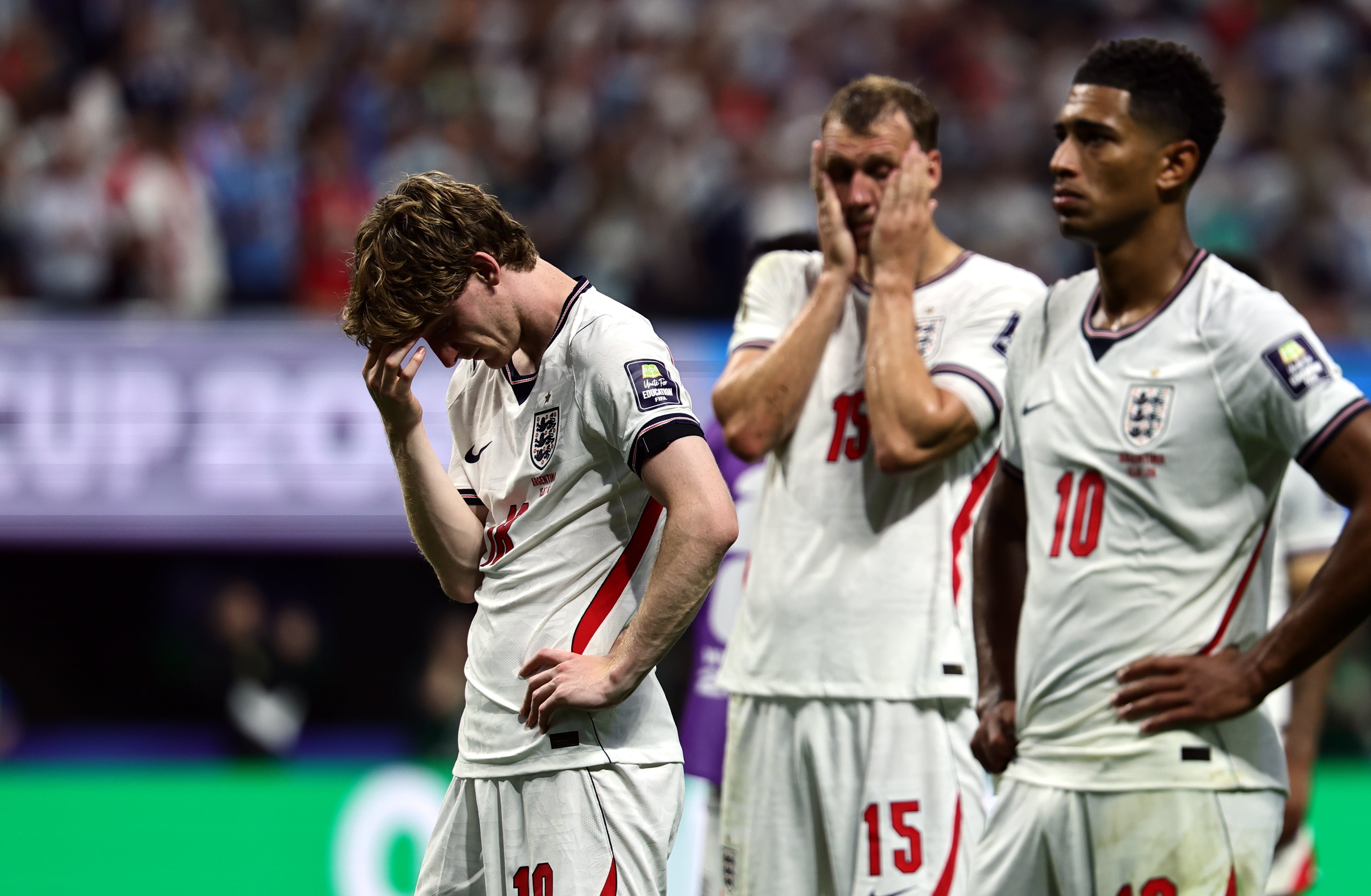
- Caparrós reflects on Argentina's dramatic comeback against England, criticizing the first half as "horrendous" and praising Giuliano Simeone's disruptive play.
- He analyzes England's defensive tactics under Thomas Tuchel, comparing it to historical examples of overly cautious play that prioritized preservation over attacking intent.
The World Cup, a global spectacle, has ignited a passionate exchange between renowned Hispanic literary figures Martín Caparrós and Juan Villoro. Building on their previous dialogue during the 2022 Qatar World Cup, the two friends and football aficionados have resumed their series, 'Un mundial de ida y vuelta' (A World Cup Back and Forth), to dissect the unfolding 2026 tournament co-hosted by the US, Mexico, and Canada.
The Argentine comeback was so marvelous that, twenty-four hours later, little is said about what happened in the first half, the most horrendous of the World Cup.
Caparrós opens the latest installment with palpable euphoria, celebrating both Argentina's remarkable comeback against England and his own recent release from the hospital. He vividly describes the first half as the "most horrendous of the World Cup," a period of "infamy" that he felt undermined the sport. In contrast, he lauded the second half's dramatic turnaround, highlighting the tactical shift involving Giuliano Simeone, whose aggressive play disrupted England's defense.
That lapse of infamy was the best argument in favor of women's football, the last reserve of fair play, incapable of confusing the sport with the excesses of testosterone.
His analysis extends to England's tactical approach under coach Thomas Tuchel. Caparrós critiques the team's decision to adopt an overly defensive stance after scoring, likening it to a "bunker" strategy. He draws parallels to historical coaching philosophies, noting how such tactics, prioritizing preservation at all costs, can lead to a "suffering" and "agonizing" style of play, a stark contrast to the attacking spirit often associated with the sport.
From that horror, we moved on to a second half that deserves psychoanalysis.
DistantNews Editorial
Originally published by El País in Spanish. Translated, summarized, and contextualized by our editorial team with added local perspective. Read our editorial standards.
More Stories

From Our Blog

What Gets Lost (and Found) When News Is Translated

The Critical Role of Diaspora Media in Global News

What Travellers Should Know About Countries with Restricted Press

A Digital Nomad's Guide to Following Local News

How the Same Story Looks Different in Different Countries
