

/nginx/o/2026/08/11/17840640t1h16f0.jpg)
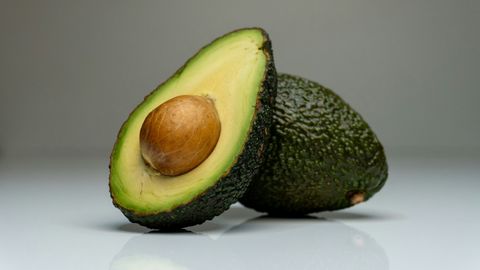
Avocado trees can change their sex: How they do it and why it's necessary
Translated from Estonian, summarized and contextualized by DistantNews.
At a glance
In-depth
Sources not specified
Context piece
- Avocado trees possess the ability to change their sex, a trait that evolved approximately 400 million years ago.
- This sexual reproduction allows for broader gene transmission and helps reduce harmful mutations.
- The evolutionary advantage of sex contributes to the overall improvement of species' forms.
Avocado trees exhibit a fascinating biological trait: they can change their sex. This remarkable ability is not unique to avocados but is a feature that emerged in the evolutionary history of life, likely around 400 million years ago. The development of sexual reproduction marked a significant adaptation for living organisms.
This evolutionary leap brought about numerous advantages. Primarily, it enabled a wider transmission of genes between individuals. This process is crucial for the long-term health and adaptability of a species.
Furthermore, the exchange of genetic material through sex helps to reduce the accumulation of harmful mutations. By combining genes from different sources, beneficial traits can be amplified, while detrimental ones are diluted or eliminated over time. This mechanism contributes to the overall improvement and resilience of a species' form, ensuring its continued survival and evolution.
DistantNews Editorial
Originally published by Postimees in Estonian. Translated, summarized, and contextualized by our editorial team with added local perspective. Read our editorial standards.
More Stories
/nginx/o/2026/08/10/17838220t1hf90c.jpg)
/nginx/o/2026/08/05/17829184t1h2792.jpg)

From Our Blog

What Gets Lost (and Found) When News Is Translated

The Critical Role of Diaspora Media in Global News

What Travellers Should Know About Countries with Restricted Press

A Digital Nomad's Guide to Following Local News

How the Same Story Looks Different in Different Countries
