

B.C. farmers flock to Nova Scotia seeking affordability, local food production fears grow
Translated from English, summarized and contextualized by DistantNews.
At a glance
News
Named sources
Context piece
- Vancouver Island farmers are relocating to Nova Scotia due to the prohibitive cost of farming in British Columbia.
- A couple found they could purchase a 50-acre farm in Nova Scotia for the price of a one-bedroom condo in B.C.
- Concerns are rising that high land costs in B.C. could lead to a decline in locally produced food and increased reliance on imports.
A growing number of farmers are leaving British Columbia in search of more affordable land and a sustainable future, with Nova Scotia emerging as a popular destination. The stark contrast in land prices is forcing agricultural families to make drastic decisions about their livelihoods.
By the time I was nine, I had drawings – kind of where my farm and barn would be – where my crops would grow.
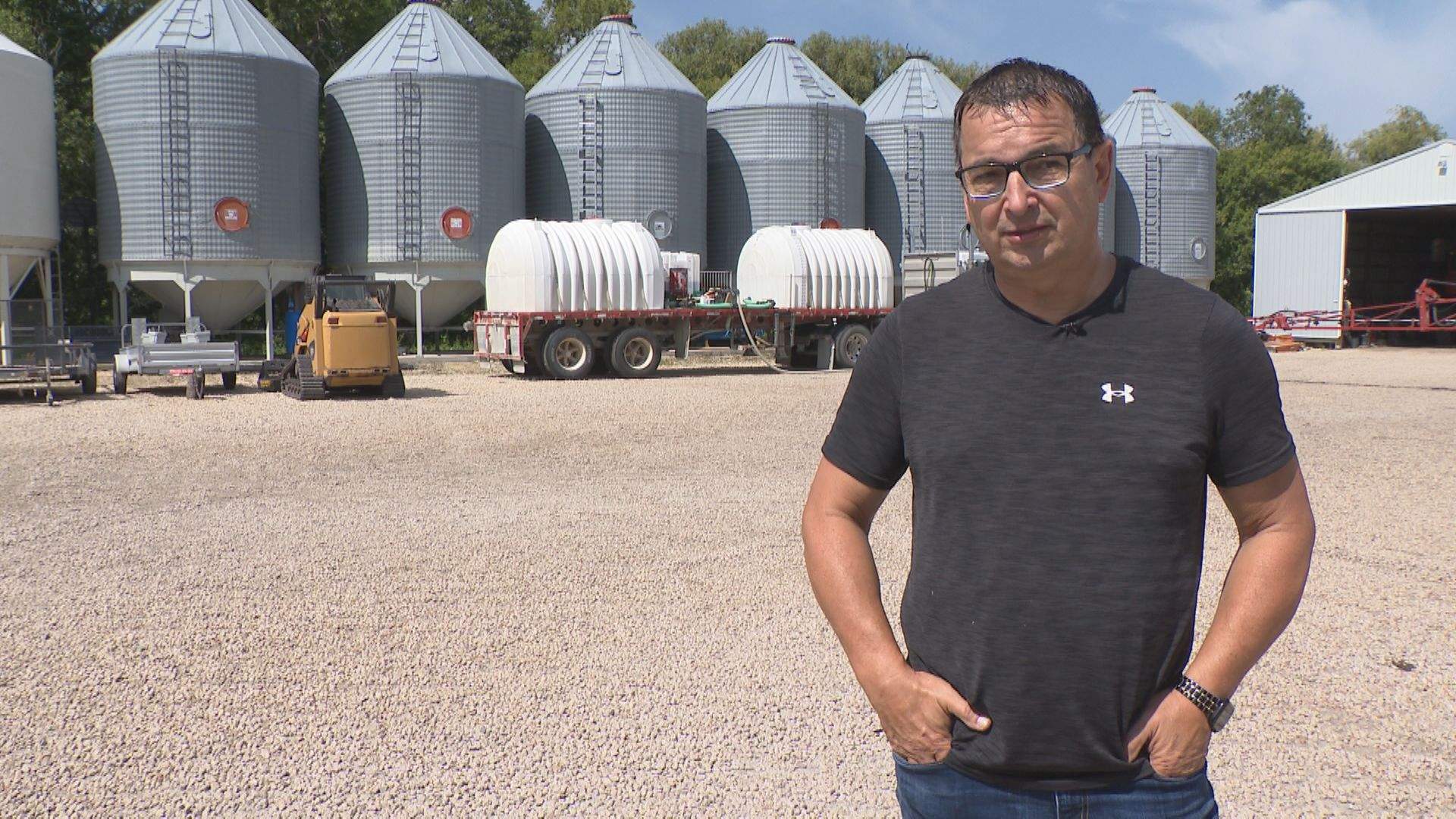
Celina Knuff, co-owner of Back to Nature Acres on Vancouver Island, shared her family's decision to move their blueberry, citrus, and animal farm approximately 6,000 kilometers east to Nova Scotia. "By the time I was nine, I had drawings – kind of where my farm and barn would be – where my crops would grow," Knuff recalled, highlighting a lifelong dream now threatened by economic realities.
The financial burden of farming in B.C. has become unsustainable for many. Knuff explained that the cost of a single one-bedroom condo on Vancouver Island was equivalent to purchasing a 50-acre farm in Nova Scotia. This significant disparity allows them to relocate their entire operation, including pets, livestock, and citrus trees, this September.
With the high land costs, it has just been a lot to be able to make that work.
Knuff noted that upon announcing their move on social media, they received messages from former B.C. farmers who had made similar transitions. These individuals reported finding greater opportunities and freedom in other provinces. "All of these different places that have just allowed them to have more land, more freedom and grow their families," Knuff said.
All of these different places that have just allowed them to have more land, more freedom and grow their families.
The exodus of farmers from B.C. raises concerns about the future of local food production. Emily Lowan, leader of the BC Green Party, warned that if current trends continue, the province could lose its ability to produce its own food. "Small farms will shutter and close. And we will become increasingly reliant on imports," she stated. B.C.'s agricultural minister acknowledged the challenges faced by new and young farmers, expressing empathy for those making difficult choices.
The reality is, if we continue down this path, we won’t, we won’t have food that is made in B.C. anymore.
DistantNews Editorial
Originally published by Global News in English. Translated, summarized, and contextualized by our editorial team with added local perspective. Read our editorial standards.
More Stories
From Our Blog

What Gets Lost (and Found) When News Is Translated

The Critical Role of Diaspora Media in Global News

What Travellers Should Know About Countries with Restricted Press

A Digital Nomad's Guide to Following Local News

How the Same Story Looks Different in Different Countries
