


B2B firms in South Korea tap into 'goods' market to boost brand appeal
Translated from Korean, summarized and contextualized by DistantNews.
At a glance
News
Sources not specified
Context piece
- South Korean B2B companies are launching "goods" businesses to increase consumer engagement.
- Companies like LS Global and Hanmi Semiconductor are selling merchandise, from copper bars to ceramics, to build brand recognition.
- This strategy aims to connect with consumers, including younger demographics and potential investors, and enhance corporate image.
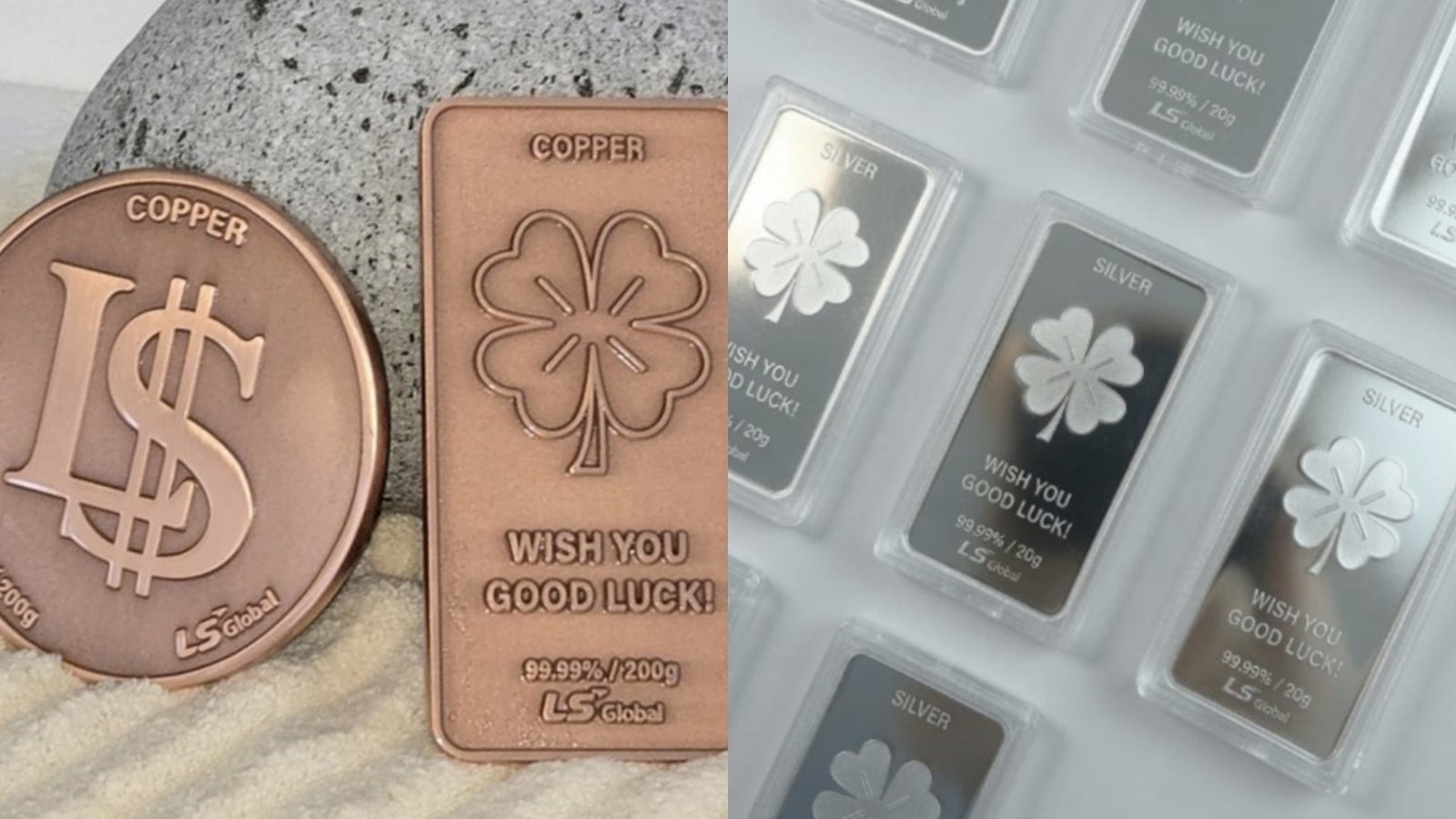
In a surprising move, business-to-business (B2B) companies in South Korea are venturing into the "goods" market, traditionally dominated by consumer-facing brands. Firms like LS Global Incorporated and Hanmi Semiconductor are now selling merchandise, ranging from copper bars to designer ceramics, as a strategy to broaden their reach to consumers and bolster brand recognition.
There were many low-priced products of unknown origin online, so I hesitated, but I bought it without hesitation because it was made by a trustworthy company. The finishing quality is excellent beyond expectations, and it is cleanly processed without a single fine scratch on the surface.
B2B companies typically supply raw materials, components, or equipment to other businesses, making them less familiar to the general public. To bridge this gap, these companies are adopting a direct-to-consumer (D2C) approach. LS Global, part of the LS Group, now offers "LS Copper Bars" and "LS Silver Bars" through its online store. These products, derived from the copper and silver produced during LS Group's smelting processes, allow consumers to interact with the company's refining capabilities in a tangible way, often as gifts or collectibles.
We aim to enhance corporate brand awareness and likability and expand communication channels with the public by providing products based on diverse brand identities.
Hanmi Semiconductor, a key player in the advanced semiconductor equipment sector, has also opened an official goods store. Collaborating with artist Philip Colbert, they offer a variety of items including clothing, stationery, toys, and even ceramic vases. Their best-selling item, a "Plastic Bag" featuring Colbert's "Lobsterman" character, sells for a mere 2,000 won and has proven particularly popular among shareholders. The company states this initiative aims to enhance brand awareness and likability while expanding communication channels with the public.
The character is so lovely. Let Hanmi Semiconductor take care of my old age.
This trend is not unique to South Korea. International B2B giants like Taiwan's TSMC and the Netherlands' ASML have also released branded merchandise, such as semiconductor circuit-patterned mugs and LEGO sets of their advanced equipment. Experts suggest that for B2B firms, this merchandise strategy is an effective way to promote the company and cultivate a positive image, especially among younger generations increasingly interested in stock investments. It also fosters a sense of belonging and loyalty among employees and shareholders.
Goods are a good way to foster a sense of belonging and loyalty to the company not only for employees but also for shareholders.
DistantNews Editorial
Originally published by Dong-A Ilbo in Korean. Translated, summarized, and contextualized by our editorial team with added local perspective. Read our editorial standards.
More Stories


From Our Blog

What Gets Lost (and Found) When News Is Translated

The Critical Role of Diaspora Media in Global News

What Travellers Should Know About Countries with Restricted Press

A Digital Nomad's Guide to Following Local News

How the Same Story Looks Different in Different Countries
