

Back to the people: Pakistan's politics resurfaces amid economic woes and upcoming polls
Translated from English, summarized and contextualized by DistantNews.
At a glance
Analysis
Sources not specified
Context piece
- Pakistani politics is drawing attention as economic woes and upcoming elections in Gilgit-Baltistan and Azad Kashmir highlight government challenges.
- The elections in Gilgit-Baltistan are scheduled for early June, with the ruling party in Islamabad typically favored, though local sentiment is uncertain.
- Discontent in Azad Kashmir, where elections are expected in July, is also a concern for the government, following past protests and negotiations.
Pakistani politics, often overshadowed by international events, is re-emerging as economic pressures mount and regional elections loom. Commentary has shifted from foreign policy successes to the domestic economic crisis, with inflation and upcoming budget concerns fueling public questions.
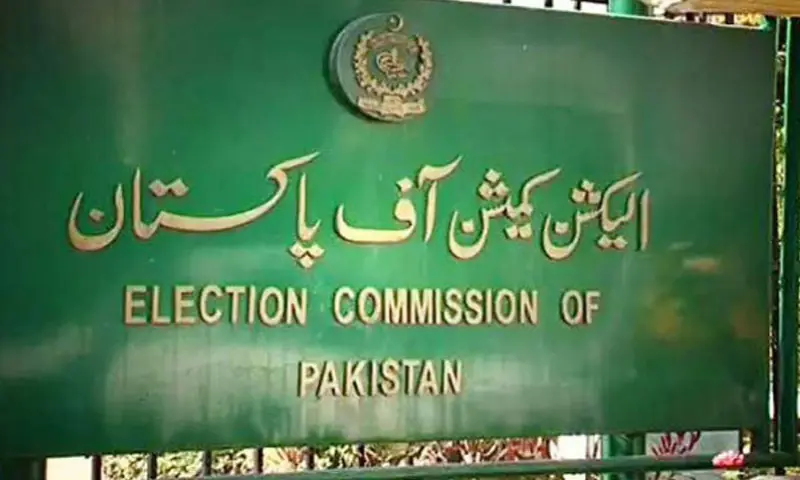
The impending elections in Gilgit-Baltistan, scheduled for early June after a four-month delay, are a focal point. While the party in power in Islamabad historically holds an advantage in these polls, local voters appear less certain, anticipating a mixed outcome possibly involving a coalition. The participation of the Istehkam-i-Pakistan Party adds another layer of complexity, with speculation about pre-election promises.
Concerns about the credibility of the electoral process have surfaced, with reports of restrictions on campaigning for certain parties, including the PTI. These tactics, described as "ham-handed," have paradoxically strengthened the perception of the PTI's popularity in the region.
Beyond party politics, the article points to a broader issue of the state's reluctance to grant space to ordinary citizens. Discontent in Azad Kashmir, where elections are slated for July, is palpable. Last year's protests, led by the Joint Awami Action Committee, were eventually addressed through negotiations, resulting in a change of government in the region. However, many of the protesters' demands remain unmet, indicating ongoing underlying tensions.
DistantNews Editorial
Originally published by Dawn in English. Translated, summarized, and contextualized by our editorial team with added local perspective. Read our editorial standards.
More Stories
From Our Blog

What Gets Lost (and Found) When News Is Translated

The Critical Role of Diaspora Media in Global News

What Travellers Should Know About Countries with Restricted Press

A Digital Nomad's Guide to Following Local News

How the Same Story Looks Different in Different Countries
