

Background to the Seventeenth Amendment of the Constitution: Rule of Law or Political Baton?
Translated from Hungarian, summarized and contextualized by DistantNews.
At a glance
Analysis
Named sources
New plan
- Hungary's ruling parties are proposing constitutional amendments, including term limits for prime ministers and parliamentary representatives.
- Critics argue these changes, particularly the "lex Orbán," are designed to politically neutralize opponents and consolidate power.
- The proposed creation of a National Asset Recovery and Protection Office also raises concerns about potential overreach and abuse of power.
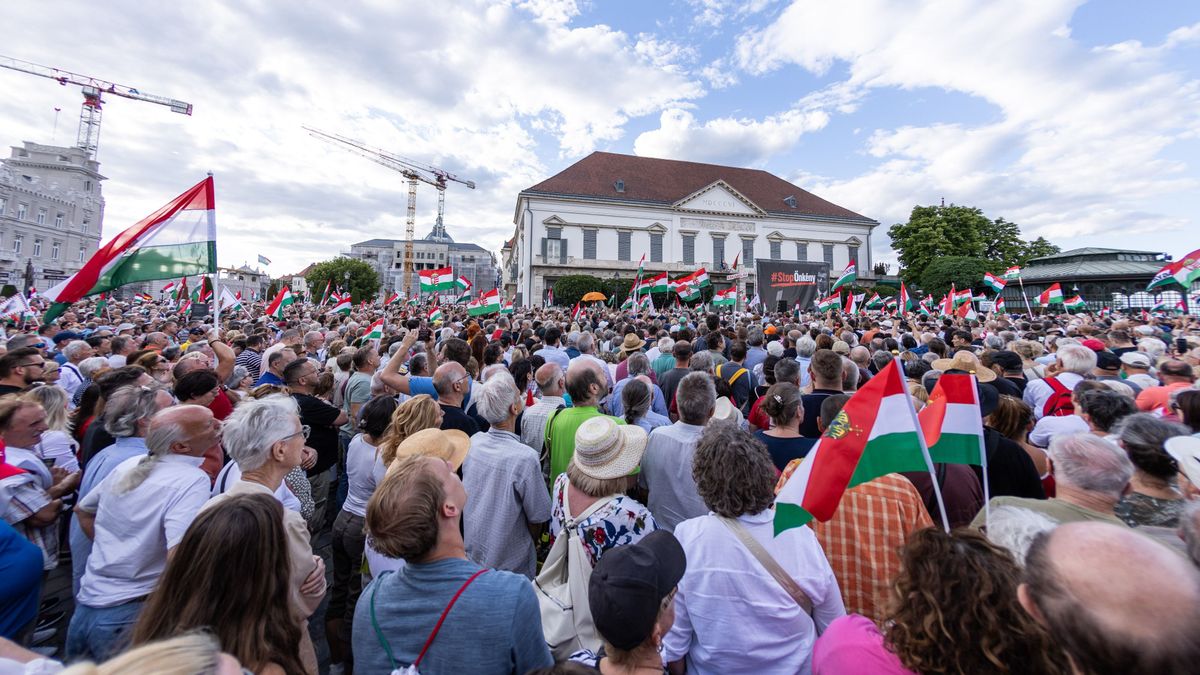
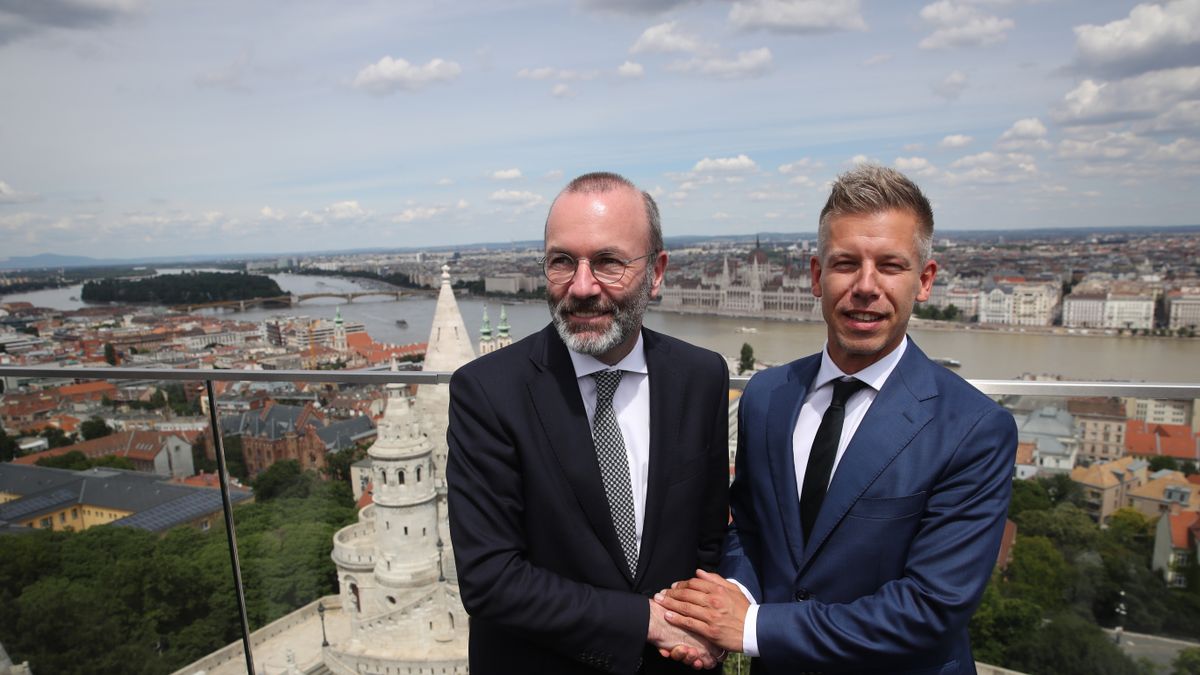
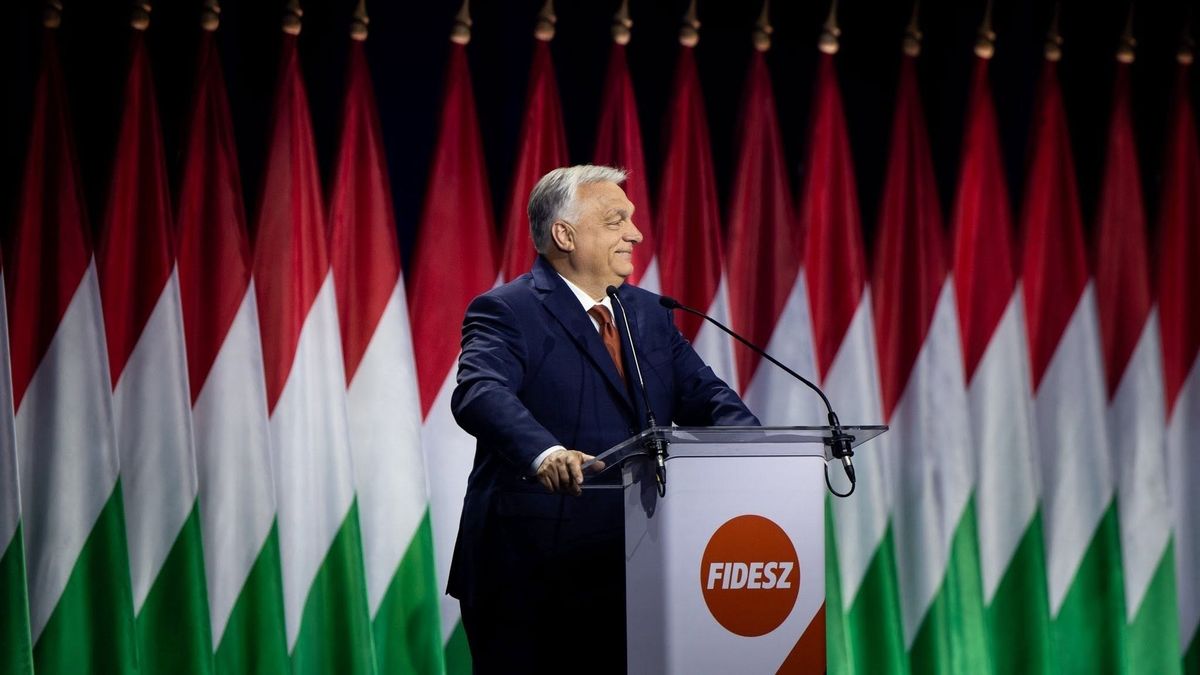
Hungary's government is pushing for significant constitutional amendments, sparking accusations that the proposed changes are politically motivated tools to suppress opposition and consolidate power. The most contentious element is the so-called "lex Orbán," which would cap the prime ministerial term at two cycles and parliamentary representation at 12 years. While framed as a democratic reform, critics argue this is a backward-looking regulation specifically targeting former Prime Minister Viktor Orbán and his political allies, aiming to prevent their return to power. Beyond term limits, the proposed legislation includes establishing a National Asset Recovery and Protection Office. This new body would wield extensive investigative powers, leading to fears that it could be used to harass ordinary citizens and small businesses. Critics warn that such an office could extend governmental control over various public institutions, potentially stifling dissent and independent economic activity. These proposed amendments come amid a backdrop of heightened political tension and a perceived shift in the international community's stance. For years, Hungary faced criticism from Brussels and international NGOs regarding the rule of law. However, with the emergence of figures like Péter Magyar challenging the established political order, some observers note a shift, with certain EU entities now appearing more receptive to releasing frozen funds, while domestic critics face increased scrutiny. The government's actions also extend to media control, with the parliamentary cultural committee appointing an interim CEO for public broadcaster MTVA. This move, intended to oversee a legal and financial review before a new appointment, has been questioned by the National Media and Infocommunications Authority (NMHH), which points to existing media laws that do not permit such government-initiated investigations. The proposed appointment of a budget commissioner to the NMHH by the ruling party further fuels concerns about undue influence over regulatory bodies.
DistantNews Editorial
Originally published by Magyar Nemzet in Hungarian. Translated, summarized, and contextualized by our editorial team with added local perspective. Read our editorial standards.
More Stories
From Our Blog

Countries Without a Free Press: What You Need to Know

What Press Freedom Means for the News You Read

What Gets Lost (and Found) When News Is Translated

The Critical Role of Diaspora Media in Global News

What Travellers Should Know About Countries with Restricted Press
