


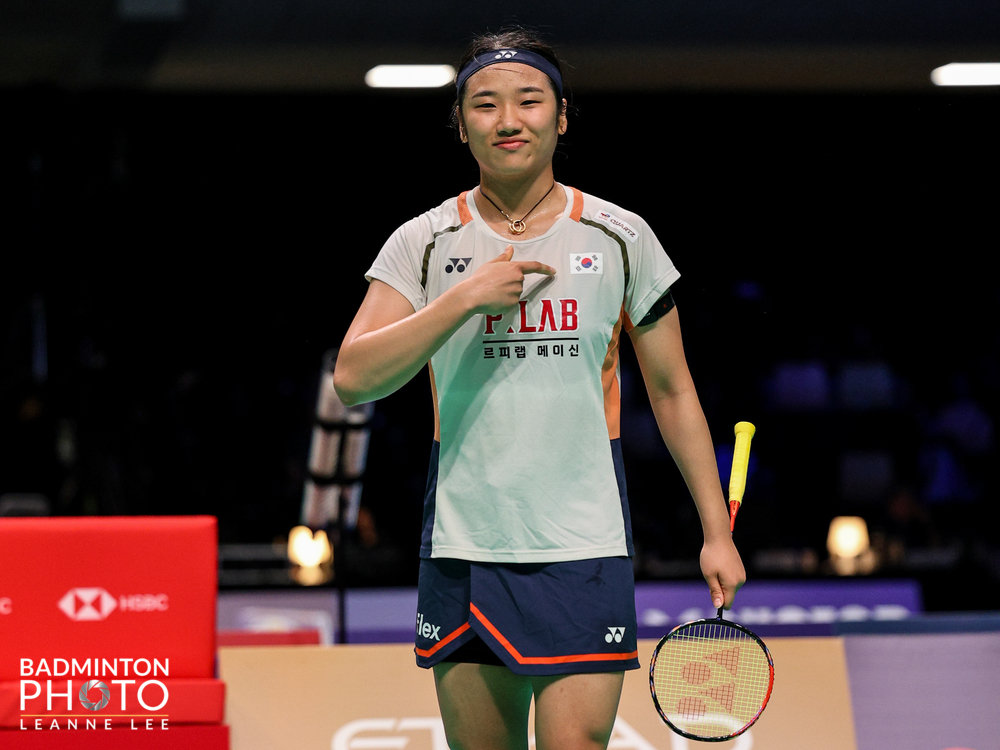
Badminton to Shift to 15 Points Per Set Next Year; Crisis or Opportunity for An Se-young?
Translated from Korean, summarized and contextualized by DistantNews.
TLDR
- Badminton will switch from a 21-point to a 15-point scoring system per set starting next year.
- The change, approved by the Badminton World Federation (BWF), aims to create more exciting and competitive matches.
- This shift may present challenges for Korean players like An Se-young and Seo Seung-jae, who rely on endurance and defense, but could also offer benefits in terms of player recovery.
The world of badminton is set for a significant transformation with the Badminton World Federation (BWF) announcing a shift from the current 21-point scoring system to a 15-point system per set, effective next year. This decision, ratified by a supermajority of member nations, marks the end of an era for the 21-point format that has been in place for two decades since its introduction in 2006. BWF President Poul-Erik Høyer Larsen expressed optimism, stating that the new system will deliver more thrilling and competitive encounters, potentially increasing fan engagement through more dramatic finishes.
The new system will provide more exciting and competitive badminton matches.
However, this rule change is not without its potential drawbacks, particularly for nations like South Korea, which have excelled under the previous system. Our top players, including women's singles world No. 1 An Se-young and men's doubles No. 1 pair Seo Seung-jae and Kim Won-ho, have built their dominance on a foundation of exceptional stamina and tenacious defense, often outlasting opponents in grueling rallies. The reduction in points per set could diminish the impact of these strengths, as a few early mistakes might now have a more decisive effect on the outcome of a match. This necessitates a strategic adjustment in training and gameplay to adapt to the faster pace.
Beyond heightening the tension in crucial moments, it will create more dramatic endings, increasing fan immersion.
Despite these concerns, the new 15-point system also presents opportunities. For athletes like An Se-young, who has faced challenges with injuries partly due to the demanding physical toll of long matches, a shorter game format could lead to better load management and reduced fatigue. National team coach Park Joo-bong acknowledged this duality, noting that while the change requires adaptation, it could also be beneficial for player well-being. From our perspective, this shift is a bold move by the BWF to innovate the sport. While we must prepare our athletes for the new reality, we also recognize the potential for increased dynamism and excitement, which could ultimately benefit badminton's global appeal. The key will be how effectively our players, known for their adaptability, can harness this change to their advantage.
An Se-young, Seo Seung-jae, and Kim Won-ho mainly win in the second half, so we will have to change our training methods to adapt to the new system.
DistantNews Editorial
Originally published by Dong-A Ilbo in Korean. Translated, summarized, and contextualized by our editorial team with added local perspective. Read our editorial standards.
More Stories


From Our Blog

What Gets Lost (and Found) When News Is Translated

The Critical Role of Diaspora Media in Global News

What Travellers Should Know About Countries with Restricted Press

A Digital Nomad's Guide to Following Local News

How the Same Story Looks Different in Different Countries
