

Ball Chip Technology Aids VAR in Disallowing Croatian Equalizer Against Portugal at World Cup
Translated from Danish, summarized and contextualized by DistantNews.
At a glance
News
Sources not specified
Context piece
- A chip in the ball helped VAR disallow a Croatian equalizer against Portugal in the World Cup.
- Connected ball technology uses sensors to track ball movement and player positions.
- Croatia's coach criticized VAR for removing the joy from football, while Portugal's coach defended the decision.
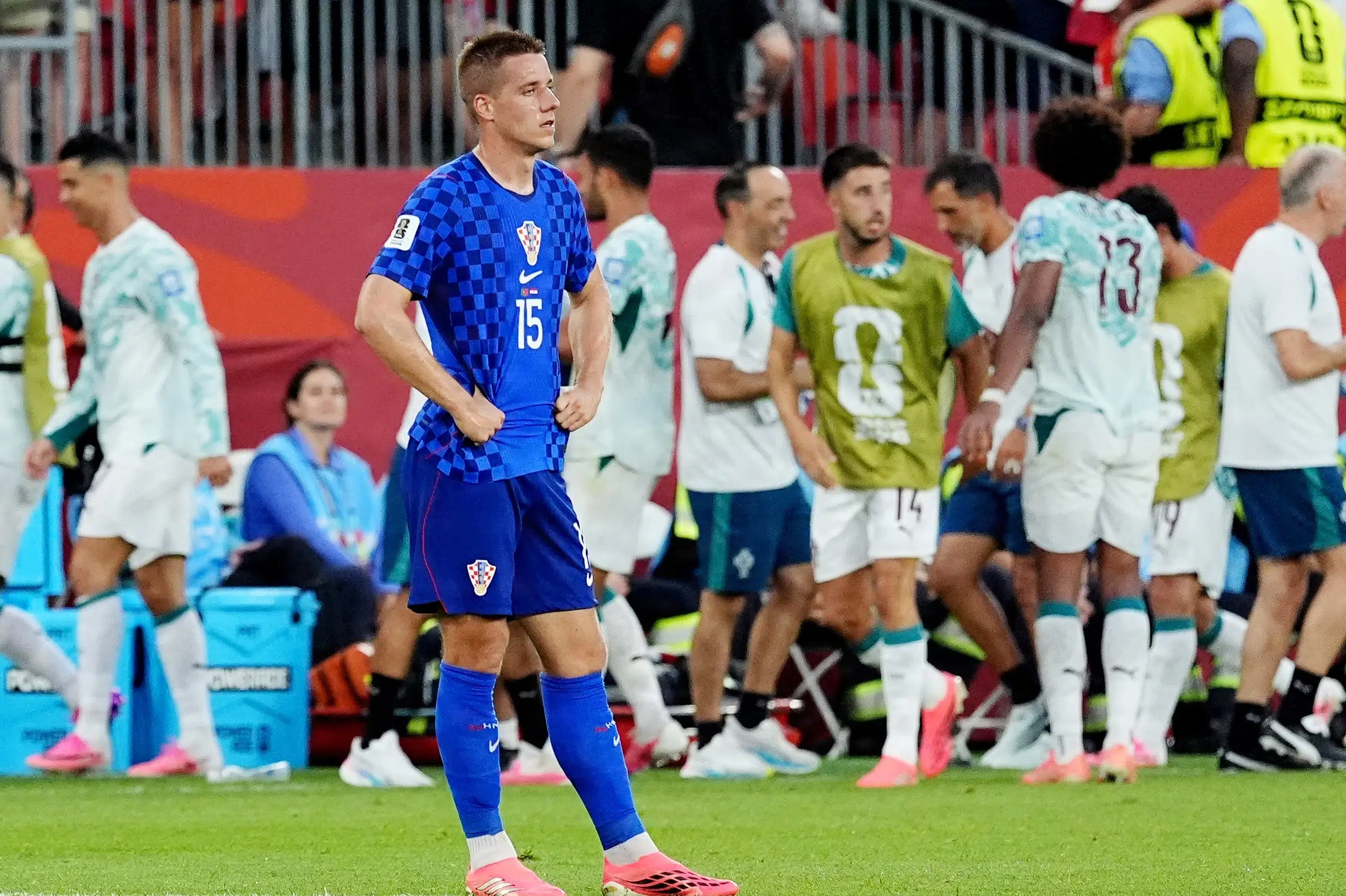
A controversial decision involving a chip in the ball ultimately disallowed a late Croatian equalizer against Portugal in the World Cup, with VAR technology playing a pivotal role. The goal, scored by Joško Gvardiol in stoppage time, was initially celebrated but later overturned due to an offside call.
The technology, known as connected ball technology, utilizes sensors within the ball to collect data 500 times per second. This data, combined with tracking information from stadium cameras, helps VAR officials determine offside positions and other critical decisions. In this instance, the technology indicated that Igor Matanović had touched the ball with his head before it reached Mario Pašalić, who was in an offside position.
Croatian national coach Zlatko Dalić expressed strong criticism of VAR after the match, stating that such decisions "take the joy out of football." He lamented the immediate emotional impact of these calls. However, Portuguese coach Roberto Martínez defended the ruling, emphasizing that it was not a subjective judgment. He pointed to the ball chip data confirming Matanović's touch and Pašalić's offside position.
This incident is not the first time connected ball technology has influenced a World Cup match. Earlier in the tournament, a Swedish goal was disallowed for offside, but the ball chip data later revealed the player was onside. The technology aims to provide greater accuracy in offside decisions, though its application continues to spark debate among coaches and fans.
DistantNews Editorial
Originally published by Berlingske in Danish. Translated, summarized, and contextualized by our editorial team with added local perspective. Read our editorial standards.
More Stories


From Our Blog

What Gets Lost (and Found) When News Is Translated

The Critical Role of Diaspora Media in Global News

What Travellers Should Know About Countries with Restricted Press

A Digital Nomad's Guide to Following Local News

How the Same Story Looks Different in Different Countries
