


Ballot paper shortage hurts South Korea's reputation as model democracy: President Lee
Summarized and contextualized by DistantNews.
At a glance
News
Named sources
Outcome reported
- South Korean President Lee Jae Myung stated ballot paper shortages in recent local elections damaged the nation's democratic reputation.
- Thousands protested the shortage, demanding a new election, and the head of the National Election Commission resigned.
- The commission cited printing issues and slow distribution, while Lee ordered an investigation into potential criminal responsibility.
South Korean President Lee Jae Myung declared on Monday that ballot paper shortages during last week's local elections severely damaged the country's standing as a model democracy. He acknowledged the protests questioning the election's fairness.
"It was just ridiculous," Lee said at a news conference, describing the June 3 incident where voters waited hours for ballot papers. "It was probably something that's hard for even people in a lesser developed democracy to imagine that people couldn't vote because they didn't have ballot papers. Shocking."
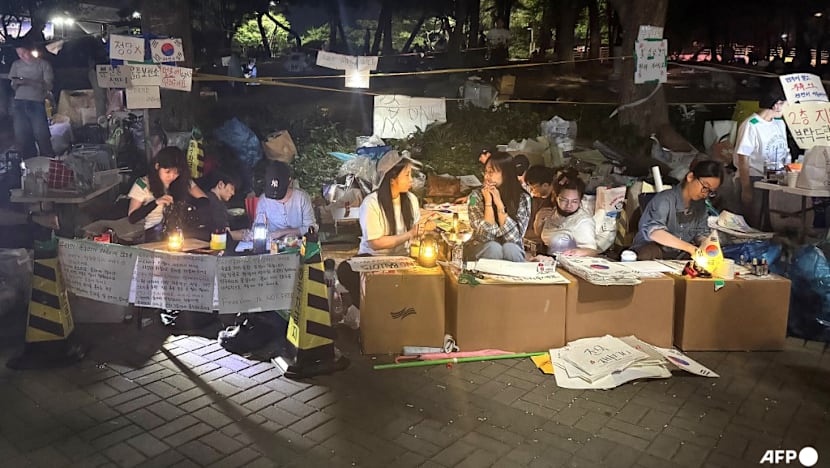
Thousands, many in their 20s and 30s, protested outside a Seoul ballot counting station, calling for a new election. The head of the independent National Election Commission (NEC) resigned to accept responsibility. The NEC admitted printing enough papers for only 73 percent of eligible voters based on past turnout, and some polling stations experienced delays in receiving additional supplies.
President Lee has ordered a thorough investigation, and the ruling Democratic Party plans a national inquiry. Lee suggested the NEC's guaranteed independence may have led to complacency, exposing flaws in election management. While not indicating fraud, he noted potential criminal responsibility for some individuals. The elections saw the Democratic Party perform strongly in provincial and local races, while the conservative opposition held onto the Seoul mayoralty.
It was just ridiculous. It was probably something that's hard for even people in a lesser developed democracy to imagine that people couldn't vote because they didn't have ballot papers. Shocking.
DistantNews Editorial
Originally published by CNA. Summarized and contextualized by our editorial team with added local perspective. Read our editorial standards.
More Stories


From Our Blog

What Gets Lost (and Found) When News Is Translated

The Critical Role of Diaspora Media in Global News

What Travellers Should Know About Countries with Restricted Press

A Digital Nomad's Guide to Following Local News

How the Same Story Looks Different in Different Countries
