


Balochistan carnage
Summarized and contextualized by DistantNews.
At a glance
News
Sources not specified
Context piece
- Balochistan faces escalating terrorist violence, with recent attacks claiming the lives of security forces and civilians.
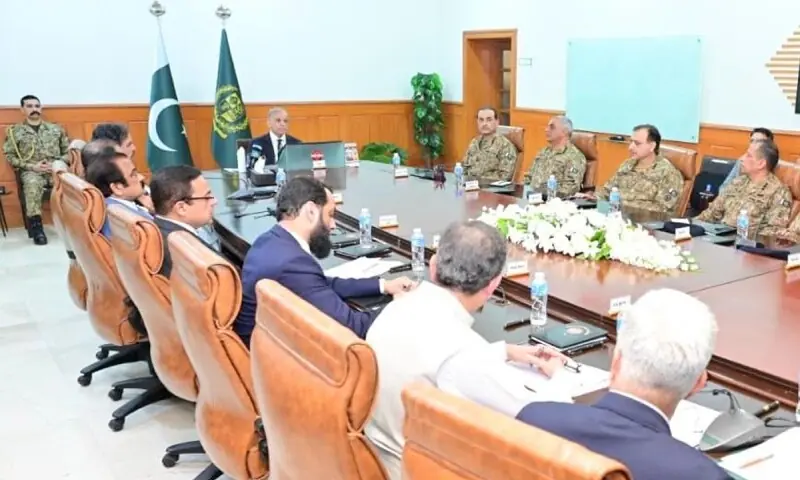
- Pakistan's top civilian and military leaders convened in Quetta to address the deteriorating security situation.
- The government is pursuing kinetic action against terrorists while emphasizing the need for a political solution and addressing socioeconomic issues to achieve lasting peace.
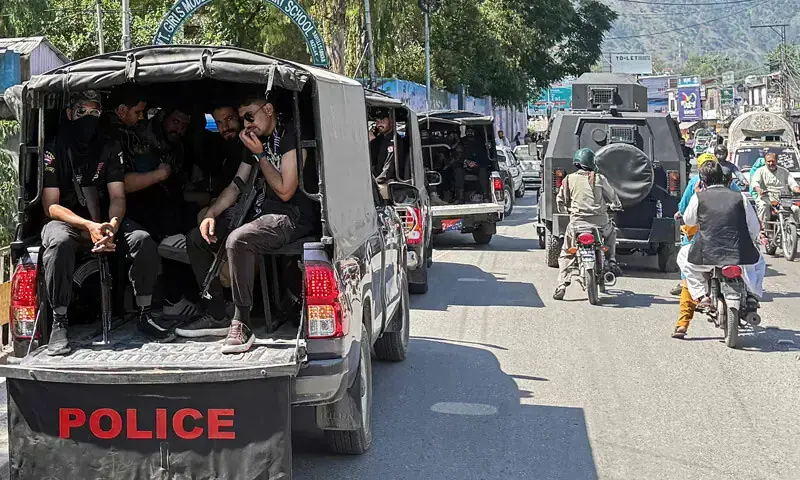
Balochistan is grappling with a disturbing surge in terrorist violence, which has led to significant casualties among security forces and civilians. The gravity of the situation prompted a high-level meeting in Quetta, attended by Pakistan's prime minister and chief of defence forces, to assess the security landscape.
hostile foreign forces were involved in Balochistan’s violence.
The chief of the Inter-Services Public Relations (ISPR) recently briefed the media on the law and order challenges in the province. He detailed a series of deadly attacks since July 5, including four civilian deaths in Hanna Urak, at least 27 police fatalities in Ziarat, and 11 soldiers killed in Bela-Winder. While retaliatory operations resulted in the elimination of several terrorists, the military attributed the Ziarat attack to the banned Tehrik-i-Taliban Pakistan (TTP) and the Bela ambush to the proscribed Baloch Liberation Army (BLA).
Both military and civilian leadership have pointed to the involvement of hostile foreign forces in fueling the violence. The Chief of Defence Staff specifically indicated the role of "state-sponsored... hostile intelligence agencies" in destabilizing Pakistan. This suggests a complex threat landscape where ideologically disparate groups like the TTP and BLA are both contributing to the bloodshed, potentially with external backing.
state-sponsored … hostile intelligence agencies
While acknowledging the necessity of "kinetic action" to dismantle terrorist infrastructure and restore state authority, the article stresses that a long-term solution for Balochistan lies in a "serious political strategy." This involves engaging in dialogue with Baloch nationalists and other stakeholders who are committed to the Constitution and non-violent means. Furthermore, addressing the province's socioeconomic disparities, including poverty and inequality, is crucial to stem the flow of recruits to terrorist organizations.
serious political strategy
DistantNews Editorial
Originally published by Dawn. Summarized and contextualized by our editorial team with added local perspective. Read our editorial standards.
More Stories
From Our Blog

What Gets Lost (and Found) When News Is Translated

The Critical Role of Diaspora Media in Global News

What Travellers Should Know About Countries with Restricted Press

A Digital Nomad's Guide to Following Local News

How the Same Story Looks Different in Different Countries
