



Bangladesh and the Mecca pact: Redrawing South Asia’s security geography
Translated from English and summarized by DistantNews. Read the original for the full story.
At a glance
Analysis
Sources not specified
Context piece
- Bangladesh’s possible entry into the Mecca Joint Defense Agreement would add a second South Asian member alongside Pakistan and place the pact beside India’s northeastern states and the Bay of Bengal.
- The arrangement could affect India’s calculations in a future India-Pakistan crisis, although the pact’s military obligations remain unclear.
- Critics in Bangladesh question whether formal defense commitments fit the country’s tradition of non-alignment and warn against involvement in disputes outside South Asia.
Bangladesh’s possible entry into the Mecca Joint Defense Agreement would do more than expand the membership of a new military pact. It could change the agreement’s geographical and political character by adding a second South Asian member beside Pakistan.
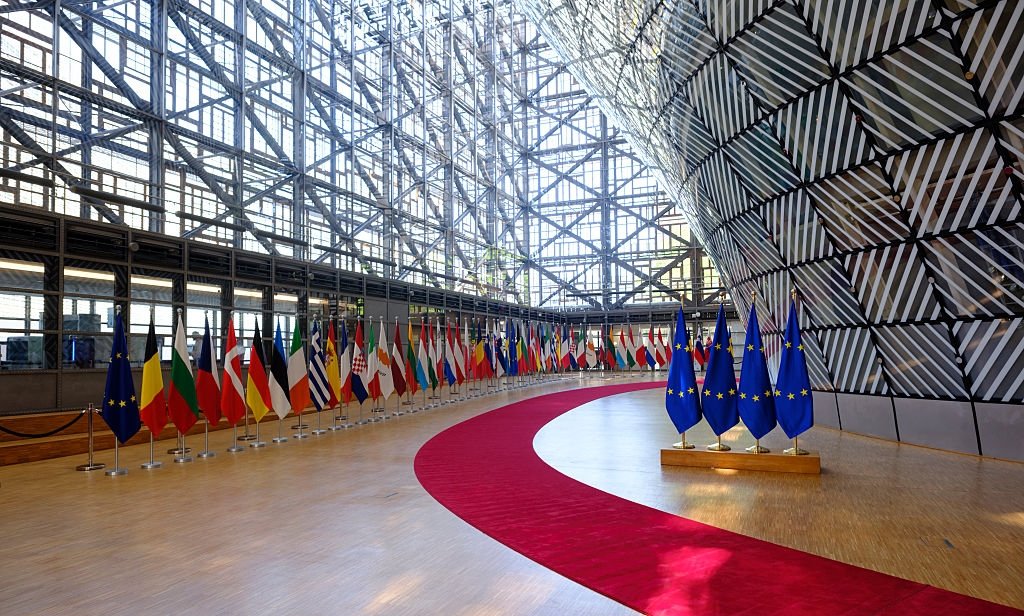
The pact currently links Türkiye, Saudi Arabia and Pakistan. Türkiye connects it to the Eastern Mediterranean and NATO, Saudi Arabia anchors it in the Gulf, and Pakistan brings South Asia into the framework. Bangladesh would add a country beside India’s northeastern states and the Bay of Bengal, giving the arrangement a particularly sensitive regional dimension.
South Asia and the Middle East are often treated as separate strategic theaters, but their ties are already close. Gulf economies rely heavily on South Asian labor, while energy, remittances and maritime trade connect the regions. Türkiye’s expanding military-industrial partnerships across Asia are adding a defense dimension to those links, and the Mecca pact could formalize that trend.
The immediate consequences would be felt in India. Bangladeshi membership would not automatically require Dhaka to fight alongside Pakistan in a future India-Pakistan conflict. The pact follows a collective-defense principle, but its precise obligations and the freedom members would retain during a crisis still need clarification. Even without direct military involvement, New Delhi would have to include the pact in its calculations. Pakistan could potentially receive intelligence, weapons, logistical help, air-defense support or coordinated diplomatic backing from its partners during a new crisis.
Bangladesh’s own foreign-policy debate is more complicated. Critics question whether joining a formal defense arrangement fits Dhaka’s long-standing non-alignment. They also see a mismatch between Bangladesh’s immediate security concerns and those of Türkiye, Saudi Arabia and Pakistan, warning that the country could be drawn into disputes originating far from South Asia. Bangladesh maintains important interests with India, China, the United States, Japan and other partners whose priorities may not match those of the pact’s founding members.
About this summary
Originally published by Daily Sabah in English. Translated, summarized, and contextualized automatically by DistantNews, with a note on how the source frames the story. Not individually reviewed before publishing. How this works.
More Stories
From Our Blog

News in Translation: What Gets Lost, and How We Keep the Framing

Diaspora Media: How Communities Follow News From Home

Traveling Where the Press Is Not Free: How to Read the News There

The Digital Nomad's Guide to Local News

The Same Story, Different Countries: How Coverage Changes at the Border
