


Bangladesh floods devastate communities as Oxfam scales up response
Translated from English, summarized and contextualized by DistantNews.
At a glance
News
Sources not specified
Ongoing story
- Heavy monsoon rains and upstream runoff have caused severe floods and landslides across Bangladesh since July 4, affecting over 1.1 million people.
- The Chattogram region and Rohingya refugee camps in Cox's Bazar are among the hardest-hit areas, with widespread damage to homes, infrastructure, and livelihoods.
- Oxfam is scaling up its response, providing essential aid like safe drinking water, food, shelter, and hygiene kits to affected communities, while recovery efforts will require extensive repairs.
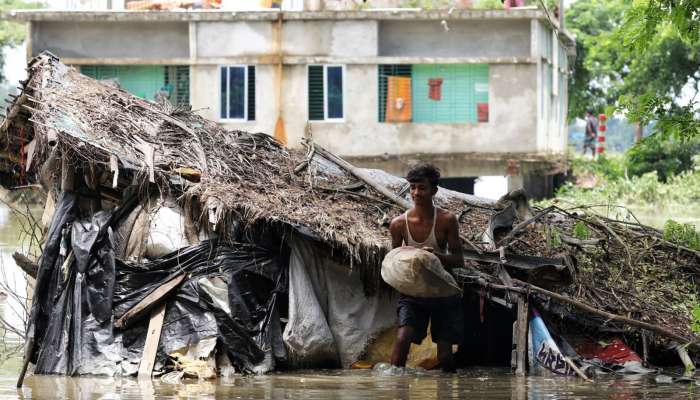
Bangladesh is grappling with devastating floods and landslides that have impacted over 1.1 million people since early July. Heavy monsoon rainfall and runoff from upstream have saturated the country, leading to widespread waterlogging and destruction.
The southern port city of Chattogram and the densely populated Rohingya refugee camps in Cox's Bazar are experiencing the most severe consequences. In Chattogram, families have lost homes, income sources, and access to basic services like safe drinking water and sanitation. The situation in Cox's Bazar is particularly acute, with Rohingya families living in fragile conditions on hillsides facing heightened risks of flooding and landslides.
"This is one emergency unfolding across two distinct contexts," said Anil Pant, Country Director of Oxfam in Bangladesh. "The floods and their cascading impacts have severely disrupted people's lives and livelihoods." He highlighted the loss of homes, income, and essential services for families in affected districts.
This is one emergency unfolding across two distinct contexts. The floods and their cascading impacts have severely disrupted people's lives and livelihoods. In Chattogram and other affected districts, families have lost homes, income and access to safe drinking water and sanitation. In Cox's Bazar, the danger is especially acute, as Rohingya families live in densely populated camps on fragile slopes, with limited space for safe relocation and heightened exposure to flooding and landslides.
The disaster has claimed at least 53 lives and injured 39 others as of July 14, displacing thousands. Infrastructure damage is extensive, with roads, embankments, water points, and latrines destroyed. Croplands, fisheries, and businesses have also suffered significant losses, leaving many families isolated in submerged communities and struggling to access food and clean water.
Oxfam is intensifying its relief efforts, focusing on immediate needs such as safe drinking water, emergency food supplies, shelter materials, hygiene kits, and cash assistance. The damage to thousands of water points and latrines raises serious concerns about the potential for waterborne diseases. Long-term recovery will necessitate substantial repairs to damaged homes and WASH facilities, alongside support for rebuilding livelihoods.
The water rose so quickly that we could save almost nothing. Our food, bedding and cooking utensils are gone, and finding clean water has become very difficult. We need food, safe drinking water and support to repair our home so that our family can start again.
DistantNews Editorial
Originally published by Times of Oman in English. Translated, summarized, and contextualized by our editorial team with added local perspective. Read our editorial standards.
More Stories

From Our Blog

What Gets Lost (and Found) When News Is Translated

The Critical Role of Diaspora Media in Global News

What Travellers Should Know About Countries with Restricted Press

A Digital Nomad's Guide to Following Local News

How the Same Story Looks Different in Different Countries
