

Bangladesh's gas crisis cripples factories, homes, and transport
Translated from English, summarized and contextualized by DistantNews.
At a glance
News
From a news agency
Context piece
- Bangladesh faces a severe natural gas crisis, leading to shutdowns in key industries like fertilizer and textiles, and widespread power outages.
- The crisis stems from declining production in aging fields, increased demand, and disrupted imports due to the US-Iran war.
- Factories are idle, workers are jobless, and households struggle with fuel shortages and blackouts, impacting food security and export earnings.
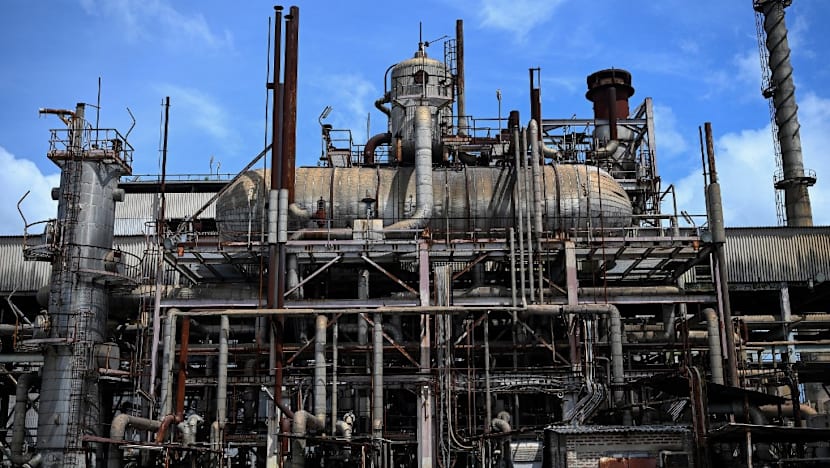
Bangladesh's vital Ashuganj fertiliser factory has stood silent for over a year, a stark symbol of the nation's crippling natural gas crisis. Once a hub of activity producing urea for farmers feeding 170 million people, the state-owned facility is now a rusting shell. It closed in March 2025, unable to secure the natural gas essential for its operations.
Only the skeleton of the factory remains. It has lost its life.
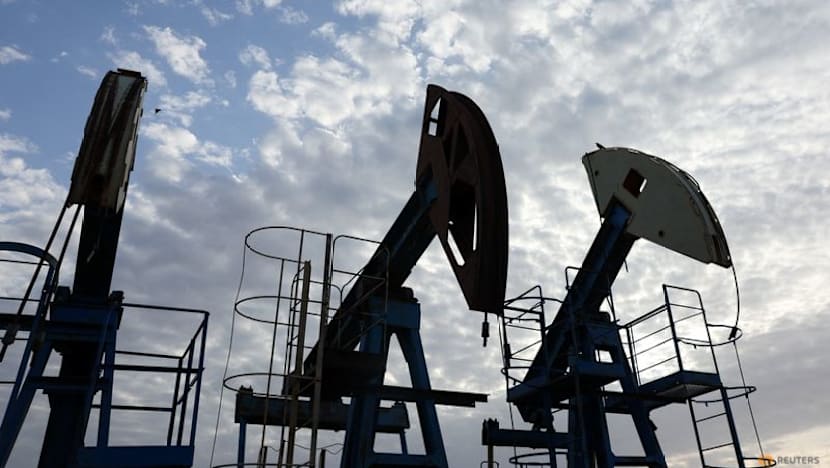
The crisis has a dual cause: declining production from aging domestic gas fields, exacerbated by underinvestment and exploration failures, and disrupted imports, particularly from the Middle East, due to the ongoing US-Iran conflict. This confluence of factors has choked off supply, leaving industries struggling.
The Ashuganj factory, which once employed over 1,200 people and produced more than 1,000 tonnes of fertilizer daily, is just one of six major urea fertilizer plants forced to close or reduce operations. Trade union leader Md Abu Kawsar lamented the job losses and the threat to food security, stating, "You cannot simply let these factories sit idle and allow them to deteriorate."
You cannot simply let these factories sit idle and allow them to deteriorate. Reviving them could also help save foreign currency.
The impact extends far beyond fertilizer. Hundreds of factories, including crucial textile plants that account for 80 percent of Bangladesh's export earnings, are cutting production or shutting down. Power generation, heavily reliant on gas, is struggling to meet demand, resulting in frequent blackouts across the country. The government has implemented electricity-saving measures, such as ordering shopping malls to close earlier.
DON’T GET A DROP
Even households, consuming just over a tenth of the nation's gas, are severely affected. "We don't get a drop of gas overnight," said housewife Nargis Begum. Low pressure often prevents the use of multiple burners simultaneously. Many have resorted to wood-burning stoves, and the persistent electricity cuts leave residents without relief from the sweltering humidity.
Then sometimes the pressure is too low. We can't turn on two burners at the same time.
DistantNews Editorial
Originally published by CNA in English. Translated, summarized, and contextualized by our editorial team with added local perspective. Read our editorial standards.
More Stories


From Our Blog

What Gets Lost (and Found) When News Is Translated

The Critical Role of Diaspora Media in Global News

What Travellers Should Know About Countries with Restricted Press

A Digital Nomad's Guide to Following Local News

How the Same Story Looks Different in Different Countries
