

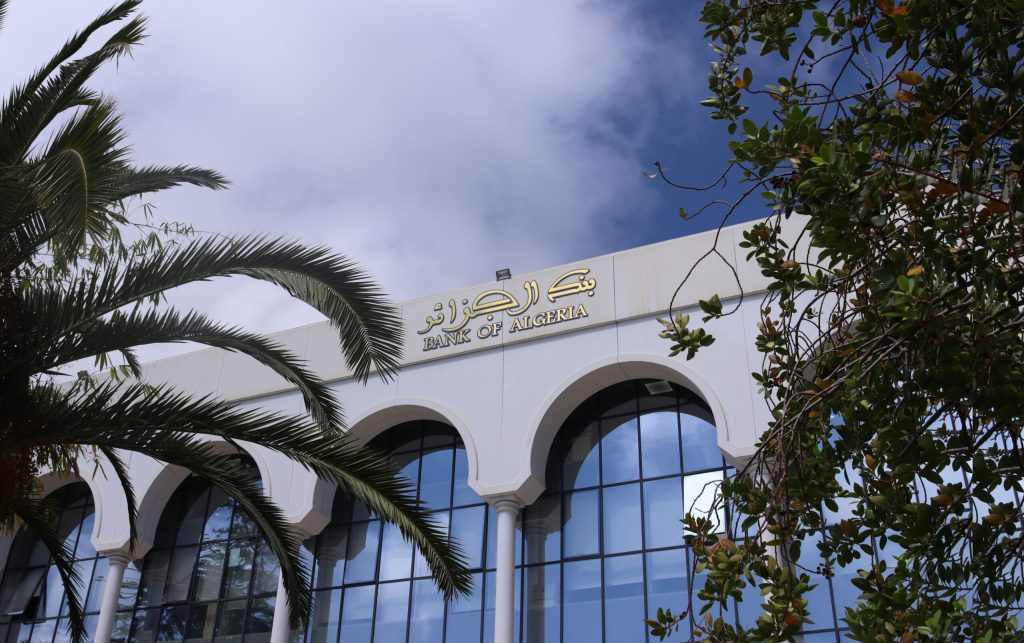
Bank of Algeria's colossal balance sheet: between numerical power and transformation challenges
Translated from French, summarized and contextualized by DistantNews.
At a glance
News
Official statement
New plan
- The Bank of Algeria's balance sheet reached 21.11 trillion dinars as of November 30, 2025, showing financial strength but deep ties to public debt.
- Gold reserves stand at 173.56 tons, making Algeria the largest holder in Africa, while foreign currency assets total 1.36 trillion dinars.
- The balance sheet is heavily weighted towards state-issued financial securities, reflecting the government's reliance on central bank financing to cover budget deficits.
The Bank of Algeria's financial statement as of November 30, 2025, reveals a balance sheet totaling 21.11 trillion dinars. While this indicates financial solidity, the structure highlights a deep connection to public debt and a continuously expanding fiduciary money supply. The central bank's assets include a significant portion of gold, amounting to 3.02 trillion dinars, positioning Algeria as the leading holder of gold reserves on the African continent with 173.56 tons.
Foreign currency holdings are reported at 1.36 trillion dinars, supplemented by 559.77 billion dinars in International Monetary Fund Special Drawing Rights. These foreign exchange assets were valued at approximately $10 billion USD at the end of September 2025. However, the most substantial asset category consists of financial securities issued or guaranteed by the state, totaling 8.16 trillion dinars. This includes 5.61 trillion dinars under a 2003 ordinance and 2.55 trillion dinars from the 2023 finance law, alongside 1.08 trillion dinars in advances to the state for current operations.
The liabilities side of the balance sheet is dominated by currency in circulation, with 9.65 trillion dinars in banknotes and coins. This figure underscores the vast amount of physical money circulating within or bypassing the formal economy. Monthly balance sheet analyses from 2024 show a consistent increase in this cash circulation, from 8.21 trillion dinars in January to over 9 trillion dinars by November. This indicates an abundant but potentially misdirected liquidity within the economy, with a focus on cash rather than productive transformation.
DistantNews Editorial
Originally published by El Watan in French. Translated, summarized, and contextualized by our editorial team with added local perspective. Read our editorial standards.
More Stories

From Our Blog

What Gets Lost (and Found) When News Is Translated

The Critical Role of Diaspora Media in Global News

What Travellers Should Know About Countries with Restricted Press

A Digital Nomad's Guide to Following Local News

How the Same Story Looks Different in Different Countries
