


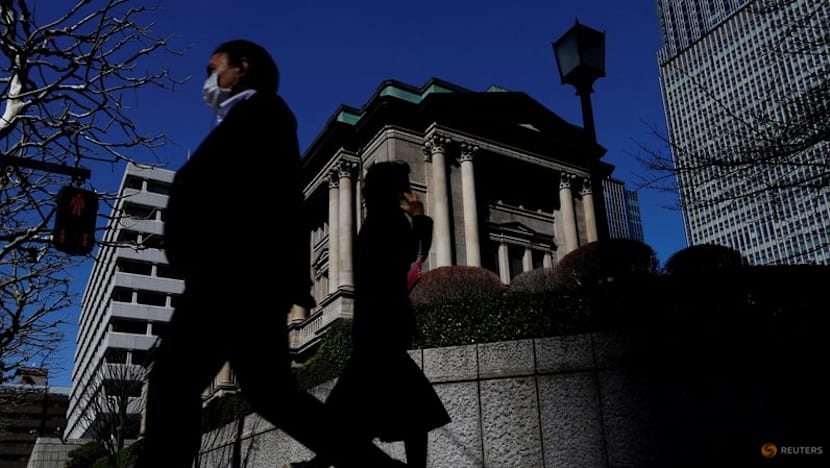
Bank of Japan hikes interest rate to 31-year high amid inflation concerns
Translated from English, summarized and contextualized by DistantNews.
At a glance
News
Sources not specified
New plan
- The Bank of Japan raised its benchmark interest rate by 25 basis points to 1 percent, the highest level since 1995, in an effort to combat inflation.
- This move follows similar rate hikes by the European Central Bank and Bank Indonesia, driven by global economic disruption and rising prices from the Middle East conflict.
- Japan, which relied heavily on Middle East crude oil, has also faced challenges from a depreciating yen, exacerbated by the conflict and interest rate differentials.
In a significant move to curb rising inflation, the Bank of Japan (BoJ) announced Tuesday it is hiking its benchmark interest rate by 25 basis points to 1 percent. This decision marks the highest interest rate in Japan since 1995 and is the first increase since December, signaling a shift in monetary policy amid persistent price pressures.
The BoJ's action aligns with a global trend of central banks tightening monetary policy. The European Central Bank and Bank Indonesia implemented rate increases last week, responding to economic turmoil and escalating prices worldwide, largely attributed to the ongoing Middle East conflict. Expectations are also mounting for the U.S. Federal Reserve to follow suit, despite upcoming policy meetings.
Japan, heavily dependent on the Middle East for approximately 90 percent of its crude oil supplies before the conflict began in February, has seen its economic challenges compounded by a weakening yen. The currency's depreciation is linked to rising oil prices and the widening gap between U.S. and Japanese interest rates, which have remained among the lowest globally. The Japanese government has already spent approximately 11.7 trillion yen (US$72 billion) in the past month to support the currency.
While the yen saw a brief jump against the dollar following the BoJ's announcement, the gains were largely short-lived. Analysts had anticipated the rate hike, with some noting that delaying the increase could further disappoint financial markets and accelerate yen depreciation. The BoJ's decision appears to be based on a diminished view of downside risks to its economic forecasts and a potential for continued rise in underlying inflation.
Despite the move, the BoJ may seek to avoid an overly aggressive stance to prevent friction with the administration. However, internal dissent is possible, as three of the nine board members voted against maintaining the previous rate at the last meeting. Markets will be closely watching for further clues on the BoJ's future policy direction.
The BoJ "can't delay increasing its policy rate". Doing so would disappoint financial markets and invite further yen depreciation.
DistantNews Editorial
Originally published by CNA in English. Translated, summarized, and contextualized by our editorial team with added local perspective. Read our editorial standards.
More Stories



From Our Blog

What Gets Lost (and Found) When News Is Translated

The Critical Role of Diaspora Media in Global News

What Travellers Should Know About Countries with Restricted Press

A Digital Nomad's Guide to Following Local News

How the Same Story Looks Different in Different Countries
