

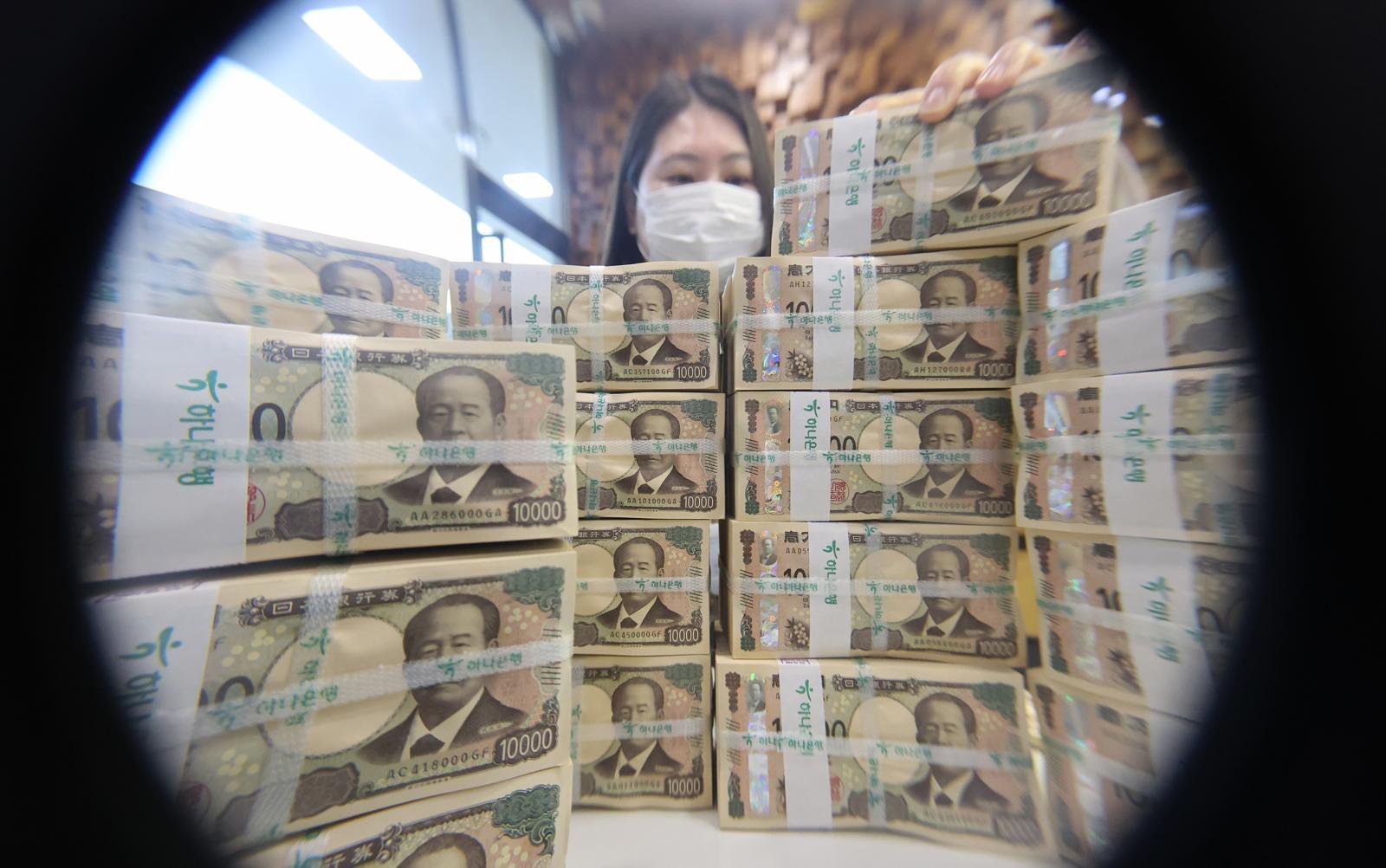
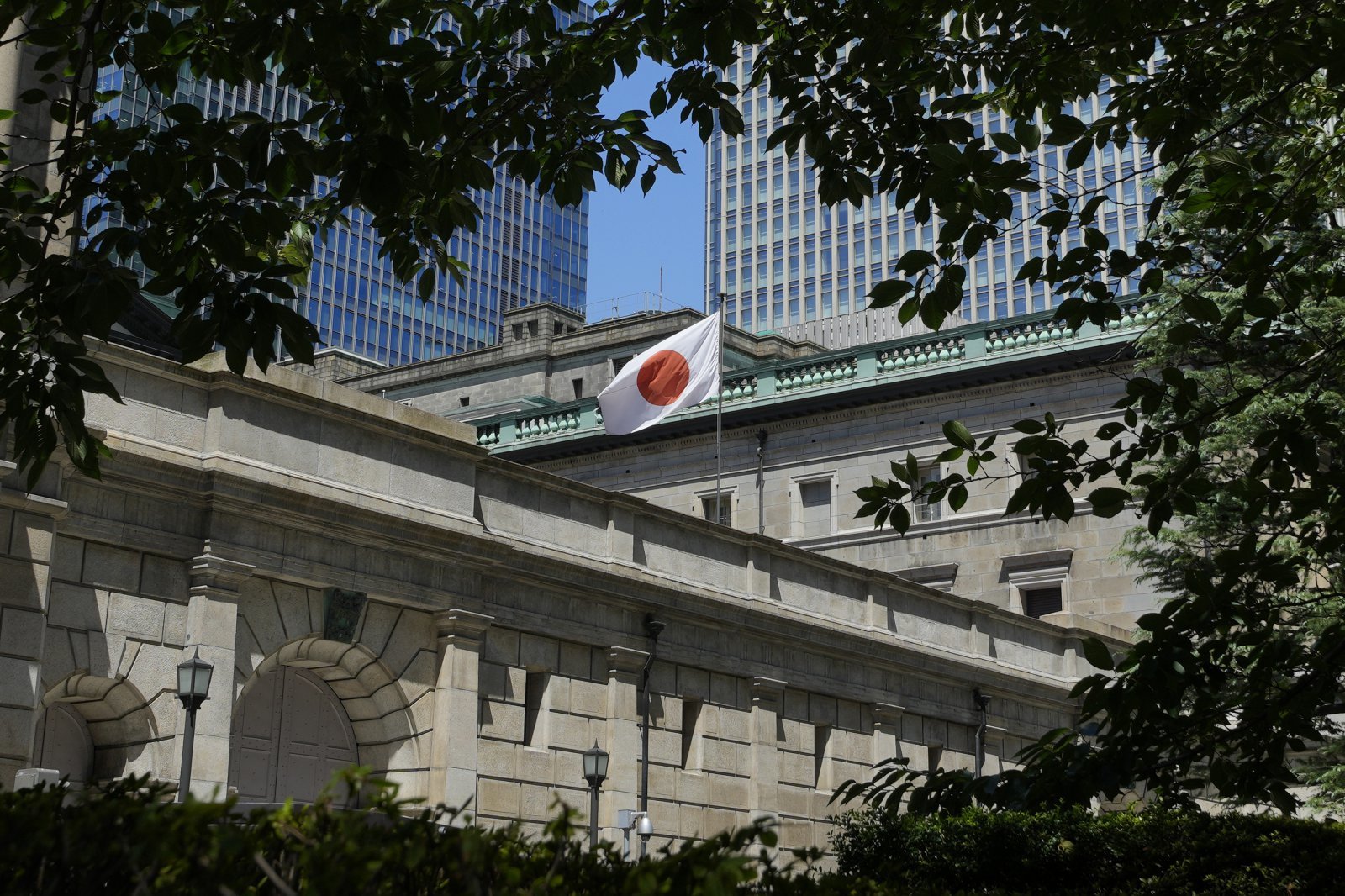
Bank of Japan raises key interest rate to 1.0%, highest in 31 years
Translated from Korean, summarized and contextualized by DistantNews.
At a glance
News
Sources not specified
New plan
- The Bank of Japan raised its key interest rate by 0.25 percentage points to 1.0%, marking the first increase in six months.
- This move brings the benchmark rate to its highest level in approximately 31 years, since 1995.
- The decision aims to curb inflation risks from rising oil prices due to Middle East tensions, while the bank also plans to halt bond purchases starting next April.
The Bank of Japan (BOJ) has increased its key interest rate by 0.25 percentage points to 1.0%, a move not seen in six months. This decision, made during a two-day policy meeting, brings the benchmark rate to its highest point in roughly 31 years, dating back to 1995.
This marks a significant shift after the central bank had maintained the rate at 0.75% since December. The Nikkei newspaper interpreted the move as a measure to mitigate inflation risks, particularly those stemming from rising oil prices amid Middle East tensions. In a related decision, the BOJ will also cease its bond purchase reduction measures starting in April next year, aiming to maintain stability in the bond market.
Notably, the policy meeting proceeded without the participation of BOJ Governor Kazuo Ueda, who is currently hospitalized for treatment of a cystic infection. Senior Deputy Governor Shinichi Uchida is scheduled to explain the rationale behind the decision and outline the future direction of monetary policy at a press conference.
DistantNews Editorial
Originally published by Dong-A Ilbo in Korean. Translated, summarized, and contextualized by our editorial team with added local perspective. Read our editorial standards.
More Stories


From Our Blog

What Gets Lost (and Found) When News Is Translated

The Critical Role of Diaspora Media in Global News

What Travellers Should Know About Countries with Restricted Press

A Digital Nomad's Guide to Following Local News

How the Same Story Looks Different in Different Countries
