

Banking inertia
Summarized and contextualized by DistantNews.
At a glance
Analysis
Sources not specified
Context piece
- Prime Minister Shehbaz Sharif has again urged Pakistani banks to increase lending to small and medium-sized enterprises (SMEs).
- This call echoes similar appeals made by previous governments over the past three decades, yet significant change remains elusive.
- Despite ambitious targets, banks' reluctance, often citing risk, creates a chronic financing gap for SMEs, which are vital to Pakistan's economy.
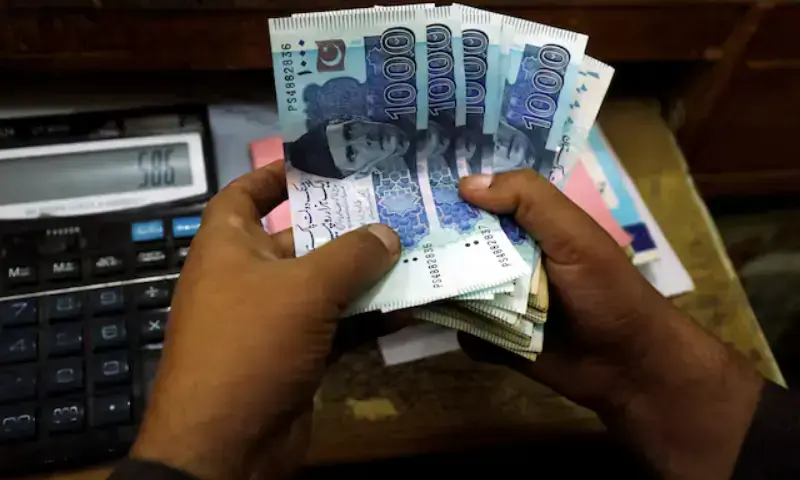
Prime Minister Shehbaz Sharif's latest directive for banks to expand lending to small and medium-sized enterprises (SMEs) is a familiar refrain in Pakistan's economic history. For decades, successive governments have urged financial institutions to bolster SME financing, recognizing their crucial role in job creation and exports. Yet, despite repeated calls and the announcement of ambitious targets, the needle has barely moved.
The current government's "Access to Finance Plan" initiative aims to raise the share of SME lending in private sector credit from 7% to 10% within two years and increase the number of SME borrowers from 310,000 to 750,000. These are laudable goals, considering SMEs contribute nearly 40% of Pakistan's GDP, a quarter of its exports, and around 80% of non-agricultural employment. However, the central question remains: are banks sufficiently incentivized to meet these targets?
Banks frequently point to risk as the primary deterrent to increased SME lending, and their concerns are not without merit. Pakistan's estimated 5 million SMEs face significant challenges, and a large majority, over 4.7 million businesses, lack access to formal bank credit. This persistent financing gap underscores a fundamental inertia within the banking sector, where the perceived risks often outweigh the potential rewards, leaving a vast segment of the economy underserved.
DistantNews Editorial
Originally published by Dawn. Summarized and contextualized by our editorial team with added local perspective. Read our editorial standards.
More Stories
From Our Blog

What Gets Lost (and Found) When News Is Translated

The Critical Role of Diaspora Media in Global News

What Travellers Should Know About Countries with Restricted Press

A Digital Nomad's Guide to Following Local News

How the Same Story Looks Different in Different Countries
