


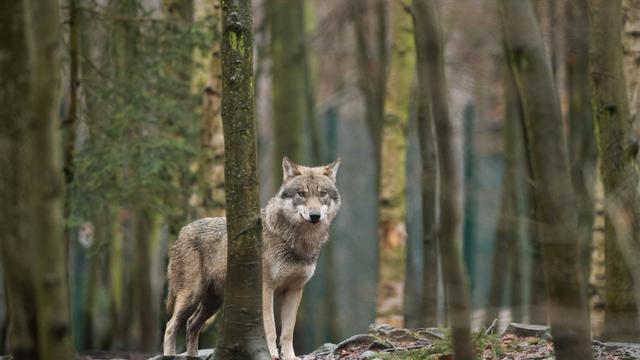
Bavarian herders start season with mixed feelings amid wolf fears
Translated from German, summarized and contextualized by DistantNews.
At a glance
News
From a news agency
Context piece
- Bavarian herders begin the mountain summer season with concerns about wolf attacks on livestock.
- Increased wolf sightings and livestock kills have prompted limited hunting permits in some areas.
- Herders warn that wolf predation could lead to fewer animals on alpine pastures, impacting biodiversity and the cultural landscape.
Bavarian herders are preparing for the summer grazing season on alpine pastures, but a growing fear of wolf attacks casts a shadow over their preparations. Christian Brutscher, chairman of the Allgäu Alpine Economy Association, expressed concern over rising wolf sightings and livestock kills, stating that "we fear wolf predation on grazing areas."
We fear wolf predation on grazing areas.
The number of wolves in the region has increased, with recent sightings even in the town of Füssen. Local authorities have issued limited permits to cull a wolf responsible for at least three sheep attacks. Brutscher warns that attacks on cattle on unprotected mountain pastures could be devastating for the alpine economy. "If it comes to that, it is fatal for the alpine economy," he said, noting that over 700 alpine pastures in his jurisdiction, which support thousands of young cattle, dairy cows, horses, pigs, sheep, and goats, could be affected.
If it comes to that, it is fatal for the alpine economy.
Brigitte Meier, managing director of the Upper Bavaria Alpine Economy Association, echoed these concerns, highlighting the potential loss of biodiversity. "Many protected plants have retreated to the mountain pastures. They need open spaces to survive. We also bear responsibility for them," she stated. Meier also pointed to the cultural and tourist appeal of the alpine landscape, questioning how attractive the mountains would be without their traditional pastures. Both Brutscher and Meier advocate for the legally sound culling of wolves, not only for the safety of livestock but also for human safety, especially for children working on the alpine pastures.
Many protected plants have retreated to the mountain pastures. They need open spaces to survive. We also bear responsibility for them.
DistantNews Editorial
Originally published by Die Zeit in German. Translated, summarized, and contextualized by our editorial team with added local perspective. Read our editorial standards.
More Stories

From Our Blog

What Gets Lost (and Found) When News Is Translated

How the Same Story Looks Different in Different Countries

The Critical Role of Diaspora Media in Global News

What Travellers Should Know About Countries with Restricted Press

A Digital Nomad's Guide to Following Local News
