


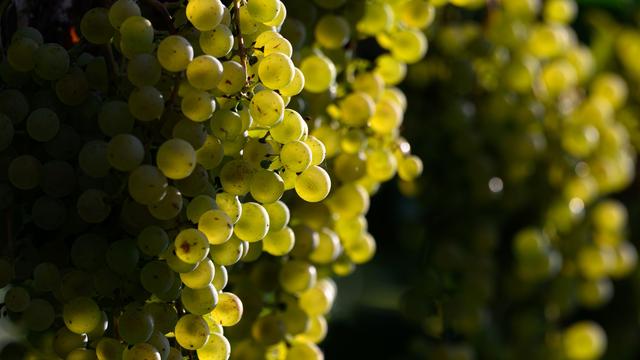
Bavarian winemakers produce 23% more wine in 2025 amid industry challenges
Translated from German, summarized and contextualized by DistantNews.
At a glance
News
Documents & data
Outcome reported
- Bavarian winemakers produced 380,771 hectoliters of wine in 2025, a 23% increase from the previous year.
- Despite challenges like drought and frost, production exceeded the 2020-2024 average, though it did not reach the 400,000-hectoliter mark.
- The German wine industry faces rising costs and declining per capita consumption, with consumers drinking 0.7 liters less wine annually.
Bavarian winemakers saw a significant boost in production in 2025, yielding 380,771 hectoliters of wine, including grape must. This represents a substantial increase of approximately 23 percent, or 70,313 hectoliters, compared to the previous year. The majority of Bavaria's wine production is concentrated in the Franconia region, with smaller areas near Lake Constance and Regensburg also contributing.
Despite facing adverse conditions such as drought and frost, the winemakers managed to surpass their average production levels from 2020 to 2024. However, the year's output fell short of a peak performance, failing to reach the 400,000-hectoliter mark that has often been exceeded in the past decade. Nearly 56 percent of the wine produced qualifies as "Prädikatswein," a designation for high-quality German wines.
The overall outlook for the German wine industry, however, remains challenging. The German Winegrowers' Association reported a 30 to 40 percent increase in costs in the fall. Furthermore, data from the German Wine Institute indicates a decline in per capita consumption, with German consumers drinking an average of 21.5 liters of wine per person in the last fiscal year, a decrease of 0.7 liters compared to 2023/24.
DistantNews Editorial
Originally published by Die Zeit in German. Translated, summarized, and contextualized by our editorial team with added local perspective. Read our editorial standards.
More Stories


From Our Blog

What Gets Lost (and Found) When News Is Translated

How the Same Story Looks Different in Different Countries

The Critical Role of Diaspora Media in Global News

What Travellers Should Know About Countries with Restricted Press

A Digital Nomad's Guide to Following Local News
