



Bayern Star Musiala Reveals 'Absences,' a Form of Epilepsy
Translated from German, summarized and contextualized by DistantNews.
At a glance
News
From a news agency
Context piece
- Bayern Munich star Jamal Musiala is experiencing 'absences,' a form of epilepsy.
- These episodes, described as brief 'blackouts,' have occurred twice recently during matches.
- Absences are a type of epileptic seizure, often mistaken for daydreaming, particularly in children.
Bayern Munich and German national team player Jamal Musiala is currently dealing with 'absences,' a medical condition he has identified as a form of epilepsy. The term, originating from French, translates to 'absence' or 'missing,' accurately describing the brief moments the 23-year-old footballer appears to lose consciousness on the field.
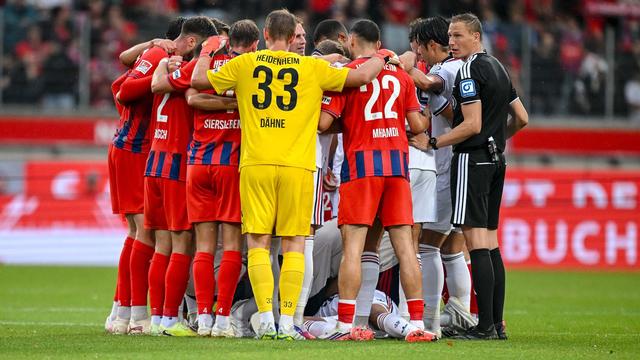
Musiala experienced these sudden 'blackouts' twice within a three-day period during recent matches against RB Leipzig and 1. FC Heidenheim. He described these episodes as complete lapses in awareness that lasted for several seconds. Musiala stated that these absences have become "part of my everyday life currently."
According to the American Epilepsy Foundation, absences are a type of epileptic seizure that most commonly affects children aged 4 to 14, but can also occur in adolescents and adults. These brief seizures, typically lasting only a few seconds, are often misidentified as daydreaming or inattentiveness by observers. During an absence, a person's awareness and responsiveness are temporarily impaired; they may not react to their surroundings or external stimuli, and their eyes might roll upward.
Following a typical absence, individuals can usually resume their previous activities shortly after, often with only a minor gap in memory. The article also notes the existence of atypical absences, which may be longer, have less abrupt onsets and endings, and can sometimes involve automatic movements of the hands or mouth.
DistantNews Editorial
Originally published by Die Zeit in German. Translated, summarized, and contextualized by our editorial team with added local perspective. Read our editorial standards.
More Stories


From Our Blog

What Gets Lost (and Found) When News Is Translated

How the Same Story Looks Different in Different Countries

The Critical Role of Diaspora Media in Global News

What Travellers Should Know About Countries with Restricted Press

A Digital Nomad's Guide to Following Local News
