

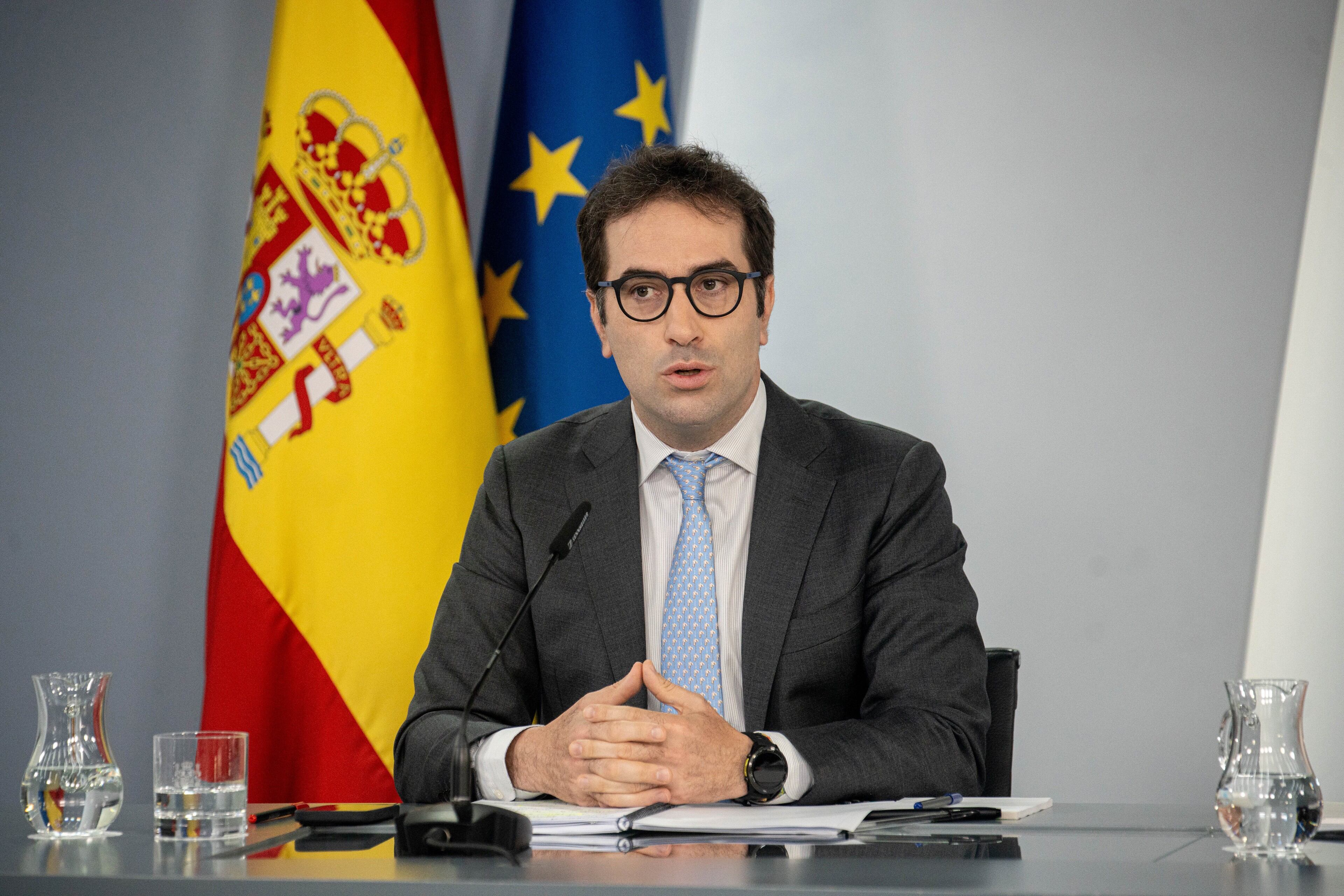

Beneficiaries of the 'grandchildren's law': 'Nationality is a way of understanding origin'
Translated from Spanish, summarized and contextualized by DistantNews.
At a glance
News
Named sources
Context piece
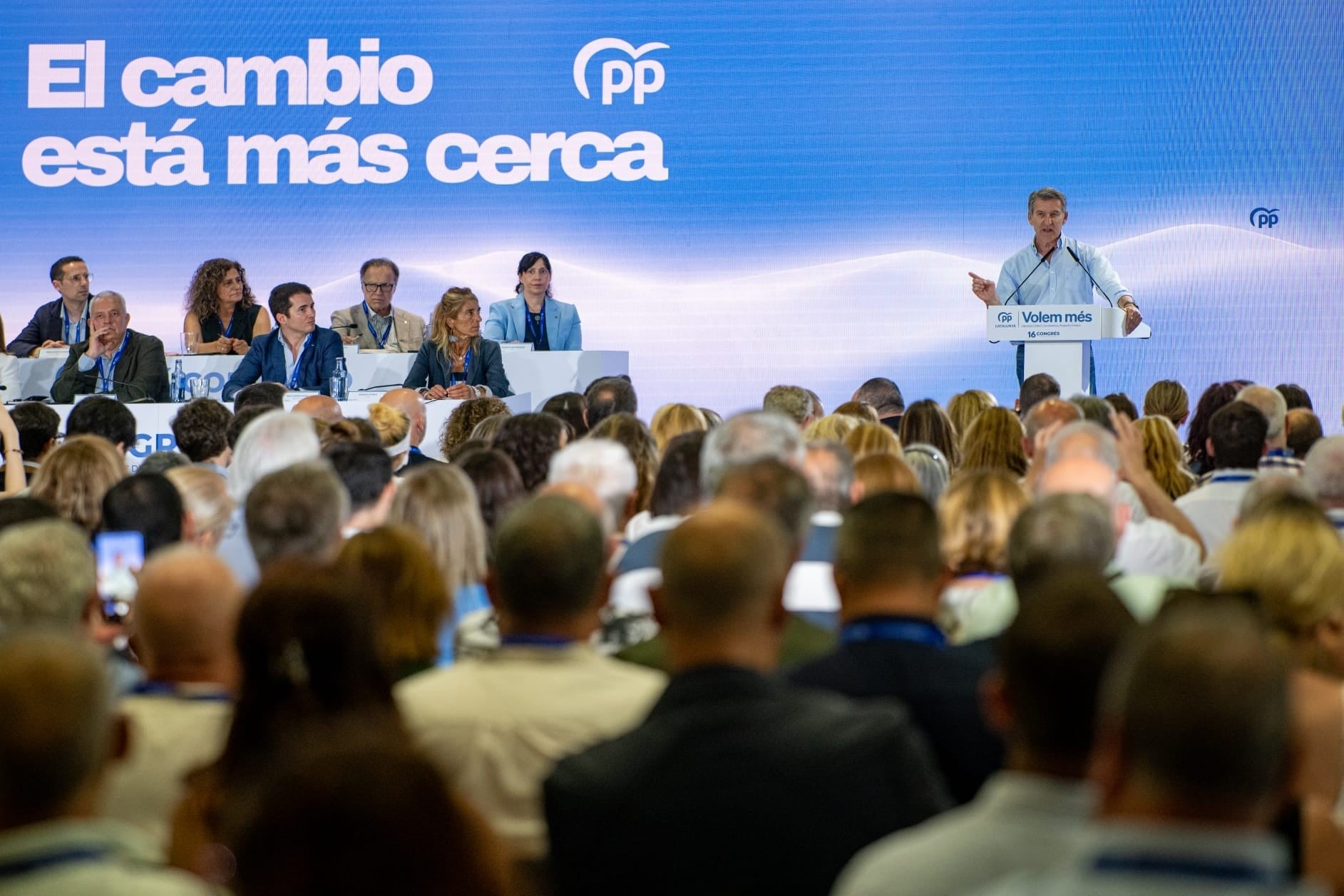
- Spain's opposition leader Alberto Núñez Feijóo criticizes the "grandchildren's law," which grants nationality to descendants of Spanish emigrants, calling it "electoral engineering."
- Approximately 2.45 million descendants have applied for nationality under the law, approved in June 2022, which allows them to vote.
- The article features testimonials from six individuals in Mexico, Cuba, Argentina, and Austria who have successfully obtained Spanish nationality through the law, highlighting its personal significance.
Spain's "grandchildren's law," officially the Law of Democratic Memory, grants nationality to descendants of Spaniards who fled the country during the Civil War and subsequent dictatorship. The law, approved in June 2022, has drawn sharp criticism from opposition leader Alberto Núñez Feijóo of the conservative People's Party.
It is electoral engineering, the interest of obtaining new voters.
Feijóo dismisses the law as "electoral engineering," accusing Socialist President Pedro Sánchez of using it to "manufacture new voters." He argues that the law, which had an application deadline of October 21, 2025, is a ploy to secure votes, especially as Sánchez's "accounts don't add up" with current voters. This criticism highlights a political divide over the law's intent and potential impact on the electoral census.
What is behind it is electoral engineering, the interest of obtaining new voters through nationality and passport.
Despite the political controversy, the law has resonated deeply with many descendants seeking to reconnect with their heritage. A total of 2.45 million individuals have applied for nationality. The article includes personal stories from six beneficiaries in Argentina, Cuba, Mexico, and Austria. Laura Gabián, a 34-year-old graphic designer from Argentina, shares her journey to reclaiming her Galician roots after her grandmother's passing. She received her nationality in July 2024, expressing joy at "recovering part of my identity" and feeling that descendants are an integral part of Spain's history, especially for those whose families were forced to emigrate.
As with the current voters, the accounts do not add up [for Sánchez], he will see if by manufacturing voters the accounts add up.
DistantNews Editorial
Originally published by El País in Spanish. Translated, summarized, and contextualized by our editorial team with added local perspective. Read our editorial standards.
More Stories

From Our Blog

What Gets Lost (and Found) When News Is Translated

The Critical Role of Diaspora Media in Global News

What Travellers Should Know About Countries with Restricted Press

A Digital Nomad's Guide to Following Local News

How the Same Story Looks Different in Different Countries
