


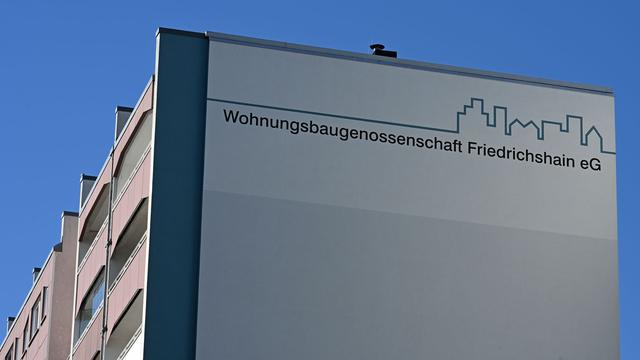
Berlin Housing Cooperatives Under Pressure Amid Rising Costs and Land Scarcity
Translated from German, summarized and contextualized by DistantNews.
At a glance
News
Named sources
Context piece
- Berlin's housing market faces rising rents and a shortage, with average rents reaching 15.80 euros per square meter.
- Housing cooperatives offer significantly lower rents, averaging 6.29 euros per square meter, but are facing increased costs and land scarcity.
- Cooperatives, managing nearly 11% of Berlin's rental housing, are urging local politicians to address their challenges to maintain affordable housing.
Berlin's housing market is under pressure from continuously rising rents and a persistent shortage, with average advertised rents climbing approximately 75% over the past decade to 15.80 euros per square meter, according to a German Trade Union Confederation study. The Association of Berlin-Brandenburg Housing Companies (BBU) reported even higher average advertised rents of 18.76 euros per square meter last year.
Residents in Berlin's over 190,000 cooperative apartments have largely been shielded from these increases. Average existing rents in cooperatives stood at 6.29 euros per square meter last year, about 18.4% below the city's average rent index. The gap is even wider for new rentals. However, these cooperatives are now grappling with rising construction costs, high interest rates, and a scarcity of available land.
Industry representatives warn that these challenges threaten the role of cooperatives in Berlin's rental market. They have presented a position paper to local politicians, including Governing Mayor Kai Wegner and Senators Stefan Evers and Christian Gaebler, during a tour of eastern Berlin. Cooperatives manage nearly 11% of the city's rental housing stock, with a strong presence in eastern districts like Marzahn-Hellersdorf, where they own more than a quarter of rental apartments.
Historically significant, especially in the former East Germany, cooperatives also boast long histories, some dating back to the early 20th century. Beyond providing affordable housing, they aim to foster social cohesion and community engagement within neighborhoods. Despite their importance, the supply of cooperative housing has not kept pace with demand for some time.
DistantNews Editorial
Originally published by Die Zeit in German. Translated, summarized, and contextualized by our editorial team with added local perspective. Read our editorial standards.
More Stories



From Our Blog

What Gets Lost (and Found) When News Is Translated

How the Same Story Looks Different in Different Countries

The Critical Role of Diaspora Media in Global News

What Travellers Should Know About Countries with Restricted Press

A Digital Nomad's Guide to Following Local News
