


Beyond the Jinx: Oyebanji and Reinvention of Ekiti’s Political Order
Summarized and contextualized by DistantNews.
At a glance
In-depth
Sources not specified
Outcome reported
- Governor Abiodun Oyebanji of Ekiti State, Nigeria, has achieved re-election, a first since the state's creation.
- His victory breaks a nearly three-decade pattern of single-term governors facing disruption.
- Oyebanji's success is attributed to a political strategy combining governance performance with a broad coalition of elite support.
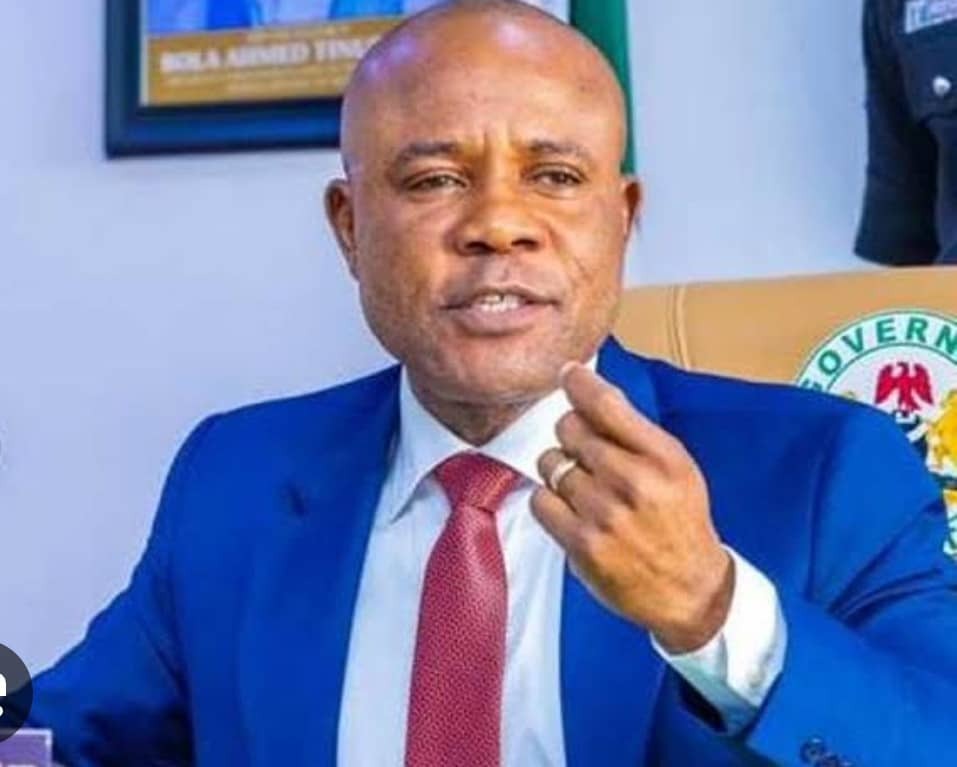
Governor Abiodun Oyebanji has made history in Ekiti State, Nigeria, by becoming the first governor to secure re-election without interruption since the state's inception. This achievement shatters a nearly 30-year political pattern where governors typically served only a single term, often falling victim to electoral defeat, political shifts, or judicial challenges.
Ekiti State's political landscape had long been characterized by a cycle of disruption, earning it a reputation as a place where incumbency offered little security. Governors like Otunba Niyi Adebayo, Ayodele Fayose, Segun Oni, and Kayode Fayemi experienced the state's turbulent electoral history, marked by contested tenures and frequent power reversals. This volatility led many observers to assume Oyebanji's governorship would eventually conform to the established pattern, even after his initial emergence in 2022.
However, Oyebanji's re-election, secured under the All Progressives Congress (APC) banner, signals a significant shift. His victory is credited to a carefully orchestrated political strategy that blended effective governance with an unusually wide consensus among political elites. Recognizing that Ekiti's electoral volatility stemmed from fractured elite alignments and a weak consensus around incumbents, Oyebanji opted for consolidation rather than confrontation.
Instead of dismantling existing political networks, Oyebanji worked to integrate them, fostering what is now described as one of the most inclusive coalitions in recent Ekiti history. Remarkably, former rivals, including Niyi Adebayo, Ayodele Fayose, Segun Oni, and Kayode Fayemi, despite their differing ideologies and party affiliations, united behind Oyebanji's administration. This rare alignment of past leaders provided a crucial shield of stability, underscoring a shared commitment to continuity and progress for the state.
DistantNews Editorial
Originally published by ThisDay. Summarized and contextualized by our editorial team with added local perspective. Read our editorial standards.
More Stories


From Our Blog

How the Same Story Looks Different in Different Countries

What Gets Lost (and Found) When News Is Translated

The Critical Role of Diaspora Media in Global News

What Travellers Should Know About Countries with Restricted Press

A Digital Nomad's Guide to Following Local News
