

Beyond Trump's promise: Why CAATSA is more than an S-400 dispute
Summarized and contextualized by DistantNews.
At a glance
Analysis
Sources not specified
Context piece
- The Countering America’s Adversaries Through Sanctions Act (CAATSA) was signed in 2017, targeting Russia, Iran, and North Korea.
- Turkey was sanctioned under CAATSA in December 2020 for acquiring Russia's S-400 air defense system, becoming the first NATO ally to face such measures.
- The dispute highlighted a crisis of confidence between Turkey and the U.S., questioning alliance solidarity and NATO's collective security.
The imposition of sanctions on Turkey under the Countering America’s Adversaries Through Sanctions Act (CAATSA) in December 2020 marked a significant rupture in U.S.-Turkey relations. Signed initially in 2017 by President Donald Trump, CAATSA expanded U.S. sanctions against adversaries like Russia, Iran, and North Korea. However, the sanctions against Turkey, stemming from its acquisition of the Russian-made S-400 air and missile defense system, made it the first and only NATO ally to be sanctioned under the act.
Türkiye consequently became the first and, to date, the only NATO ally to be sanctioned under CAATSA.
This development triggered more than just a bilateral crisis; it cast a shadow over the fundamental principles of alliance solidarity and the credibility of NATO's collective security architecture. While Turkey had faced previous U.S. sanctions related to defense cooperation, the CAATSA case was distinct because it involved a fellow NATO member imposing measures due to defense ties with Russia.
This situation generated not only a profound crisis of confidence in bilateral relations but also a broader debate concerning the meaning of alliance solidarity and the credibility of NATO’s collective security architecture.
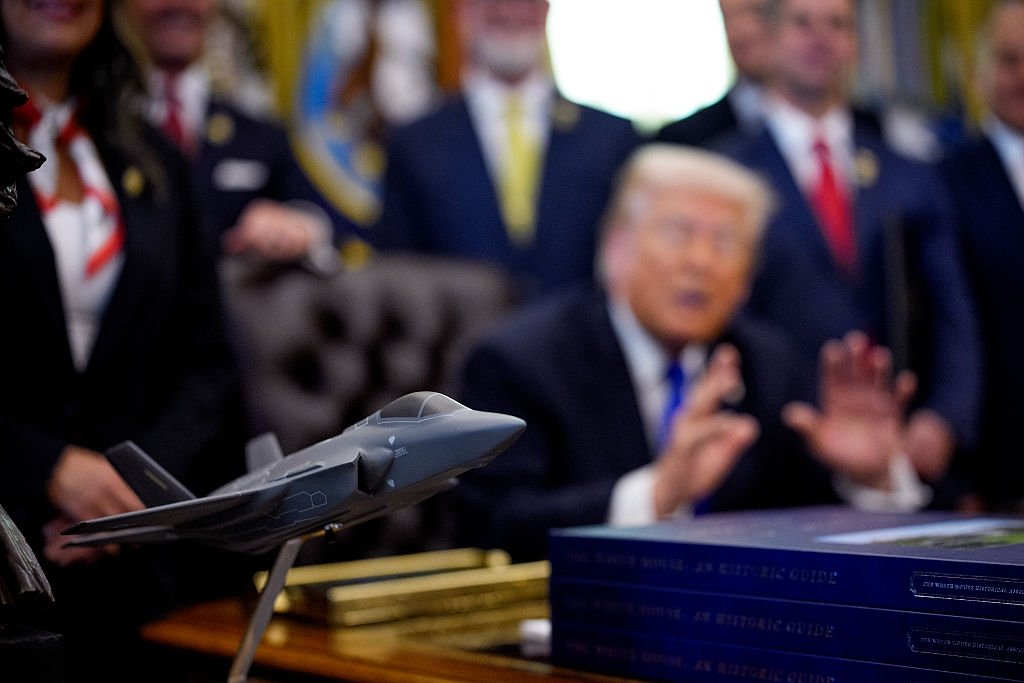
The core issue, however, was Turkey's long-standing deficiency in air and missile defense capabilities. Facing threats from the Syrian civil war, missile risks along its southern borders, and regional instability, Turkey asserted its sovereign right to protect its territory and pursue strategic autonomy in defense procurement. For the U.S., the sanctions aimed to curb Russia's defense industry, protect sensitive F-35 technology, and prevent the integration of Russian-origin platforms into NATO systems.
At the center of the issue was Türkiye’s long-standing deficiency in air and missile defense.
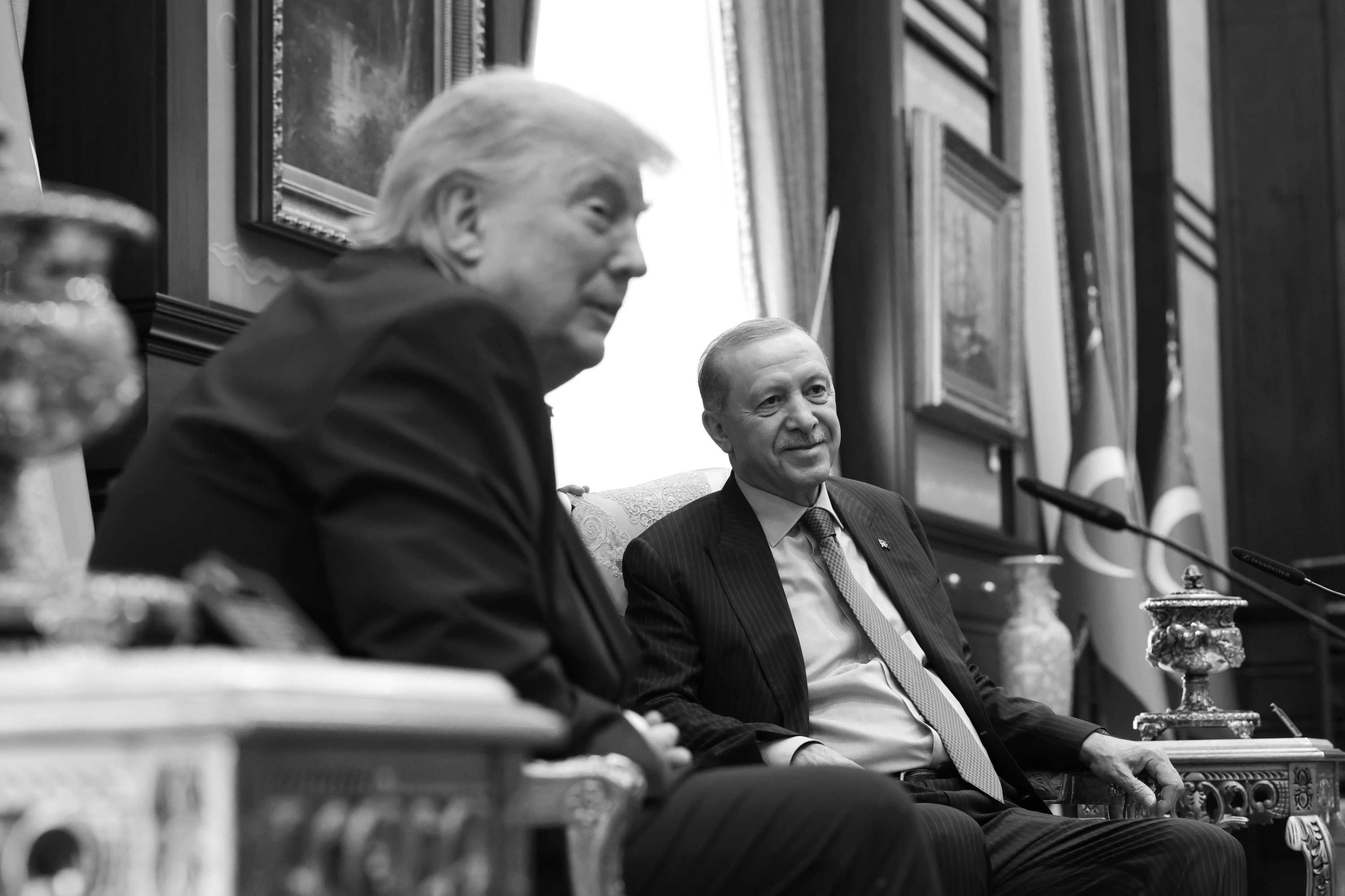
Imposing sanctions without offering a viable alternative to meet a NATO ally's legitimate security needs created a significant contradiction within the alliance framework. This situation raises questions about the future of Turkey-U.S. relations, particularly following Trump's statement at a NATO summit suggesting the U.S. was working to remove CAATSA sanctions and potentially resume F-35 aircraft sales to Turkey. However, the path to resolving these legal and institutional procedures remains complex.
Imposing sanctions without first providing a sustainable and mutually acceptable alternative to meet a NATO ally’s legitimate security requirements created a serious contradiction in terms of alliance solidarity.
DistantNews Editorial
Originally published by Daily Sabah. Summarized and contextualized by our editorial team with added local perspective. Read our editorial standards.
More Stories
From Our Blog

What Gets Lost (and Found) When News Is Translated

The Critical Role of Diaspora Media in Global News

What Travellers Should Know About Countries with Restricted Press

A Digital Nomad's Guide to Following Local News

How the Same Story Looks Different in Different Countries
