

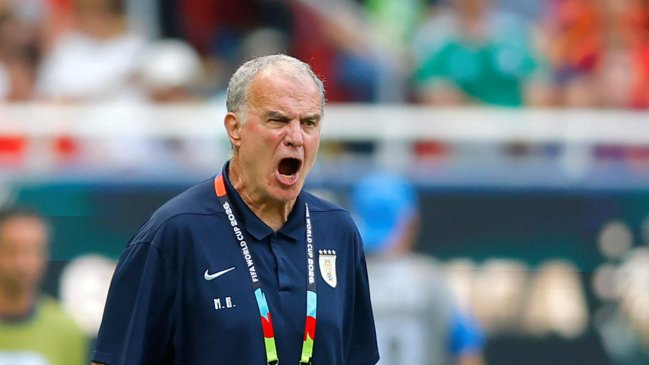
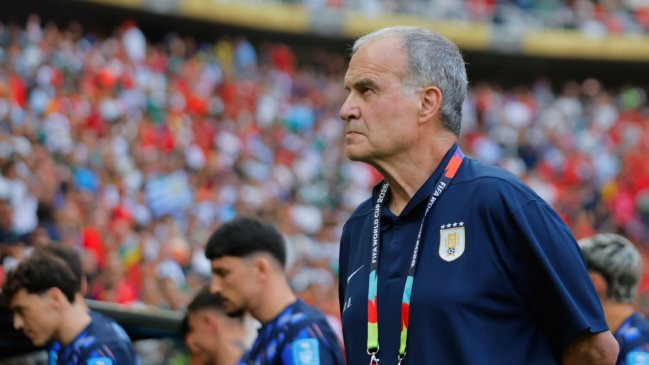
Bielsa calls Uruguay World Cup exit a 'disappointment,' says he 'left nothing'
Translated from Spanish, summarized and contextualized by DistantNews.
At a glance
News
Sources not specified
Outcome reported
- Marcelo Bielsa expressed deep disappointment with his tenure as Uruguay's national football coach following their 2026 World Cup elimination.
- He stated that he
Marcelo Bielsa, the Argentine coach, offered a starkly self-critical assessment of his time leading Uruguay's national football team. Following their elimination from the 2026 World Cup after a loss to Spain in Guadalajara, Bielsa declared his tenure a "disappointment" and admitted he "left nothing" for Uruguayan football.
I did not manage, despite the work and effort, the dedication, to make the group of players available to me into a force that did not have to explain why what happened, happened.
"I did not manage, despite the work and effort, the dedication, to make the group of players available to me into a force that did not have to explain why what happened, happened," Bielsa told reporters at a press conference. He lamented that "if you want explanations, of seven points we deserved to win, we obtained two."
If you want explanations, of seven points we deserved to win, we obtained two.
When pressed by journalists, Bielsa acknowledged the difficulty of his position. "Imagine, how can I, from my position, responsible for this passage of Uruguay through the World Cup," he said. "No one is willing to listen to any explanation, and it is natural that it is so."
Imagine, how can I, from my position, responsible for this passage of Uruguay through the World Cup. No one is willing to listen to any explanation, and it is natural that it is so.
Bielsa accepted full responsibility for the team's performance, stating, "All the disappointment that you, journalists and fans of Uruguayan football, legitimately want to direct at the person responsible, which is me, I have to accept it, because it is appropriate."
All the disappointment that you, journalists and fans of Uruguayan football, legitimately want to direct at the person responsible, which is me, I have to accept it, because it is appropriate.
DistantNews Editorial
Originally published by Cooperativa in Spanish. Translated, summarized, and contextualized by our editorial team with added local perspective. Read our editorial standards.
More Stories
From Our Blog

What Gets Lost (and Found) When News Is Translated

The Critical Role of Diaspora Media in Global News

What Travellers Should Know About Countries with Restricted Press

A Digital Nomad's Guide to Following Local News

How the Same Story Looks Different in Different Countries
